

Why Is Flexibility Important in a Welding Machine Cable
2026-01-12
When selecting a Welding Machine Cable, professionals often prioritize amperage rating and durability. However, flexibility is a critical yet sometimes overlooked factor that directly impacts performance, safety, and cost-efficiency. A highly flexible cable, like those engineered by Yilan, is not merely a convenience; it is a fundamental component for achieving high-quality welds and ensuring operator well-being. This blog explores the key reasons why cable flexibility should be a top consideration in your welding setup.
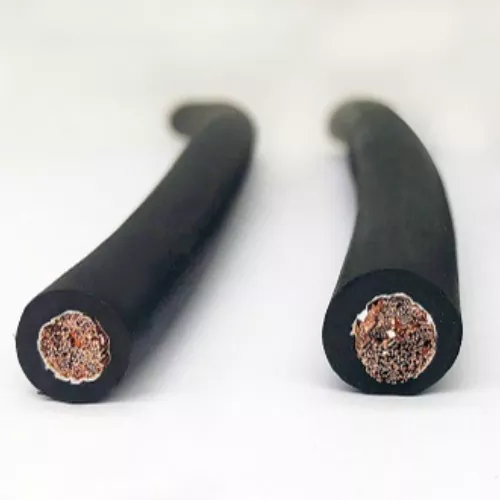
The Critical Benefits of a Flexible Welding Cable
A rigid cable can hinder your work and create unnecessary risks. Here’s why flexibility matters:
-
Enhanced Maneuverability: Welding often requires precise torch movement in tight or awkward spaces. A flexible Welding Machine Cable allows smooth, unrestricted movement, leading to cleaner, more consistent weld beads.
-
Reduced Operator Fatigue: Stiff cables resist movement, forcing the welder to exert more energy to drag and position the cable throughout a work shift. A flexible cable minimizes this strain, boosting productivity and comfort.
-
Improved Safety and Longevity: A cable that bends easily is less prone to kinking and internal damage. Kinks can cause hot spots, insulation breakdown, and even electrical failure. Flexibility ensures better durability and reduces tripping hazards on the shop floor.
-
Easier Storage and Handling: Flexible cables coil neatly without springing back, making transport and storage simpler and helping to maintain a tidy, safe work environment.
Yilan's Commitment to Engineered Flexibility
At Yilan, we don’t achieve flexibility by compromising strength. Our cables are a result of precise engineering, featuring:
-
High-strand count copper conductors for optimal current flow and bendability.
-
Specialized rubber compounds that remain pliable in extreme cold and resist degradation from heat, oil, and abrasion.
The table below compares the core advantages of a standard cable versus a Yilan flexible solution:
| Feature | Standard Stiff Cable | Yilan Flexible Welding Cable |
|---|---|---|
| Maneuverability | Limited, restrictive | Excellent, smooth movement |
| Operator Fatigue | High, increases strain | Significantly reduced |
| Kink & Damage Risk | Higher | Much lower |
| Cold Weather Performance | Can become very stiff | Remains pliable |
| Long-Term Value | Higher replacement cost | Greater durability, lower TCO |
Welding Machine Cable FAQ
What makes a welding cable flexible
Flexibility is primarily determined by the number of fine copper strands within the conductor. A higher strand count, often seen in premium cables from brands like Yilan, allows the cable to bend more easily without breaking the internal wires. The insulation material also plays a key role.
Can a cable be too flexible
While extreme flexibility is beneficial for handling, the insulation must still provide robust protection against the jobsite hazards like sparks, abrasion, and chemicals. Yilan cables are designed to offer the perfect balance: exceptional flexibility without sacrificing the tough, protective jacket welders need.
How does flexibility affect electrical performance
A flexible cable with a high strand count typically maintains better contact and current flow, especially when moved frequently. A stiff, damaged, or kinked cable can create resistance points, leading to voltage drop, reduced welding performance, and potential overheating.
Choosing the right Welding Machine Cable is a decision that affects your weld quality, your body, and your wallet. Don’t let a stiff, cumbersome cable be the weak link in your operation. Experience the difference that purpose-engineered flexibility can make.
Contact us today to discuss your specific needs or to request a sample of our high-flexibility, durable Yilan welding cables. Let our expertise help you build a safer, more efficient, and more productive workspace.