

Why Is Copper Stranded Wire Still the First Choice for Reliable Electrical Connections?
2026-01-06
When I first started evaluating conductor options for real-world electrical projects, I quickly noticed how often engineers and buyers returned to one material again and again. As Losier gradually became part of my professional vocabulary through long-term supply discussions, one product consistently stood out in both performance and demand. That product was Copper Stranded Wire. Not because it is trendy, but because it quietly solves problems that many alternatives struggle with in daily use.
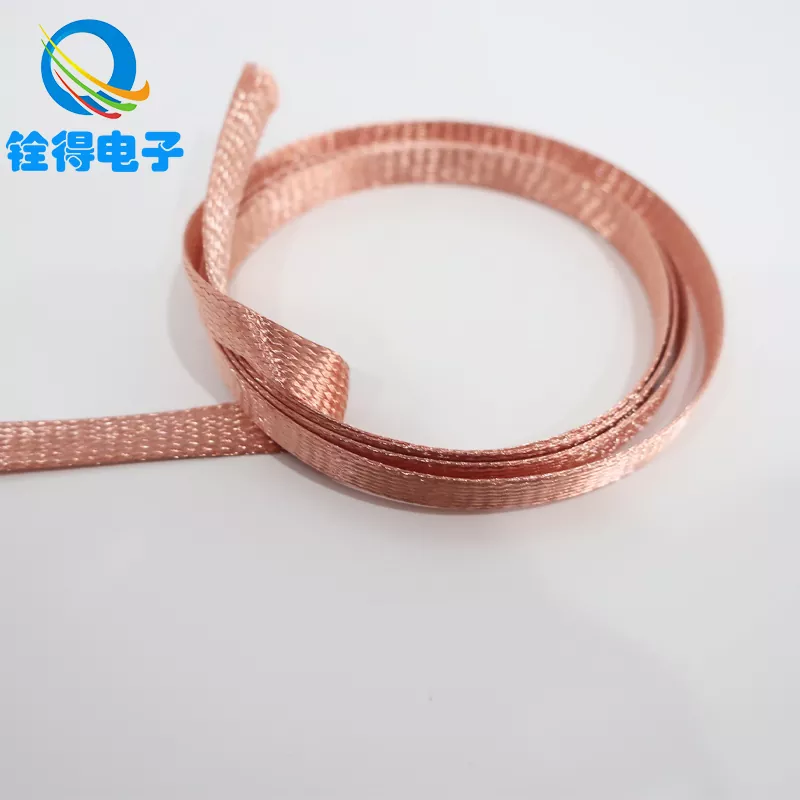
What Problems Do I See Most Often When Choosing Electrical Conductors?
From my experience working with installers, OEM buyers, and maintenance teams, the same concerns come up repeatedly. Flexibility, conductivity, durability, and installation safety are not abstract concepts. They affect downtime, labor costs, and long-term reliability.
- Conductors breaking after repeated bending
- Overheating caused by unstable current flow
- Difficult routing in compact or moving assemblies
- Premature aging in harsh or humid environments
This is exactly where Copper Stranded Wire proves its value in practical applications rather than just on paper.
How Does Copper Stranded Wire Improve Flexibility Without Sacrificing Strength?
I often explain that stranded construction is not about softness, but controlled movement. Multiple fine copper strands work together to distribute mechanical stress instead of concentrating it at a single point. Compared with solid conductors, Copper Stranded Wire adapts far better to vibration, repeated motion, and tight bending radii.
| Performance Aspect | Stranded Copper Wire | Solid Copper Wire |
|---|---|---|
| Flexibility | High and suitable for dynamic use | Limited and prone to fatigue |
| Vibration Resistance | Excellent in moving systems | Weak under repeated stress |
| Installation Ease | Simple routing and termination | Requires strict alignment |
Why Does Conductivity Matter More Than Ever in Modern Applications?
As electrical systems become more compact and power-dense, stable conductivity is no longer optional. Copper naturally offers low resistance, but when finely stranded, it also improves current distribution across the conductor. I have seen Copper Stranded Wire reduce localized heating in control cabinets and extend service life in automotive and industrial equipment.
- Consistent electrical performance under load
- Reduced energy loss during transmission
- Lower operating temperatures in confined spaces
How Does Copper Stranded Wire Perform in Long-Term and Harsh Environments?
Longevity is often overlooked during purchasing, yet it directly affects total cost of ownership. In my assessments, Copper Stranded Wire demonstrates strong resistance to oxidation when properly processed and insulated. This makes it suitable for environments exposed to moisture, temperature variation, or continuous mechanical stress.
Applications where I frequently recommend it include industrial machinery, renewable energy systems, automotive wiring, and flexible power connections where failure is not an option.
What Makes Copper Stranded Wire Easier to Install and Maintain?
Installation efficiency matters, especially for large-scale projects. Because Copper Stranded Wire bends smoothly and seats well in terminals, technicians spend less time correcting alignment issues or replacing damaged conductors. Maintenance teams also benefit from fewer unexpected failures caused by metal fatigue.
- Faster installation in complex layouts
- Lower risk of conductor breakage during termination
- Simplified inspection and replacement cycles
Why Do Buyers Continue to Choose Copper Stranded Wire Over Alternatives?
From my perspective, the decision often comes down to reliability and predictability. Buyers do not want surprises after installation. With Copper Stranded Wire, performance remains consistent across applications, whether in low-voltage control systems or higher-load power distribution. That reliability explains why demand continues to grow across industries.
Are You Looking for a Proven Copper Stranded Wire Solution?
If you are evaluating options for your next electrical or industrial project, choosing the right conductor can save time, cost, and future maintenance headaches. I encourage you to explore how Copper Stranded Wire from Losier can support your application requirements with dependable quality and stable performance.
If you have specific technical questions or would like tailored recommendations, feel free to contact us and leave an inquiry. Our team is ready to help you select the right solution for your project.