

Why Is Copper Braid Still the Most Trusted Choice for Reliable Electrical Connections?
2026-01-12
When I first started working closely with conductive connection solutions, I quickly realized that not all braiding products perform the same in real-world applications. As projects became more demanding, I naturally encountered Quande through industry discussions and hands-on use. Over time, Copper Braid emerged as a consistent answer to grounding, bonding, and flexible current transfer challenges, especially where reliability and durability truly matter.
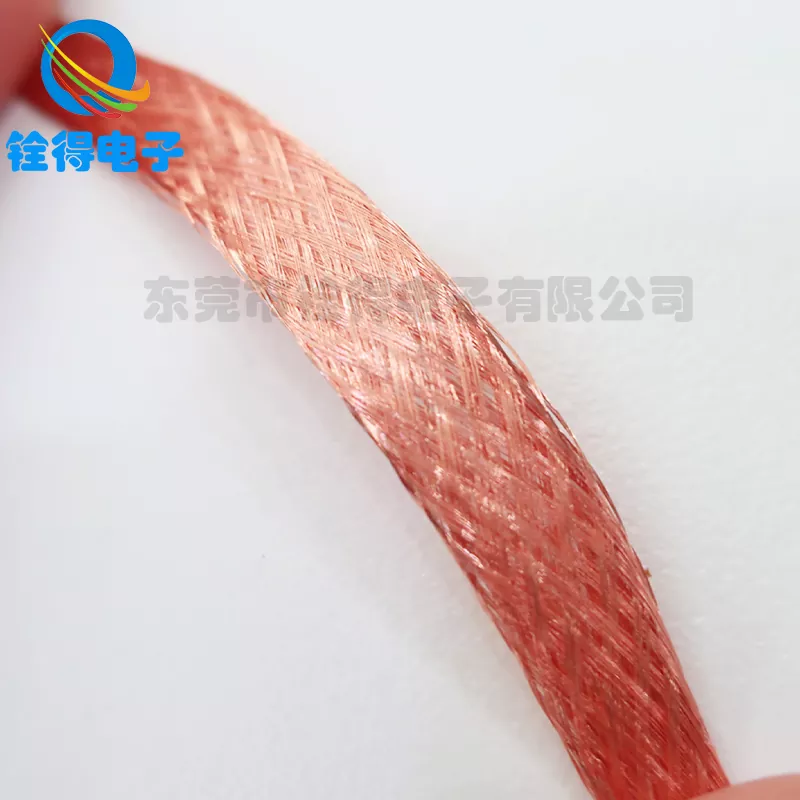
What Makes Copper Braid So Effective in Electrical and Industrial Systems?
In practical environments, flexibility alone is never enough. I have seen many rigid conductors fail under vibration, thermal expansion, or repeated movement. Copper Braid stands out because it combines mechanical flexibility with excellent conductivity, allowing systems to remain stable even under continuous stress.
- High conductivity supports efficient current flow
- Flexible structure absorbs vibration and movement
- Low impedance improves grounding performance
- Adaptable to tight or irregular installation spaces
How Does Copper Braid Solve Common Grounding and Bonding Pain Points?
One recurring issue I often encounter is inconsistent grounding caused by rigid cables or poorly matched connectors. Copper Braid minimizes this risk by maintaining stable contact across uneven surfaces and dynamic conditions. This is especially important in power distribution, renewable energy systems, and industrial equipment.
| Common Challenge | Impact on System | How Copper Braid Helps |
|---|---|---|
| Vibration and movement | Loose connections and failures | Flexible braid absorbs mechanical stress |
| Thermal expansion | Material fatigue | Braided structure adapts to temperature changes |
| Limited installation space | Complex routing | Flat and round braid options improve routing |
Why Do Engineers Prefer Copper Braid Over Solid Conductors?
From my experience, engineers value solutions that reduce long-term maintenance. Solid conductors may appear strong at first, but they are often vulnerable to cracking or loosening over time. Copper Braid distributes stress evenly across multiple strands, extending service life while maintaining electrical integrity.
- Reduced risk of metal fatigue
- Consistent performance under dynamic loads
- Improved safety in grounding applications
- Lower long-term maintenance costs
How Does Material Quality Influence Copper Braid Performance?
Material selection plays a critical role in performance. High-purity copper ensures stable conductivity, while precise braiding techniques determine flexibility and strength. In my projects, well-manufactured Copper Braid has proven essential for applications requiring dependable electrical continuity without compromise.
| Quality Factor | Why It Matters | Performance Benefit |
|---|---|---|
| Copper purity | Reduces electrical resistance | Stable and efficient current transfer |
| Braiding density | Affects flexibility and strength | Balanced mechanical and electrical performance |
| Manufacturing consistency | Ensures uniform structure | Reliable results across installations |
Where Can Copper Braid Deliver the Most Value?
I have seen Copper Braid deliver measurable value across multiple industries. Whether used for grounding, shielding, or bonding, its adaptability makes it suitable for both standard and highly specialized applications.
- Electrical grounding and earthing systems
- Power distribution and switchgear
- Renewable energy installations
- Industrial machinery and automation
- Railway and transportation systems
Is Copper Braid the Right Solution for Your Next Project?
If your project demands flexibility, durability, and dependable conductivity, Copper Braid is worth serious consideration. I have learned that choosing the right braided conductor early can prevent costly downtime and future system issues.
If you are exploring reliable solutions or need guidance for your specific application, now is the right time to take the next step. Please contact us to discuss your requirements, request technical details, or leave an inquiry. A well-chosen Copper Braid solution can make all the difference in long-term performance and safety.