

Why Does Copper Core Tinned Copper Core Cable Sun Matter for Reliable Solar Power Transmission?
2026-09-30
Solar power systems depend on reliable electrical connections to transfer energy from photovoltaic modules to inverters, batteries, and other electrical equipment. Among the many cable options available for PV applications, Copper Core Tinned Copper Core Cable Sun represents a cable concept focused on combining the electrical conductivity of copper with the environmental protection provided by tin plating. For outdoor solar installations, this construction can help address challenges such as moisture, humidity, oxidation, temperature changes, and long-term exposure to sunlight. For buyers, installers, and system integrators, selecting the appropriate conductor and cable construction is therefore an important part of achieving stable solar power transmission.
What Is Copper Core Tinned Copper Core Cable Sun?
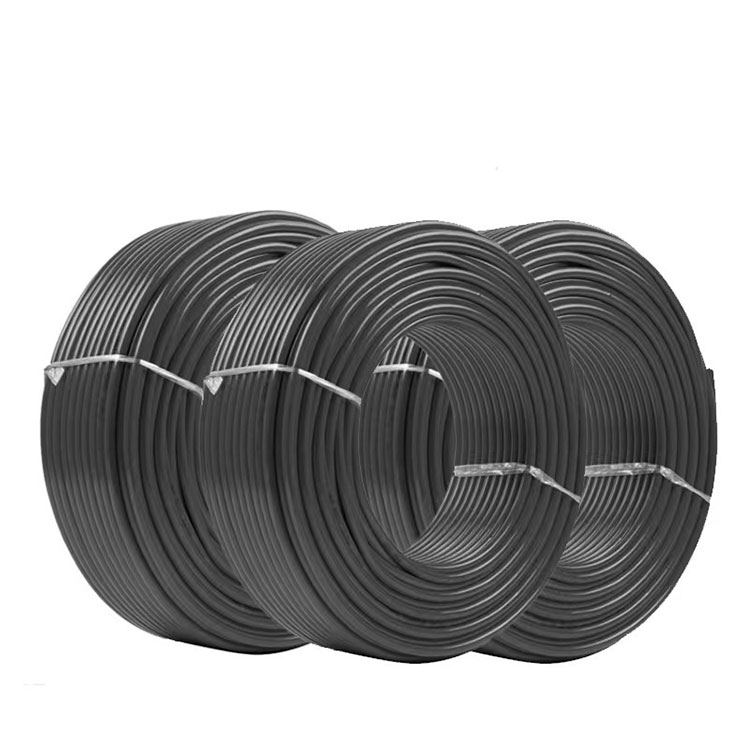
Copper Core Tinned Copper Core Cable Sun can be understood as a solar cable using a copper conductor with a protective tin coating. Copper is widely selected for electrical conductors because of its high conductivity and mechanical flexibility, while tin plating provides additional protection against oxidation and corrosion.
The combination is particularly relevant to photovoltaic systems because solar cables are commonly installed outdoors. Unlike indoor wiring, PV cables can remain exposed to sunlight, rain, humidity, dust, heat, and temperature fluctuations for many years.
The tin layer acts as a protective barrier around the copper strands. It does not replace the function of the insulation or outer sheath, but works together with the overall cable construction to improve conductor durability. Industry sources also identify tinned copper as a common conductor choice for solar applications where environmental resistance and long-term connection reliability are important.
Why Is Tinned Copper Important for Solar Cables?
A solar cable must maintain electrical performance while operating in a demanding outdoor environment. Bare copper offers excellent conductivity, but prolonged exposure to moisture and other environmental conditions can contribute to oxidation.
Tinning provides an additional protective surface. This is especially useful in locations with high humidity, coastal salt exposure, or frequent temperature changes. By protecting the copper strands, the tin coating can help maintain more stable electrical connections over the service life of the installation.
For solar project procurement, this means cable selection should not focus only on the initial price. Conductor material, insulation, temperature rating, UV resistance, cable size, connector compatibility, and installation conditions all contribute to long-term system performance.
Key Advantages at a Glance
-
High electrical conductivity: The copper core supports efficient power transmission.
-
Improved corrosion resistance: Tin protects copper strands against oxidation and environmental exposure.
-
Better outdoor durability: Suitable cable construction can support demanding PV environments.
-
Flexible installation: Flexible copper conductors are convenient for routing around PV modules and equipment.
-
Stable connections: A protected conductor can help reduce degradation at electrical terminations.
-
Long-term application value: Durable cable construction can help reduce maintenance and replacement requirements.
How Does Copper Core Tinned Copper Core Cable Sun Improve Solar Performance?
The role of a solar cable is more than simply carrying electricity. It forms an important connection between the photovoltaic modules and the rest of the power system.
When cable resistance is properly controlled, electrical energy can be transmitted efficiently. Cable size must therefore be selected according to current, cable length, installation conditions, and permissible voltage drop. At the same time, the cable must have insulation and jacket materials appropriate for outdoor use.
For example, commonly specified PV cable constructions can combine flexible tinned copper conductors with halogen-free cross-linked insulation and UV-resistant outer materials. EN 50618 products are an example of this type of construction, with product specifications commonly covering electrical ratings, temperature range, UV resistance, and mechanical requirements.
This demonstrates an important principle: the performance of a solar cable depends on the complete cable design rather than the conductor alone.
Copper Core vs. Tinned Copper Core for Solar Applications
The difference becomes easier to understand when the two conductor types are compared from a project perspective.
| Feature | Copper Core | Tinned Copper Core |
|---|---|---|
| Electrical conductivity | Excellent | Excellent, with a thin tin coating |
| Oxidation protection | Standard copper protection | Enhanced by tin coating |
| Humid environment | Requires suitable cable construction | Particularly suitable for demanding environments |
| Corrosion resistance | Good under appropriate conditions | Improved surface protection |
| Outdoor solar use | Widely applicable | Well suited to demanding PV applications |
| Maintenance consideration | Depends on environment and installation | Additional conductor protection can support long-term reliability |
| Typical consideration | Cost and conductivity | Durability and environmental resistance |
The comparison does not mean that every solar installation requires the same conductor. Project location, applicable standards, system voltage, cable size, installation method, connector requirements, and environmental conditions should all be evaluated before purchasing.
Where Can Copper Core Tinned Copper Core Cable Sun Be Used?
The application range of tinned copper solar cable extends beyond a single type of photovoltaic project.
Common applications include:
-
Rooftop Solar Systems
Cables installed on commercial or residential rooftops can experience continuous exposure to sunlight, rain, heat, and temperature changes. -
Commercial and Industrial PV Projects
Larger solar installations require reliable cable networks connecting multiple modules, combiner boxes, inverters, and other equipment. -
Utility-Scale Solar Farms
Long cable routes and large numbers of PV modules make cable quality an important consideration for installation and maintenance. -
Coastal Solar Installations
Salt and humidity can increase environmental challenges, making corrosion resistance an important consideration. -
Agricultural and Remote Solar Systems
Outdoor equipment may be exposed to changing weather conditions, dust, humidity, and temperature fluctuations. -
Battery and Energy Storage Connections
Depending on the system design and applicable specifications, appropriately rated solar or electrical cables may also be used in connections associated with energy storage systems.
What Should Buyers Check Before Ordering?
Choosing a solar cable based only on the words "copper" or "tinned copper" is not enough. Professional buyers should review the complete technical specification.
Important factors include:
-
Conductor material and flexibility
-
Cross-sectional area
-
Rated voltage
-
Operating temperature
-
UV and weather resistance
-
Insulation and sheath material
-
Flame-retardant requirements
-
Applicable certification or standards
-
Connector compatibility
-
Cable length and installation method
-
Project environment
-
Manufacturer quality control
For international solar projects, buyers should also confirm which standards and certifications are required in the target market. EN 50618, for example, specifies requirements for certain photovoltaic cables, including flexible tinned copper conductors in applicable cable constructions.
What Makes Ningbo Paidu Industrial Co., Ltd. a Practical Supply Partner?
For cable buyers, product consistency is just as important as the basic conductor material. Ningbo Paidu Industrial Co., Ltd. focuses on cable products designed for electrical and solar applications, providing solutions for customers who require dependable conductivity, environmental resistance, and stable cable construction.
For projects using Copper Core Tinned Copper Core Cable Sun, a suitable supplier should be able to support buyers with product specifications, cable sizes, insulation options, application information, and project-specific requirements.
A professional purchasing process should also consider whether the cable construction matches the actual installation environment. A cable intended for a rooftop solar project may have different requirements from one used in a coastal photovoltaic plant or an industrial energy system.
How Does Better Cable Selection Affect Solar Projects?
The effect of cable selection may not always be visible immediately after installation. However, cable performance becomes increasingly important as a photovoltaic system operates year after year.
A properly selected cable can contribute to:
-
More reliable electrical transmission
-
Better resistance to environmental exposure
-
More stable connections
-
Reduced risk of conductor degradation
-
Easier long-term maintenance
-
Better compatibility with the complete PV system
The objective is not simply to select the most expensive cable. Instead, buyers should select a cable whose conductor, insulation, protection, electrical rating, and construction match the actual application.
Conclusion
Copper Core Tinned Copper Core Cable Sun combines the conductive properties of copper with the additional surface protection of tin, making this type of conductor particularly relevant to outdoor photovoltaic applications. Its value is most apparent when solar cables must operate under moisture, humidity, sunlight, temperature variation, and other environmental stresses.
For solar installers, distributors, system integrators, and project buyers, the right cable should be selected according to the complete technical requirements rather than conductor material alone. With suitable specifications and professional manufacturing, tinned copper solar cable can become an important part of a reliable and durable PV electrical system.
Ningbo Paidu Industrial Co., Ltd. can provide professional cable solutions for customers looking for dependable solar and electrical cable products. If you are sourcing Copper Core Tinned Copper Core Cable Sun for a new photovoltaic project or need assistance with cable specifications, product selection, or customized requirements, contact us to discuss your application and sourcing needs.