

Why Does Choosing the Right PV Cable Matter More Than Most Solar Buyers Expect?
2026-03-10
When I began working with solar installation teams and EPC contractors, one issue repeatedly surfaced during project reviews. The cable infrastructure was often treated as a secondary component compared with panels or inverters. However, in practice, cabling failures can quietly undermine system performance for years. As solar projects scaled globally, I noticed that companies like Ningbo Paidu Industrial Co., Ltd. gradually introduced more specialized solutions such as PV Cable products designed specifically for photovoltaic environments. These cables address challenges that traditional wiring simply cannot withstand.
In this article, I want to share practical observations from the perspective of system reliability and long-term performance. By focusing on real installation problems, I will explain why selecting the correct PV Cable plays a decisive role in solar project durability, safety, and efficiency.
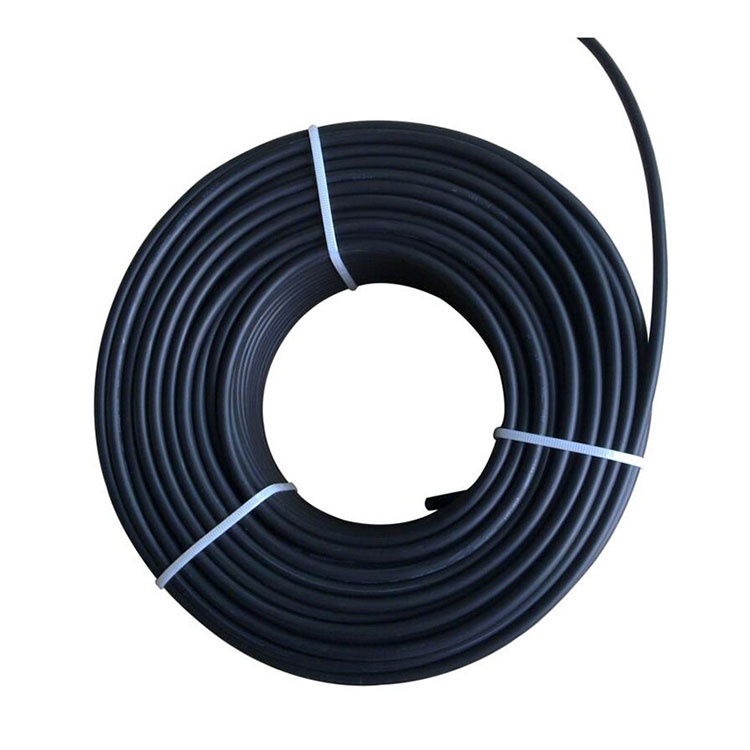
Why Do Solar Installations Require Dedicated PV Cable Instead of Standard Electrical Wire?
At first glance, electrical cables may look similar, which often leads project owners to assume that any industrial wire can handle solar applications. In reality, photovoltaic systems create operating conditions that are significantly different from standard electrical installations.
Solar cables must survive prolonged ultraviolet exposure, extreme temperature variations, and mechanical stress caused by outdoor mounting systems. Ordinary cables are rarely designed for these combined conditions.
- Continuous exposure to sunlight and UV radiation
- Wide temperature swings between day and night
- Outdoor moisture, rain, and dust accumulation
- Mechanical movement caused by wind or panel vibration
- Long service expectations of 20–30 years
Because of these factors, installers increasingly rely on specialized PV Cable solutions built with UV-resistant insulation, enhanced flexibility, and long-term electrical stability.
What Problems Can the Wrong Cable Create in Solar Power Systems?
From field experience, cable-related problems rarely appear immediately after installation. Instead, they emerge slowly and silently, which makes them particularly expensive to correct later.
The most common issues that installers report include the following:
- Insulation cracking after long UV exposure
- Increased resistance causing power loss
- Connector overheating during peak production
- Premature cable aging leading to maintenance costs
- Safety risks such as electrical leakage
In several solar farm inspections I reviewed, underperforming systems often traced back to inferior cabling rather than panel quality. Choosing a durable PV Cable early in the design stage significantly reduces these long-term risks.
How Does High-Quality PV Cable Improve the Stability of Solar Power Generation?
Solar installations depend on stable electrical transmission between modules, combiner boxes, and inverters. A reliable PV Cable contributes directly to system efficiency by maintaining consistent conductivity and insulation integrity over decades.
Modern photovoltaic cables typically incorporate cross-linked insulation materials that resist heat, ozone, and UV radiation. These materials allow the cable to remain flexible and electrically stable even after years of exposure.
- Stable conductivity for consistent power delivery
- Improved resistance to UV and weather conditions
- Flexible construction for easier installation
- Enhanced insulation for operational safety
- Reduced maintenance over the system lifecycle
When installation teams use well-engineered PV Cable, they often report smoother installation processes and fewer post-commissioning issues.
What Technical Characteristics Should Buyers Compare When Selecting PV Cable?
During procurement discussions, I typically advise project managers to compare more than just price. Technical specifications provide a clearer picture of long-term reliability.
| Specification | Why It Matters in Solar Systems |
| UV Resistance | Prevents insulation degradation during long sunlight exposure |
| Temperature Rating | Ensures stable performance during heat buildup on rooftops |
| Conductor Material | High-purity copper improves electrical conductivity |
| Flexibility | Allows easier routing through mounting structures |
| Insulation Structure | Protects against moisture and environmental damage |
These features collectively determine whether a PV Cable will remain reliable for the lifespan of the photovoltaic system.
How Can the Right PV Cable Support Long-Term Solar Investment Returns?
From a financial perspective, the cable network may represent only a small portion of total project costs. However, its influence on system reliability is disproportionately large.
A dependable PV Cable helps prevent hidden losses that accumulate over time. Reduced maintenance visits, stable power transmission, and minimized safety risks all contribute to stronger project returns.
- Lower maintenance and replacement costs
- More stable power output over the system lifecycle
- Improved electrical safety standards
- Greater confidence for long-term solar investments
For developers and EPC contractors managing large-scale installations, these advantages translate directly into operational efficiency and predictable performance.
Could the Right Manufacturing Partner Make a Difference for Solar Cable Supply?
Reliable supply chains are just as important as technical specifications. Working with experienced manufacturers allows installers to access consistent quality and technical support when planning solar infrastructure.
Manufacturers such as Ningbo Paidu Industrial Co., Ltd. focus on producing photovoltaic wiring solutions that align with the operational demands of modern solar projects. Their engineering approach emphasizes durability, safety, and long-term electrical stability in outdoor environments.
For project developers, partnering with a supplier that understands the complexities of photovoltaic systems helps ensure that every component — including the PV Cable — contributes to system reliability.
Are You Looking for a Reliable PV Cable Solution for Your Solar Project?
Selecting the right cable may appear like a small decision during the early stages of a solar project, but it plays a crucial role in long-term system stability. A high-quality PV Cable supports safe energy transmission, reduces maintenance concerns, and protects the performance of the entire photovoltaic installation.
If you are currently planning a solar project or searching for dependable photovoltaic wiring solutions, we encourage you to learn more about available products and technical options. Our team is ready to provide detailed information and practical recommendations tailored to your project requirements.
If you would like to explore suitable PV Cable solutions for your installation, please feel free to contact us or send an inquiry today. Our team will be happy to assist you with technical details, product selection, and project support.