

Why Does a Proper Ground Wire Still Decide System Safety Today?
2025-12-30
When I first started evaluating grounding solutions for industrial and electrical projects, I quickly realized that not all grounding components perform the same way in real-world conditions. That realization is what led me to Quande and its approach to Ground Wire design. Rather than presenting grounding as a background detail, Quande treats it as a core safeguard that quietly protects equipment, people, and entire systems.
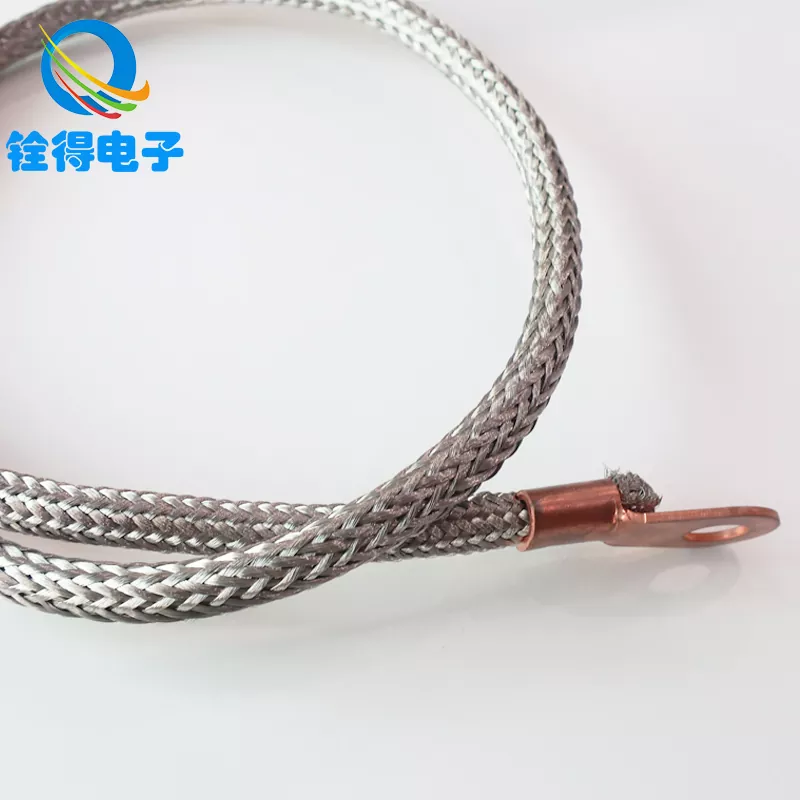
How Does a Ground Wire Actually Protect Electrical Systems?
In practical installations, I have seen failures caused not by major components, but by overlooked grounding paths. A well-designed Ground Wire provides a low-resistance route for fault current, helping electrical energy dissipate safely into the earth instead of damaging equipment or endangering operators.
- It stabilizes voltage levels during normal operation
- It limits surge impact caused by lightning or switching events
- It reduces the risk of electrical shock in exposed environments
What matters most is consistency. A grounding solution must maintain conductivity even when exposed to vibration, temperature variation, or corrosion over time.
Why Does Material Choice Matter So Much for Ground Wire Performance?
From my experience, material selection directly affects how long a Ground Wire can perform reliably. Copper-based grounding conductors remain the industry standard because they balance conductivity, flexibility, and corrosion resistance.
| Material Feature | Practical Benefit |
|---|---|
| High copper purity | Lower electrical resistance and stable current flow |
| Flexible braided structure | Better performance under vibration and movement |
| Surface treatment options | Improved resistance to oxidation and harsh environments |
Quande focuses heavily on these aspects, ensuring that each Ground Wire maintains electrical integrity throughout its service life rather than only meeting initial test results.
Can Ground Wire Design Reduce Long-Term Maintenance Costs?
Many buyers focus on upfront pricing, but I have learned that grounding is a long-term investment. A poorly designed Ground Wire may pass installation checks but fail prematurely, leading to downtime, inspections, and replacement costs.
- Secure terminations reduce loosening over time
- Uniform braid structure minimizes hot spots
- Stable conductivity lowers inspection frequency
By prioritizing structural consistency, Quande grounding solutions help reduce maintenance interventions and extend inspection cycles, which is especially valuable in industrial and infrastructure projects.
How Does Ground Wire Adapt to Different Application Scenarios?
Grounding requirements vary widely across industries. In my evaluations, flexibility has been a deciding factor when selecting a Ground Wire for diverse installations.
| Application Environment | Grounding Requirement |
|---|---|
| Industrial equipment | High flexibility with vibration resistance |
| Power distribution cabinets | Stable conductivity and compact routing |
| Renewable energy systems | Long-term corrosion resistance |
A properly engineered Ground Wire must integrate smoothly into these environments without forcing design compromises, which is why adaptable construction is essential.
What Should Buyers Look for When Sourcing Ground Wire?
When sourcing grounding components, I always recommend looking beyond basic specifications. A reliable Ground Wire should demonstrate consistency in manufacturing, traceable quality control, and real application experience.
- Consistent conductor cross-section
- Reliable bonding and termination compatibility
- Proven performance in demanding environments
These criteria help ensure that grounding is not treated as an afterthought, but as a foundational safety element.
Is Your Ground Wire Ready for Real-World Electrical Challenges?
In modern electrical systems, grounding is no longer optional or secondary. A dependable Ground Wire supports system stability, protects assets, and contributes to long-term operational confidence. Choosing a solution designed with real-world conditions in mind can make a measurable difference over time.
If you are evaluating grounding options or planning a new project, now is the right moment to review your specifications and expectations. To learn more about tailored grounding solutions or to discuss your application needs, contact us today and start a conversation with the Quande team.