

Why Are Custom Wiring Ducts Becoming the Smarter Choice for Modern Cable Management?
2026-04-03
When I evaluate cable management solutions for control panels, machinery, and electrical installations, I usually look beyond standard sizes and focus on what will actually reduce installation trouble, improve routing efficiency, and support a cleaner final build. That is where Yueqing Desai Plastic Co., Ltd. gradually comes into the picture. In many projects, standard ducts can only solve part of the problem, while Custom Wiring Ducts make it much easier to match exact dimensions, layout requirements, installation preferences, and visual expectations without forcing compromises later in the process.
For engineers, distributors, panel builders, and OEM buyers, the real issue is rarely just buying a plastic duct. The real issue is whether the duct fits the cabinet, supports the cable volume, works with the assembly process, and helps deliver a reliable finished product. I have seen too many projects lose time because an off-the-shelf option looked acceptable at first but created wiring congestion, awkward cutting work, or unnecessary waste during installation. That is exactly why Custom Wiring Ducts deserve serious attention.
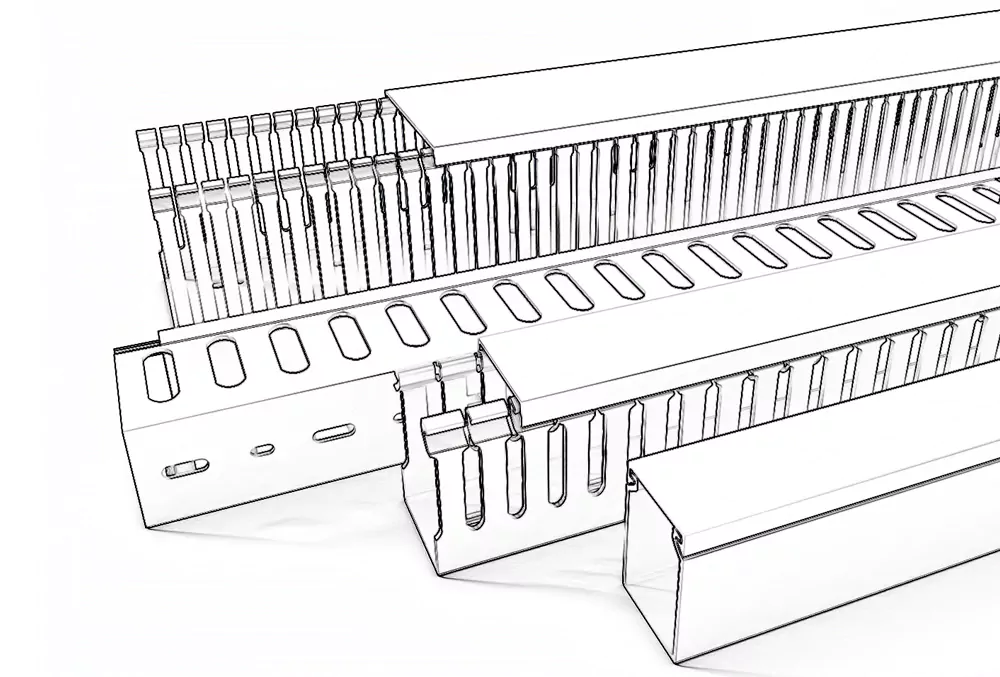
What Problems Do Buyers Usually Face with Standard Wiring Ducts?
In my experience, many buyers do not start with customization because they want something special. They start considering it because standard products fail to solve practical problems on site. A wiring duct may be well made, but if its size, slot pattern, mounting style, or length does not match the project, it adds friction instead of value.
- I often see panel layouts where standard widths waste internal space.
- I also see installers forced to cut or drill products again before use.
- Some projects need a cleaner appearance for branded equipment or export markets.
- Others require material features that support tougher operating environments.
- In some cases, packaging itself matters because distributors want easier handling and fewer shipping issues.
These are not minor details. They directly affect labor time, product consistency, and customer satisfaction. That is why many procurement teams eventually realize that customization is not an added complication. It is often the simpler route when the application has clear technical demands.
How Do Custom Wiring Ducts Help Solve Real Installation Challenges?
I like customized products when they remove avoidable decisions at the job site. Instead of asking installers to adapt materials manually, I would rather have the product arrive closer to the exact requirement. That saves time and reduces variation from one unit to the next. Custom Wiring Ducts can support that goal by aligning product structure with actual use conditions.
Here is where customization makes a practical difference:
- I can choose dimensions that better match cabinet space and cable density.
- I can request processing details that reduce secondary work during assembly.
- I can match appearance requirements when equipment presentation matters.
- I can support different application environments with more suitable product features.
- I can create a more standardized purchasing pattern for repeating projects.
Once those factors are addressed at the sourcing stage, the installation process usually becomes more predictable. That matters a lot for factories, switchgear builders, automation system suppliers, and project contractors who need consistency from batch to batch.
Why Does Product Fit Matter More Than Buyers First Expect?
I have found that buyers often underestimate how much a small mismatch in cable management affects the overall system. A duct that is slightly too narrow may create crowding. A duct that is too large may occupy valuable panel space. A length that does not match the design may increase cutting waste. Even small layout mismatches can slow assembly and make the finished wiring look less organized.
That is why I do not see customization as a luxury. I see it as a way to improve fit, and better fit usually leads to better results:
| Common Project Concern | What Usually Happens with Standard Ducts | What Customized Options Can Improve |
| Space limitations inside control cabinets | Installers work around fixed sizes and lose layout efficiency | Dimensions can be aligned more closely with actual panel design |
| Cable routing complexity | Cables become harder to separate and manage neatly | Design choices can support cleaner organization and easier routing |
| Assembly labor time | Extra cutting, drilling, or adjustment may be needed | Pre-planned processing can reduce on-site modification |
| Brand presentation | Generic appearance may not match the final equipment image | Color and marking choices can better support product identity |
| Application-specific performance | Standard features may not meet all project expectations | Feature-based customization can better reflect the actual environment |
When I look at the table above, the conclusion is simple. The value of Custom Wiring Ducts is not just in changing a product. It is in removing avoidable mismatch from the whole workflow.
What Should I Look for When Choosing a Custom Wiring Duct Supplier?
I never judge a supplier by product photos alone. For a customized order, I care much more about whether the supplier understands production details, communicates clearly, and can turn a technical request into a repeatable manufacturing result.
When I review a supplier, I usually look at these points first:
- Whether they understand dimension tolerances and real installation needs
- Whether they can discuss material, structure, and processing options clearly
- Whether they communicate minimum order expectations early
- Whether they can support consistent production across repeat orders
- Whether they understand packaging and delivery requirements for export or distribution
- Whether they respond with practical solutions instead of vague promises
A reliable supplier should help me narrow options, not overwhelm me with generic catalog language. When I discuss a project, I want specific answers about size, finish, function, application, and order handling. That kind of communication saves time on both sides.
Can Customization Actually Lower Total Project Cost?
At first glance, some buyers assume that a customized product must cost more and therefore should be avoided. I understand that instinct, but I do not think the real calculation is that simple. The better question is whether the total project cost improves when the product is better matched to the application.
In many cases, I find that the total value picture looks stronger when I consider factors such as:
- Reduced installation time
- Lower rework risk
- Less material waste from cutting and adjustment
- Cleaner and more professional finished assemblies
- More repeatable results across multiple units or projects
- Fewer complaints related to fit, appearance, or routing quality
That is why I rarely judge Custom Wiring Ducts only by unit price. I care more about the full cost of fitting, assembling, and delivering a quality end product. If customization helps me control those costs better, then it becomes a smart commercial decision, not an unnecessary extra.
Which Applications Benefit Most from Customized Wiring Duct Solutions?
Not every project needs customization, but many do. I usually recommend taking a closer look whenever the wiring system is part of a more specialized assembly or when appearance and consistency matter to the buyer.
These are the applications where I believe customization often makes the most sense:
| Application | Why Standard Products May Fall Short | Why Customized Solutions Help |
| Control panels | Internal layout space is limited and highly structured | Better size matching supports cleaner routing and easier assembly |
| Automation equipment | Equipment design often requires uniform presentation and repeated specifications | Custom options improve consistency across production batches |
| OEM machinery | Brand image and assembly efficiency both matter | Color, printing, and specification alignment can support both goals |
| Commercial electrical systems | Different projects may have different routing and installation constraints | Customization helps match the actual application instead of forcing adaptation |
| Distribution and wholesale projects | Buyers may need non-standard packaging or recurring custom specs | Tailored supply can improve inventory planning and customer satisfaction |
If I were sourcing for any of these scenarios, I would absolutely compare standard catalog options against Custom Wiring Ducts before making a final decision.
How Can Buyers Communicate Custom Requirements More Effectively?
I have learned that a customized order goes much more smoothly when the buyer gives clear information from the start. Many sourcing delays happen because the request is too general in the first message. If I want the supplier to recommend the right solution quickly, I need to describe the application in a practical way.
Here is the kind of information I would normally prepare:
- Target application or end-use environment
- Required dimensions or preferred size range
- Installation method or mounting expectations
- Performance expectations for the working environment
- Preferred appearance, color, or branding requirements
- Estimated order quantity and repeat demand
- Packaging or shipping expectations
The clearer I am at the inquiry stage, the easier it is for the supplier to respond with a useful proposal instead of a generic quote. That makes the conversation more efficient and improves the chance of getting the right product on the first try.
Why Is Long-Term Supply Stability So Important for Buyers?
I do not only think about the first order. If a custom specification works well, I want to know whether the supplier can support follow-up demand with the same standards. Stable repeat supply matters for OEMs, contractors, and distributors because once a design is approved, changing it later can create unnecessary risk.
That is another reason I pay attention to manufacturers that focus on ongoing cooperation rather than one-time transactions. A good custom supplier should be able to support not just a sample concept, but a repeatable purchasing process. That includes communication, production discipline, and a willingness to refine the product based on real use feedback.
For me, that is where a company like Yueqing Desai Plastic Co., Ltd. becomes relevant in the sourcing conversation. Buyers are not simply looking for wiring duct products. They are looking for a manufacturing partner that understands how product details influence procurement decisions, installation efficiency, and long-term supply confidence.
What Makes a Well-Written Inquiry More Likely to Get Better Results?
If I want a supplier to take my request seriously and reply with useful details, I try to write an inquiry that sounds like a real project brief rather than a one-line price request. That does not mean making it complicated. It means being specific enough to support a meaningful response.
A good inquiry usually includes:
- The product name and target use
- The expected size or drawing reference
- Any special feature or appearance requirements
- The estimated quantity
- The destination market or shipping preference
- The purchasing goal, whether trial order, bulk order, or long-term cooperation
When I send that kind of inquiry, I usually get better answers, faster clarification, and fewer misunderstandings. That matters a lot when I am comparing suppliers for Custom Wiring Ducts and trying to choose the one that fits both technical and commercial needs.
Should Buyers Treat Customization as an Exception or a Strategy?
My answer is simple. If a project has clear dimensional, functional, branding, or installation requirements, I would treat customization as a sourcing strategy rather than an exception. It is often the more practical way to improve product fit, assembly efficiency, and purchasing confidence.
Standard products still have their place, and I would not pretend otherwise. But for many modern electrical and industrial applications, the real competitive advantage comes from matching components more closely to the job they need to do. That is why Custom Wiring Ducts continue to attract attention from buyers who care about quality, consistency, and smarter project execution.
If you are comparing options and want a wiring duct solution that better matches your dimensions, application needs, or product presentation goals, now is the right time to start the conversation. Contact Yueqing Desai Plastic Co., Ltd. with your project details, request a tailored recommendation, and contact us for your next inquiry, quotation, or long-term sourcing plan.