

What Standards Should You Look for in Quality Flame Retardant Wire
2026-03-20
When it comes to electrical safety, selecting the right Flame Retardant Wire is not merely a technical decision but a critical commitment to protecting lives and property. The market offers numerous options, but without a clear understanding of industry benchmarks, you might compromise on safety. At Yilan, we prioritize transparency and adherence to global safety norms, ensuring that every cable we manufacture meets the highest criteria. This guide will walk you through the essential standards that define quality Flame Retardant Wire, helping you make an informed choice for your next project.
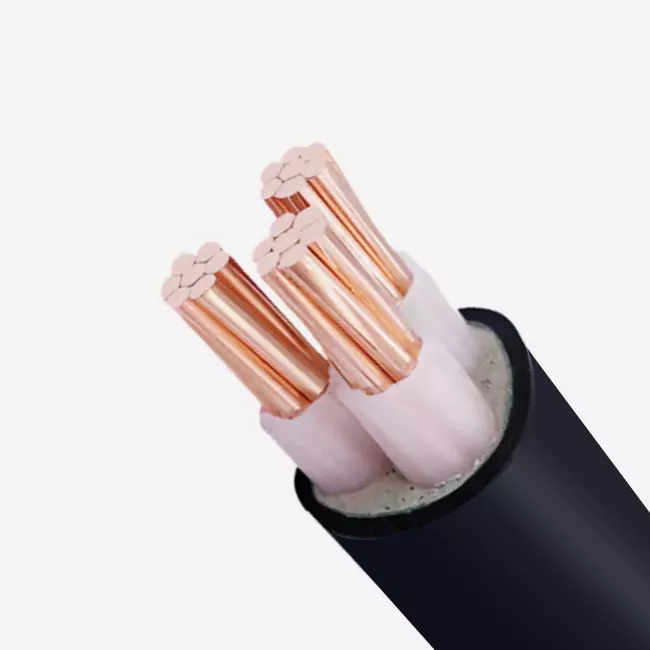
Understanding Flame Retardant Wire
Flame Retardant Wire is designed to resist the ignition of flames and prevent the spread of fire along the cable. Unlike standard wires, which can act as a wick for fire, these specialized cables self-extinguish or significantly slow down combustion. However, the term "flame retardant" is broad; the real measure of quality lies in the specific standards a wire complies with. These standards dictate everything from material composition to performance under extreme heat.
Key Global Standards for Flame Retardant Wire
To ensure you are procuring a product that will perform when it matters most, look for compliance with the following internationally recognized standards. Yilan's manufacturing processes are rigorously aligned with these benchmarks to guarantee reliability.
| Standard | Region | Key Focus | Typical Test |
|---|---|---|---|
| IEC 60332-1 | International | Flame propagation for a single wire | Vertical flame test |
| IEC 60332-3 | International | Flame propagation for bundled wires | Vertical flame test on bunches |
| UL 94 V-0 | North America | Flammability of plastic materials | Vertical burn with specific afterflame times |
| UL 1581 | North America | Reference standard for electrical wires | Various flame tests (VW-1, FT2) |
| BS 6387 | United Kingdom | Circuit integrity under fire | Resistance to fire alone, fire with water, and fire with mechanical shock |
| GB/T 19666 | China | General rules for flame retardant wires | Oxygen index, smoke density, and flame propagation |
1. IEC 60332 Series
This is arguably the most fundamental standard for Flame Retardant Wire globally. It is divided into parts:
-
IEC 60332-1: Tests a single vertical wire. The flame is applied to the wire, and if the burnt area does not reach a specific mark, the wire passes.
-
IEC 60332-3: Tests bunched cables. This simulates real-world conditions where multiple cables are installed together. It measures how far fire propagates along a vertical ladder of bundled wires.
2. UL Standards (UL 94 & UL 1581)
In the North American market, UL (Underwriters Laboratories) standards are paramount.
-
UL 94 V-0: A material standard often applied to the insulation. V-0 rating means burning stops within 10 seconds after ignition, with no flaming drips.
-
UL 1581: This outlines the VW-1 (Vertical Wire) flame test. A Flame Retardant Wire with a VW-1 rating passes a rigorous vertical burn test where the flame is applied for 15 seconds, removed for 15 seconds, and repeated five times.
3. Circuit Integrity Standards (BS 6387)
While basic flame retardancy prevents fire spread, some applications require the wire to continue working during a fire. This is where standards like BS 6387 come in. It tests the cable's ability to withstand:
-
Fire Alone (Test C): 950°C for 3 hours.
-
Fire with Water (Test W): 650°C for 15 mins, followed by water spray.
-
Fire with Mechanical Shock (Test Z): 950°C while being physically struck.
If you need Flame Retardant Wire for emergency systems like fire alarms or sprinklers, this standard is critical.
Why These Standards Matter for Your Safety
Choosing a wire that merely claims to be "flame retardant" is risky. A wire certified to IEC 60332-1 might be sufficient for a short, single run inside a conduit. However, for a data center with thousands of cables in cable trays, you need a wire compliant with IEC 60332-3 to prevent a localized fire from becoming a catastrophic event.
When you choose Yilan, you are selecting products that have undergone stringent testing. We ensure that our Flame Retardant Wire not only meets these chemical and physical benchmarks but also provides low smoke emission and zero halogen options (LSZH) where required, aligning with standards like IEC 60754 for halogen gas emission.
Common Features of High-Quality Flame Retardant Wire
Beyond the certification stamp, a quality product exhibits specific material characteristics:
-
High Oxygen Index (LOI): The material requires a higher concentration of oxygen to burn.
-
Low Smoke Emission: Reduced smoke improves visibility during evacuation.
-
Non-Dripping: The insulation does not melt and drip flaming particles, which can spread fire to other areas.
Yilan integrates these features into our product lines, ensuring that the Flame Retardant Wire you receive offers comprehensive protection.
Flame Retardant Wire FAQ
To further clarify the nuances of this critical safety component, here are answers to some frequently asked questions.
What is the difference between Flame Retardant and Fire Resistant wire?
Flame Retardant Wire is designed to prevent the spread of fire by not burning easily or by self-extinguishing once the ignition source is removed. Its goal is to contain the fire and prevent it from traveling along the cable. Fire Resistant wire, often tested to standards like BS 6387, is designed to maintain circuit integrity and continue operating for a specific duration during a fire. This is essential for powering emergency systems like pumps and alarms while the fire is ongoing.
How can I verify if a Flame Retardant Wire meets the required standards?
Verification involves several steps. First, look for the physical markings printed on the cable jacket, which should list the standard (e.g., "IEC 60332-1"). Second, request the manufacturer's or supplier's test certificates from an accredited laboratory. Reputable manufacturers like Yilan provide datasheets and third-party certification documents that trace back to the specific production batch, ensuring the wire you purchase has been tested and verified.
Does using Flame Retardant Wire guarantee no smoke or toxic gases?
No, standard Flame Retardant Wire reduces flame spread but may still emit significant smoke and toxic/halogenated gases when exposed to fire, which can obscure escape routes and cause respiratory damage. For applications where life safety is paramount, such as in hospitals, submarines, or public transport, you should look for Low Smoke Zero Halogen (LSZH or LSOH) cables. These cables meet specific flame retardancy standards while also limiting smoke emission and containing no halogens.
Conclusion: Secure Your Project with Certified Solutions
Navigating the technical landscape of Flame Retardant Wire standards can be complex, but it is a vital step in ensuring the longevity and safety of your electrical infrastructure. By prioritizing wires certified to IEC, UL, or BS standards, you are investing in genuine protection. At Yilan, we combine advanced manufacturing with strict quality control to deliver Flame Retardant Wire that you can trust for any environment.
Contact us today to discuss your specific requirements and let our experts help you select the perfect flame retardant solution for your project.