

What Makes Electric Wire Essential for Modern Electrical Systems?
2026-07-16
Electricity has become the foundation of modern life, powering residential buildings, commercial facilities, industrial equipment, and advanced technologies. Behind every reliable electrical connection, Electric Wire plays a critical role in ensuring safe, stable, and efficient power transmission. From household circuits to large-scale industrial applications, choosing the right electric wire directly affects performance, energy efficiency, and long-term safety. With professional manufacturing experience, Qingdao Yilan Cable Co., Ltd. provides high-quality cable solutions designed to meet different application requirements and industry standards.
What Is Electric Wire?
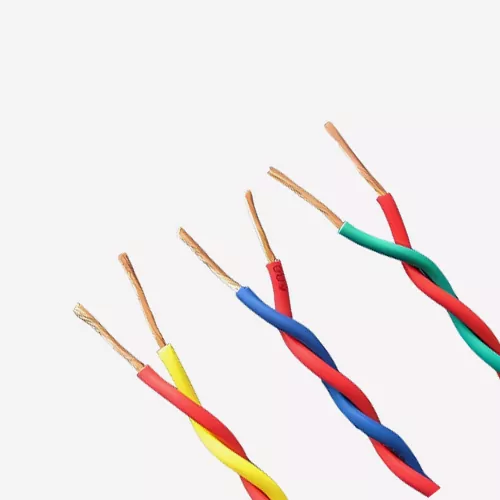
Electric Wire is a conductive material designed to transmit electrical current from one point to another. It usually consists of a metal conductor, mainly copper or aluminum, surrounded by insulation materials that protect against electrical leakage, overheating, and external damage.
The conductor allows electricity to flow efficiently, while the insulation layer improves safety by preventing accidental contact and short circuits. Depending on the application environment, electric wires can be designed with different sizes, structures, and protective materials.
A high-quality electric wire should provide:
| Feature | Description |
|---|---|
| Excellent Conductivity | Ensures efficient power transmission with minimal energy loss |
| Strong Insulation | Prevents electrical leakage and improves safety |
| High Durability | Supports long-term operation under different conditions |
| Heat Resistance | Maintains stable performance under high temperatures |
| Flexible Design | Allows easy installation in various environments |
Why Is Electric Wire Important?
Electric wire is one of the most fundamental components in electrical systems. Without reliable wiring, electrical devices cannot operate safely or efficiently.
1. Ensuring Safe Electricity Transmission
Safety is the most important function of electric wire. Poor-quality wires may cause overheating, insulation failure, or electrical accidents. High-performance electric wires use reliable insulation materials to reduce risks and protect users and equipment.
2. Improving Energy Efficiency
A properly designed electric wire reduces resistance during power transmission. Lower resistance means less energy loss, improved electrical efficiency, and reduced operating costs.
3. Supporting Stable Electrical Performance
Modern equipment requires consistent voltage and current supply. High-quality electric wire helps maintain stable connections, reducing power interruptions and improving equipment reliability.
How Does Electric Wire Work?
The working principle of electric wire is based on the movement of electrical current through a conductive material.
When voltage is applied, electrons move through the conductor, creating an electrical flow. The insulation layer controls the direction of current and protects surrounding components.
The basic structure includes:
- Conductor Core: Usually made of copper or aluminum for electrical transmission.
- Insulation Layer: Protects against leakage and external contact.
- Protective Covering: Provides additional resistance against moisture, chemicals, or mechanical damage.
This simple but effective structure allows electric wire to be used in countless electrical systems worldwide.
Main Types of Electric Wire
Different applications require different electric wire designs. Selecting the correct type ensures better performance and longer service life.
| Type | Main Characteristics | Common Applications |
|---|---|---|
| Copper Electric Wire | Excellent conductivity and durability | Residential wiring, industrial equipment |
| Aluminum Electric Wire | Lightweight and cost-effective | Power distribution systems |
| Flexible Electric Wire | Easy bending and installation | Appliances and mobile devices |
| High Temperature Electric Wire | Resistant to heat and harsh conditions | Industrial machinery |
| Waterproof Electric Wire | Protects against moisture | Outdoor and underground systems |
What Are the Usage Effects of Electric Wire?
The performance of electric wire directly influences the efficiency and reliability of electrical systems.
Better Electrical Conductivity
High-quality electric wire allows electricity to pass smoothly with lower resistance. This helps reduce power waste and improves overall system efficiency.
Longer Service Life
Durable materials and advanced manufacturing processes enable electric wires to withstand mechanical stress, temperature changes, and environmental factors.
Improved Safety Protection
Reliable insulation prevents electrical leakage and minimizes risks such as short circuits and overheating.
Easier Installation
Flexible and well-designed electric wires simplify installation processes, saving labor time and reducing maintenance difficulties.
What Are the Main Applications of Electric Wire?
Electric wire is widely used across different industries and daily environments.
Residential Applications
In homes, electric wire is used for:
- Lighting systems
- Power outlets
- Home appliances
- Heating and cooling equipment
Commercial Buildings
Office buildings, shopping centers, and public facilities depend on electric wire for:
- Electrical distribution
- Security systems
- Communication equipment
- Building automation systems
Industrial Applications
Factories and manufacturing facilities use electric wire for:
- Machinery connections
- Control systems
- Automation equipment
- Power supply networks
Renewable Energy Systems
Electric wire is also essential in:
- Solar power systems
- Wind energy projects
- Energy storage equipment
How to Choose the Right Electric Wire?
Choosing suitable electric wire requires consideration of several important factors.
1. Check Electrical Requirements
Different applications require different voltage capacities and current ratings. Selecting a wire that matches the electrical load helps prevent overheating and performance problems.
2. Consider Environmental Conditions
The installation environment affects wire performance. Outdoor, underground, or industrial applications may require wires with additional protection.
3. Select Reliable Manufacturing Quality
The quality of raw materials, production technology, and inspection processes determine the reliability of electric wire.
Important selection factors include:
| Selection Factor | Importance |
|---|---|
| Conductor Material | Determines conductivity and efficiency |
| Wire Size | Affects current carrying capacity |
| Insulation Quality | Ensures safety and durability |
| Certification Standards | Confirms product reliability |
Why Choose Qingdao Yilan Cable Co., Ltd. for Electric Wire Solutions?
Qingdao Yilan Cable Co., Ltd. focuses on providing dependable cable products with professional manufacturing capabilities and strict quality control.
The company understands that different industries have different electrical requirements. Therefore, it offers electric wire solutions designed for various applications, helping customers achieve safer and more efficient electrical systems.
Advantages include:
- Professional cable manufacturing experience
- Strict raw material selection
- Reliable electrical performance
- Stable product quality
- Customized solutions for different requirements
By combining advanced production technology with practical application experience, Qingdao Yilan Cable Co., Ltd. delivers electric wire products that support modern electrical infrastructure.
Electric Wire vs Traditional Wiring Materials
| Comparison | Electric Wire | Traditional Wiring Materials |
|---|---|---|
| Conductivity | High efficiency | May have higher energy loss |
| Safety | Advanced insulation protection | Limited protection |
| Durability | Long service life | More affected by environment |
| Application Range | Suitable for various industries | Usually limited |
Electric wire provides better performance, improved safety, and greater adaptability, making it an essential choice for modern electrical projects.
Frequently Asked Questions About Electric Wire
1. What materials are commonly used for Electric Wire?
Most electric wires use copper or aluminum conductors. Copper is widely preferred because of its excellent conductivity, while aluminum is popular for lightweight applications.
2. How long can Electric Wire last?
The service life of electric wire depends on material quality, installation conditions, and maintenance. High-quality wires can provide reliable performance for many years when properly installed.
3. Why is insulation important for Electric Wire?
Insulation prevents current leakage, protects users from electric shock, and reduces the risk of short circuits or electrical failures.
4. Can Electric Wire be customized for specific projects?
Yes. Different projects may require customized wire sizes, insulation materials, and performance features. Professional manufacturers can provide solutions based on application needs.
Conclusion
Electric Wire is a vital component in modern electrical systems, providing safe, efficient, and stable power transmission for homes, businesses, industries, and renewable energy projects. Selecting high-quality electric wire improves electrical performance, reduces maintenance costs, and enhances overall safety.
With professional manufacturing expertise and commitment to quality, Qingdao Yilan Cable Co., Ltd. delivers reliable electric wire solutions for customers worldwide. Whether you need standard products or customized cable solutions, our professional team is ready to provide the right support. Contact us today to learn more about our high-quality electric wire products and discover the best solution for your electrical applications.