

What Makes Copper Coil for Electrical Equipment Essential for Reliable Power Performance?
2026-10-16
In modern electrical systems, reliable power transmission, stable operation, and efficient energy use depend on the quality of the materials inside each component. Copper Coil for Electrical Equipment plays an important role in applications where electrical conductivity, heat dissipation, and manufacturing flexibility are essential. From transformers and motors to industrial electrical assemblies, copper coil provides a versatile material solution for manufacturers seeking dependable performance and consistent production quality.
For businesses sourcing copper materials, selecting the right coil involves more than comparing prices. Material purity, dimensional accuracy, surface quality, and suitability for the intended application all influence the performance of the final product. Wenzhou Zenko Metal Co., Ltd. recognizes the importance of material selection in industrial manufacturing and supports customers seeking practical metal solutions for different production requirements.
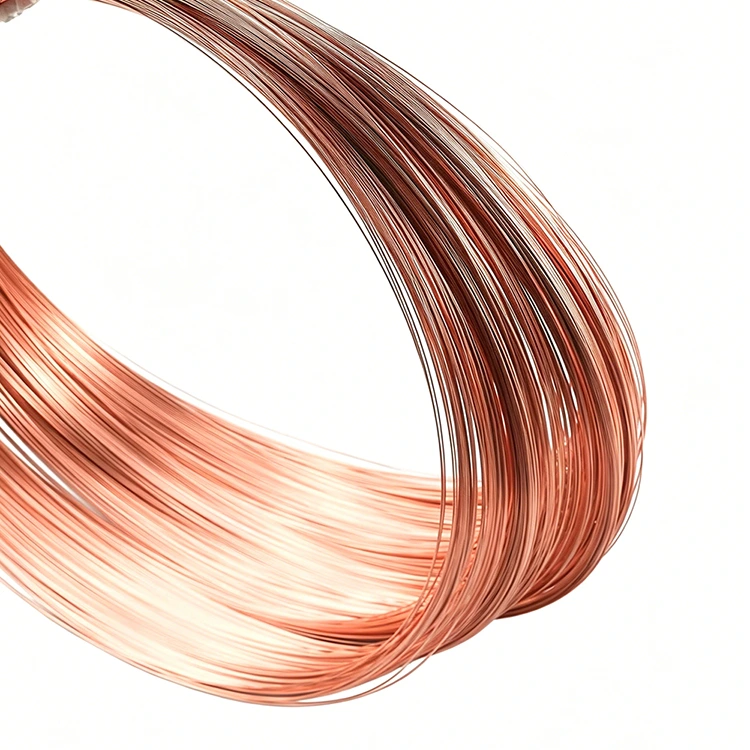
Why Is Copper Coil Important in Electrical Equipment?
Copper is widely used in electrical applications because of its excellent electrical conductivity, thermal conductivity, and formability. These characteristics allow it to carry current efficiently while supporting heat management and manufacturing processes.
When copper is processed into coil form, manufacturers can use continuous material for winding, stamping, slitting, and other fabrication operations. This format can help improve material handling and support consistent production in suitable manufacturing environments.
The importance of Copper Coil for Electrical Equipment can be summarized in three key areas:
-
Electrical efficiency: High conductivity helps reduce resistive losses when the material is properly designed and applied.
-
Thermal performance: Copper transfers heat effectively, helping equipment designers manage operating temperatures.
-
Manufacturing flexibility: Coil material can be processed into different widths, lengths, and shapes to meet component requirements.
Together, these properties make copper coil a valuable material for electrical equipment manufacturers.
What Are the Main Applications of Copper Coil for Electrical Equipment?
Copper coil serves a variety of industrial purposes, depending on its grade, thickness, temper, and final processing method.
1. Transformers and Power Distribution Systems
Copper is commonly used in transformer windings because its conductivity supports efficient current transmission. Properly designed copper windings help control electrical resistance and heat generation, contributing to reliable transformer operation.
For manufacturers, choosing suitable copper material is important for winding consistency, electrical performance, and long-term equipment reliability.
2. Electric Motors and Generators
Electrical machines rely on conductive windings to generate or interact with magnetic fields. Copper is widely used in motor and generator windings because it combines high conductivity with good workability.
The correct copper specification can support efficient winding processes and help manufacturers maintain consistent component quality.
3. Switchgear and Electrical Connections
Copper materials are also used in electrical distribution assemblies, connectors, terminals, and other conductive components. Depending on the product design, copper coil can be processed into strips or formed parts that provide reliable electrical connections.
Dimensional consistency and suitable surface conditions are particularly important when manufacturing precision electrical components.
4. Industrial Electrical and Electronic Components
Copper coil can serve as feedstock for stamped parts, conductive strips, and other components used in industrial electrical systems. Its continuous format is particularly useful for production lines that require repeatable processing and efficient material utilization.
How Does Copper Coil Improve Equipment Performance?
The benefits of copper coil depend on material selection, component design, and manufacturing quality. When these factors are properly controlled, copper can contribute to several practical performance improvements.
| Performance factor | Role of copper coil | Potential benefit |
|---|---|---|
| Electrical conductivity | Carries electrical current efficiently | Reduced resistive losses |
| Thermal conductivity | Transfers heat away from conductive areas | Improved thermal management |
| Formability | Supports bending, winding, and shaping | More flexible manufacturing |
| Dimensional consistency | Enables controlled downstream processing | More repeatable component production |
| Material utilization | Continuous coil supports automated processing | Potentially less handling waste |
These benefits are not automatic. Equipment performance also depends on insulation, cooling systems, electrical loading, connection quality, and the overall engineering design.
For example, a transformer manufacturer must consider conductor dimensions, winding arrangement, insulation requirements, and operating temperature together. Selecting copper coil with appropriate properties helps provide a sound foundation for the finished equipment.
Which Factors Should Buyers Consider When Sourcing Copper Coil?
For B2B purchasers, a suitable copper coil should meet both technical specifications and production requirements. Evaluating the following factors can help reduce sourcing risks.
Material Grade and Purity
Different copper grades offer different combinations of conductivity, mechanical properties, and processing characteristics. Buyers should confirm the material designation and chemical composition required by their application.
Where electrical performance is critical, conductivity requirements should be clearly stated and verified against the relevant product specification.
Thickness, Width, and Tolerance
Coil thickness and width affect material utilization, forming operations, and component dimensions. Precise tolerances are especially important for automated production and precision electrical assemblies.
Before ordering, manufacturers should provide the required dimensions and acceptable tolerances.
Temper and Formability
Annealed copper is generally more ductile and easier to form, while harder tempers offer greater strength. The appropriate choice depends on whether the material will be bent, stamped, wound, or used in another fabrication process.
Surface Quality and Inspection
Surface defects, contamination, and inconsistent dimensions may affect subsequent manufacturing steps. Buyers should establish suitable inspection criteria and request relevant quality documentation where necessary.
Supplier Communication and Customization
A reliable sourcing process requires clear communication about technical requirements, production quantities, packaging, delivery schedules, and inspection standards. Buyers should confirm available specifications directly with their suppliers rather than assuming every option is offered as standard.
How Can Manufacturers Choose the Right Copper Coil Solution?
Selecting Copper Coil for Electrical Equipment becomes easier when buyers follow a structured evaluation process.
-
Define the application: Identify whether the material is intended for transformers, motors, connectors, or other electrical components.
-
Establish technical requirements: Specify copper grade, conductivity, thickness, width, temper, and tolerances.
-
Confirm processing compatibility: Check whether the coil suits the planned winding, stamping, slitting, or forming process.
-
Review quality requirements: Determine the necessary inspection methods, test reports, and applicable standards.
-
Evaluate total sourcing value: Consider material consistency, production efficiency, packaging, delivery, and communication alongside unit price.
This approach helps purchasing teams compare suppliers more effectively and select materials that align with their manufacturing goals.
Why Consider Wenzhou Zenko Metal Co., Ltd.?
Wenzhou Zenko Metal Co., Ltd. is the company featured in this article for buyers exploring metal material sourcing options. For manufacturers evaluating copper materials, clear technical communication and specification matching are important starting points for building an effective supplier relationship.
When discussing a potential order, buyers should communicate their intended application, required material grade, dimensions, tolerance range, quantity, and any applicable quality standards. These details help establish whether a proposed material solution matches the intended production requirements.
Specific copper coil grades, customization capabilities, certifications, and delivery arrangements should be confirmed directly with Wenzhou Zenko Metal Co., Ltd. before purchasing.
Conclusion
Copper Coil for Electrical Equipment remains an important material for modern electrical manufacturing because of its excellent conductivity, heat-transfer performance, and versatility in fabrication. Whether used in transformer windings, motor components, electrical connections, or industrial assemblies, the right copper specification can support efficient production and dependable equipment performance.
For B2B buyers, the best sourcing decision combines technical suitability, consistent quality, clear specifications, and reliable supplier communication.
Looking for a suitable copper material solution for your electrical manufacturing project? Contact us at Wenzhou Zenko Metal Co., Ltd. to discuss your application requirements, explore suitable specifications, and identify the right direction for your next sourcing project.