

What Makes a Ceramic Pellet Igniter 300W Essential for Fast and Reliable Pellet Ignition?
2026-10-13
A reliable ignition system is essential for pellet stoves, biomass boilers, and pellet burners that require consistent startup performance. When ignition takes too long or fails repeatedly, users may experience wasted fuel, increased maintenance, and unnecessary equipment downtime. The Ceramic Pellet Igniter 300W offers a practical solution by converting electrical energy into concentrated heat, helping ignite wood pellets and other suitable biomass fuels efficiently. For equipment manufacturers, distributors, and replacement-part suppliers, choosing the right igniter can improve startup reliability and overall product performance. Xiamen Green Way Electronic Technology Co., Ltd. provides ceramic ignition solutions designed to meet the needs of modern heating equipment.
What Is a Ceramic Pellet Igniter 300W?
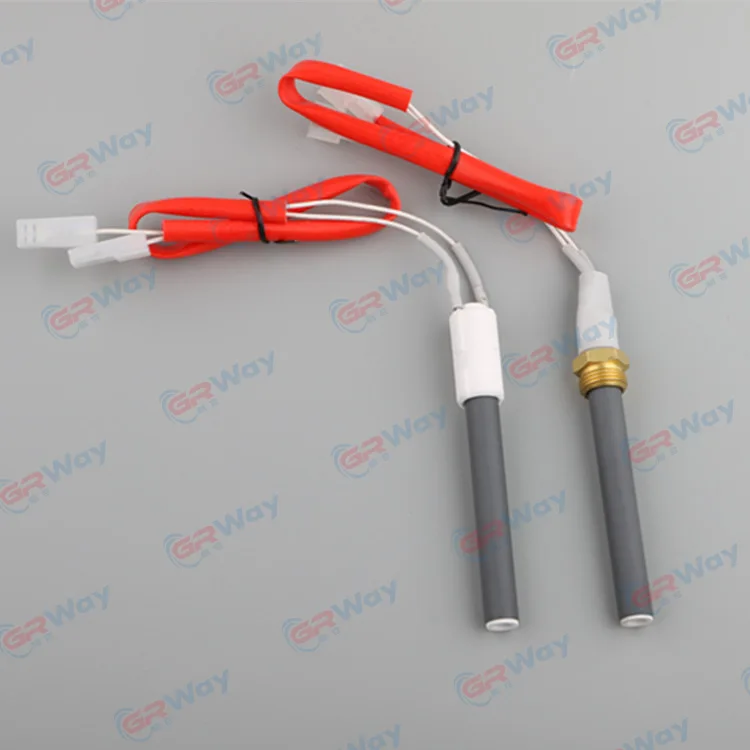
A Ceramic Pellet Igniter 300W is an electrical heating component designed to generate high temperatures for igniting solid fuels. Unlike conventional spark-based ignition systems, it uses a hot-surface heating principle to transfer heat to the fuel or surrounding air.
The GREENWAY G90105 model uses metal ceramic heater technology and an alumina-based ceramic structure. According to the manufacturer's product information, the heating element is produced through ceramic lamination and co-firing processes, combining compact construction with rapid heating performance.
Its 300W rated power makes it suitable for compatible pellet-burning systems that require controlled, high-temperature ignition without relying on a continuously burning pilot flame.
Why Does 300W Matter for Ignition Performance?
The power rating directly influences how electrical energy is delivered to the heating element. However, actual ignition performance also depends on the ceramic structure, installation position, airflow, pellet quality, and burner design.
A properly matched 300W igniter can offer several practical advantages.
1. Faster Startup
The ceramic heating element heats rapidly after power is applied, allowing the ignition zone to reach the temperature needed to start combustion. Faster heating can shorten the startup process and improve convenience for users of automated pellet appliances.
2. Consistent Heat Delivery
Stable heating is important for repeatable ignition. A well-designed ceramic element helps deliver heat where it is needed, reducing the risk of inconsistent startup caused by insufficient heating.
3. Compact and Practical Construction
Ceramic igniters can provide substantial heating performance in a relatively small structure. This makes them useful for equipment designs where installation space is limited.
4. Potential Energy Savings
Efficient heat transfer and an appropriately designed ignition cycle can help reduce unnecessary energy use. Actual savings depend on the appliance, ignition duration, control system, and comparison product.
How Does a Ceramic Pellet Igniter 300W Work?
The ignition process involves several coordinated steps:
-
Electrical activation: The appliance control system supplies the specified voltage to the igniter.
-
Heat generation: Electrical resistance converts electrical energy into heat within the ceramic heating structure.
-
Heat transfer: The hot surface heats the nearby air or fuel in the ignition zone.
-
Fuel ignition: Under suitable temperature and airflow conditions, the pellets begin to ignite.
-
Combustion monitoring: The appliance control system detects successful ignition according to its sensor and operating logic.
This process supports automated operation and reduces the need for manual ignition. For the best results, the igniter must be compatible with the burner's electrical specifications and mechanical design.
Where Can a Ceramic Pellet Igniter 300W Be Used?
The 300W ceramic igniter is designed for compatible solid-fuel and biomass heating applications.
-
Wood pellet stoves: Supports automatic ignition for residential pellet heating.
-
Pellet boilers: Helps initiate combustion in heating systems designed for wood pellets.
-
Pellet burners: Provides hot-surface ignition for compatible burner assemblies.
-
Wood-chip burners: Can be considered for equipment designed to use suitable wood-chip fuels.
-
Other biomass burners: May suit certain straw or other biomass-burning systems when the ignition requirements match.
Compatibility should always be verified before installation. Not every burner or biomass fuel system can use the same igniter.
Ceramic Pellet Igniter 300W: Key Product Specifications
The following table summarizes the published specifications for GREENWAY's G90105 model.
| Specification | Product Information |
|---|---|
| Product name | Ceramic Pellet Igniter 300W |
| Model | G90105 |
| Rated power | 300W |
| Main material | Approximately 95% alumina ceramic, according to product information |
| Heating technology | Metal ceramic heater (MCH) |
| Typical applications | Pellet stoves, pellet boilers, pellet burners, biomass burners |
| Customization | Dimensions, mounting structure, wiring, and other options subject to confirmation |
Electrical voltage, installation dimensions, operating temperature, cable configuration, and mounting details should be confirmed against the latest product datasheet before ordering.
What Should Buyers Check Before Choosing an Igniter?
Selecting an igniter based on wattage alone can lead to installation problems or poor performance. Buyers should evaluate the complete technical requirements.
Electrical Compatibility
Confirm the rated voltage, power, current requirements, connector type, and control-system compatibility. A 300W rating does not automatically mean that two igniters are interchangeable.
Dimensions and Mounting
Check the heating element's length and diameter, mounting flange or threaded connection, insertion depth, and available installation space. Correct positioning is important for efficient heat transfer.
Heating Performance
Evaluate heating response, ignition consistency, operating conditions, and the manufacturer's recommended temperature limits. Performance should be assessed in the intended appliance rather than assumed from rated power alone.
Durability and Operating Conditions
Frequent startup cycles, ash accumulation, vibration, and improper voltage can affect service life. Appropriate installation, temperature control, and routine maintenance help reduce premature failure.
Customization and Supply Requirements
For OEMs and equipment manufacturers, customized dimensions, wiring, mounting options, and production consistency can be important when developing new appliances or replacing existing components.
How Does Ceramic Ignition Compare with Conventional Metal Igniters?
Both ceramic and conventional metal heating elements can be used for hot-surface ignition. Their relative performance depends on the specific design and application.
| Evaluation Factor | Ceramic Pellet Igniter | Conventional Metal Igniter |
|---|---|---|
| Heating structure | Ceramic-based heating element | Metal-based resistance element |
| Design potential | Compact, high-temperature construction | Varies by element type and geometry |
| Ignition performance | Depends on power, design, and airflow | Depends on power, design, and airflow |
| Installation | Must match the appliance mounting system | Must match the appliance mounting system |
| Service life | Depends on materials and operating conditions | Depends on materials and operating conditions |
The best choice is not determined by material alone. Buyers should compare verified heating performance, electrical compatibility, durability test results, and total operating costs.
Why Choose Xiamen Green Way Electronic Technology Co., Ltd.?
For buyers sourcing ceramic ignition components, a dependable supplier can help simplify product selection and equipment integration.
Xiamen Green Way Electronic Technology Co., Ltd., operating under the GREENWAY brand, focuses on ceramic heating and ignition products. Its Ceramic Pellet Igniter 300W G90105 is designed for pellet and biomass heating applications.
Potential purchasing advantages include:
-
Application-focused product development: Ceramic ignition solutions for compatible pellet and biomass equipment.
-
Ceramic manufacturing expertise: MCH technology and ceramic processing for heating-element production.
-
Product customization: Options for dimensions, mounting configurations, and wiring can be discussed according to project requirements.
-
Technical specification support: Buyers can confirm electrical parameters and installation details before placing an order.
-
B2B sourcing support: Product discussions can address equipment integration, replacement requirements, and bulk purchasing needs.
For OEM projects, providing drawings, existing igniter specifications, target voltage, and expected operating conditions can help the supplier evaluate the most appropriate solution.
How Can You Maintain Reliable Ignition Performance?
Correct operation is essential for safety and service life.
-
Keep the burn pot and surrounding ignition area clean according to the appliance manufacturer's instructions.
-
Inspect the igniter for visible damage, contamination, or loose connections.
-
Use only the specified rated voltage and compatible control equipment.
-
Avoid dropping, striking, or bending the ceramic component.
-
Ensure that airflow passages remain unobstructed.
-
Disconnect the power supply and allow the appliance to cool before inspection or replacement.
Installation and electrical testing should be performed by qualified personnel when required. Never touch an energized or hot igniter.
Conclusion
A Ceramic Pellet Igniter 300W can play an important role in improving startup convenience and supporting consistent combustion in compatible pellet stoves, boilers, and biomass burners. Its performance depends on the combination of ceramic heating technology, electrical compatibility, installation accuracy, and appropriate appliance control.
For equipment manufacturers, distributors, and replacement-part buyers, GREENWAY's G90105 offers a ceramic ignition option worth evaluating against specific project requirements. Confirming the technical specifications before purchase helps reduce compatibility risks and supports more reliable equipment operation.
Looking for a suitable ceramic ignition solution for your pellet stove or biomass heating equipment? Contact Xiamen Green Way Electronic Technology Co., Ltd. to discuss the Ceramic Pellet Igniter 300W, request detailed specifications, and explore customization options for your application. Contact us today to find the right ignition solution for your business.