

What is the maximum voltage rating for copper PVC flexible wire
2026-11-20
When selecting wiring for low-voltage and general-purpose electrical projects, Qiancheng’s Copper PVC Flexible Wire stands out as a reliable, widely specified solution for residential, commercial, and light industrial applications. Its combination of high-purity copper conductors, flexible stranded construction, and durable PVC insulation makes it a staple for installations that require both performance and ease of handling.
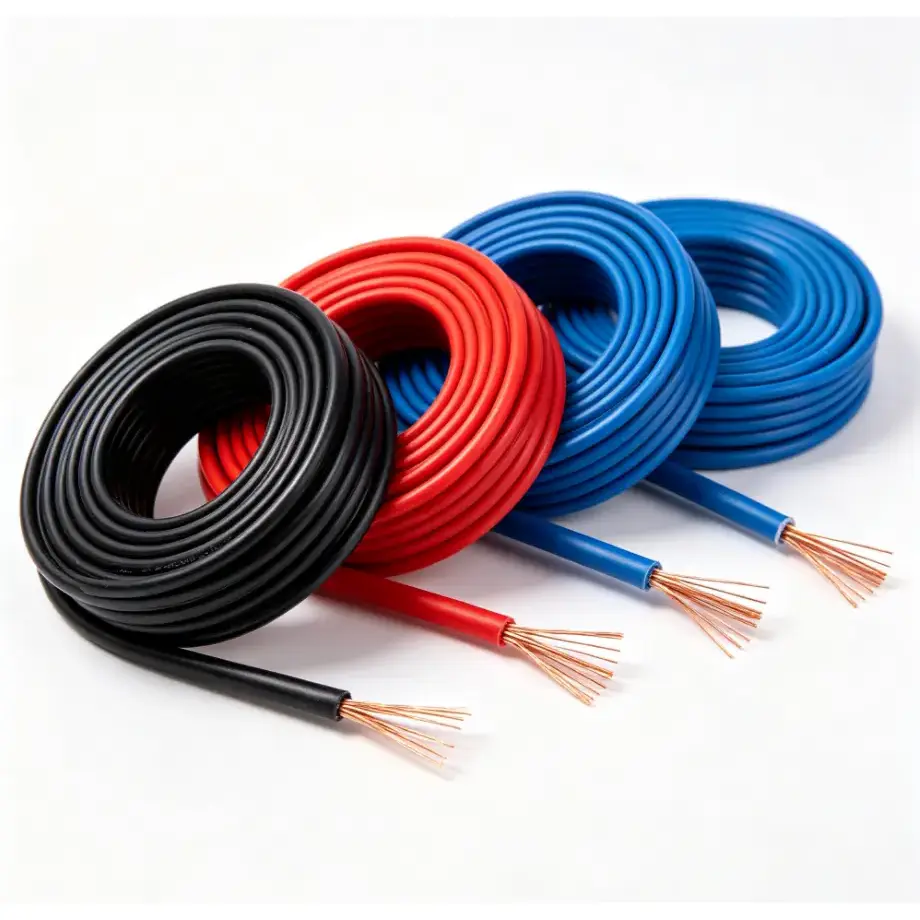
Standard Voltage Ratings by Wire Specification
The maximum voltage rating of Copper PVC Flexible Wire is not a single universal value—it is determined by insulation thickness, conductor cross-section, and the PVC material formulation used during manufacturing. Qiancheng strictly follows IEC 60227 and local electrical codes to ensure consistent, traceable performance across all product lines.
| Wire Gauge (AWG/mm²) | Typical Insulation Thickness | Standard Maximum Voltage Rating |
|---|---|---|
| 24 AWG / 0.2 mm² | 0.6 mm | 300 V |
| 18–16 AWG / 0.75–1.5 mm² | 0.8 mm | 300–500 V |
| 14–12 AWG / 2.5–4 mm² | 1.0 mm | 500–600 V |
| 10 AWG+ / 6 mm²+ | 1.2 mm | 600 V |
Key factors that define safe operating voltage limits:
- PVC insulation’s dielectric strength, tested to withstand 2000 V AC for 15 minutes without breakdown
- Conductor stranding design that prevents partial discharge under sustained voltage load
- Certified temperature ratings (60°C, 70°C, or 90°C) that correlate directly with long-term voltage stability
Copper PVC Flexible Wire FAQ
-
What happens if I run Copper PVC Flexible Wire above its listed maximum voltage rating?
Exceeding the rated voltage accelerates PVC insulation degradation, leading to partial discharge, insulation breakdown, and increased risk of short circuits or fire. Even short-term overvoltage can create hidden micro-cracks in the PVC layer that reduce the wire’s operational lifespan. -
Can Qiancheng Copper PVC Flexible Wire rated 300 V be used in a 230 V household circuit?
Yes, 300 V rated Copper PVC Flexible Wire is fully compliant for 230 V household lighting, small appliance, and control circuit wiring, as the system voltage remains well below the wire’s certified maximum safety margin. For high-power 230 V circuits like kitchen ovens, select a 500 V rated variant to add extra protection. -
Does higher ambient temperature lower the maximum safe voltage of Copper PVC Flexible Wire?
Yes, at temperatures above the wire’s rated 70°C threshold, PVC insulation softens slightly, reducing its dielectric strength. In high-heat environments near furnaces or industrial equipment, derate the maximum voltage by 20% and select a 90°C rated Qiancheng variant to maintain full safety performance.
For custom specifications, bulk order inquiries, or free sample testing of Qiancheng Copper PVC Flexible Wire, reach out directly through our official website’s contact page. Our in-house electrical engineering team will provide you with full certified test reports, application-specific wiring guidance, and a tailored quotation that matches your project’s exact voltage, gauge, and flexibility requirements.