

What Is the Difference Between a Ground Wire and a Neutral Wire
2026-03-19
Understanding the difference between a Ground Wire and a neutral wire is essential for anyone involved in electrical work or home safety. At Quande, we prioritize clarity and precision in electrical components to ensure your systems remain safe and efficient. While both wires are integral to modern electrical circuits, they serve fundamentally different purposes. The Ground Wire acts primarily as a safety path, while the neutral wire functions as a current-carrying conductor. This distinction is critical for proper installation and troubleshooting.
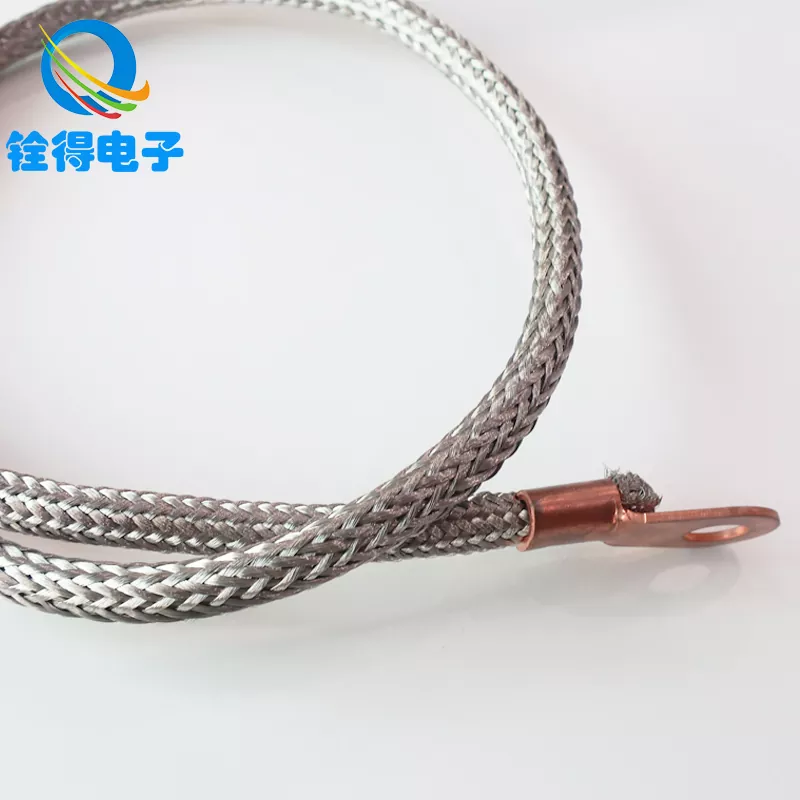
Definitions and Core Purposes
To grasp the difference, we must first define each component individually. A Ground Wire is a safety feature designed to protect people and equipment from electrical faults. In contrast, a neutral wire completes the circuit for electricity to flow normally.
| Feature | Ground Wire | Neutral Wire |
|---|---|---|
| Primary Function | Provides a path for fault current to travel to the earth | Carries return current from the load back to the source |
| Color Coding | Bare copper or green insulation | White or gray insulation |
| Normal Current | Carries current only during a fault condition | Carries current under normal operating conditions |
| Connection Point | Connected to the earth (ground rod) and the panel | Connected to the neutral bar which is bonded to ground |
| Safety Role | Prevents electric shock by grounding stray voltage | Ensures voltage stability for proper device operation |
Key Functional Differences
The operational behavior of these wires highlights their unique roles in an electrical circuit.
Current Carrying Capacity
The neutral wire is a live part of the circuit under standard conditions. It carries the same amount of current as the hot wire in a single-phase circuit. The Ground Wire, however, should never carry current during normal operation. If a Ground Wire is carrying current, it indicates a problem in the system, such as a short circuit or a ground fault.
Safety Mechanisms
When a fault occurs, such as a live wire touching a metal appliance case, the Ground Wire provides a low-resistance path to the earth. This high current flow trips the circuit breaker or blows the fuse. The neutral wire does not provide this protection; relying on it for safety could lead to severe electric shock hazards, as it is a current-carrying conductor.
Common Misconceptions
Many people confuse these two wires because they ultimately connect at the same point in the main service panel—the neutral bus bar, which is bonded to the ground. However, this is the only place they meet.
-
Bonding Point: They are connected only at the main service panel to establish a single reference point to ground.
-
Sub-Panels: In sub-panels, the Ground Wire and neutral must be kept strictly separate to prevent parallel paths for current.
-
Equipment Grounding: The Ground Wire is specifically for equipment grounding, while the neutral is for system grounding.
Ground Wire FAQ Common Questions
What is the main purpose of a Ground Wire?
The main purpose of a Ground Wire is to provide a safe pathway for electricity to flow into the earth in the event of a fault. If a hot wire touches a metal case or frame, the Ground Wire captures that stray voltage and directs it away from the user. This rapid redirection of current triggers the overcurrent protection device (like a breaker) to shut off the power, preventing electrical shock or fire. Without a properly installed Ground Wire, the metal casing of an appliance could become energized, posing a lethal risk to anyone who touches it.
Can I use the neutral wire as a Ground Wire?
No, you should never use the neutral wire as a substitute for a Ground Wire. Although they are connected at the main panel, they perform entirely different functions during operation. The neutral wire carries return current under normal conditions, which means it always has a potential relative to ground. If you use it for grounding, you introduce that voltage to the chassis of your equipment. This creates a dangerous shock hazard and violates electrical codes. A true Ground Wire is a dedicated, non-current-carrying conductor reserved exclusively for safety.
How can I identify a Ground Wire in my home?
In modern residential wiring, identifying a Ground Wire is typically done by color. It is usually a bare copper wire or a wire covered in green insulation. In some older metal conduit systems, the metal conduit itself may serve as the ground path. If you are looking at a standard three-prong plug, the round prong (U-shaped) is connected to the Ground Wire in the circuit. For absolute safety and verification, especially in older homes, it is recommended to use a circuit tester or consult with a qualified electrician to confirm which wire is the true Ground Wire.
Conclusion and Contact Us
Understanding the distinct roles of the Ground Wire and neutral wire is not just an academic exercise; it is a fundamental aspect of electrical safety. Whether you are installing new systems or troubleshooting old ones, always ensure that your Ground Wire connections are intact and properly bonded. At Quande, we are committed to providing high-quality components and expert advice to help you maintain safe electrical standards.
If you have further questions about wiring, need reliable grounding solutions, or require professional assistance, do not hesitate to reach out.
Contact us today to secure your electrical systems with confidence and expertise.