

What Is LC Connector and Why Is It Essential for Modern Fiber Optic Networks?
2026-03-04
In today's high-speed digital era, stable and efficient fiber optic connectivity has become the backbone of data centers, telecommunications, enterprise networks, and FTTH infrastructure. Among various fiber interface standards, the LC Connector stands out as one of the most widely used and reliable optical connectors in the world. Its compact design, excellent performance, and versatility make it the preferred choice for high-density networking environments. For professional manufacturers such as Jiangsu Xuben Photoelectric Technology Co., Ltd., delivering precision-engineered LC Connector solutions is not just about components—it is about enabling faster, safer, and smarter communication systems.
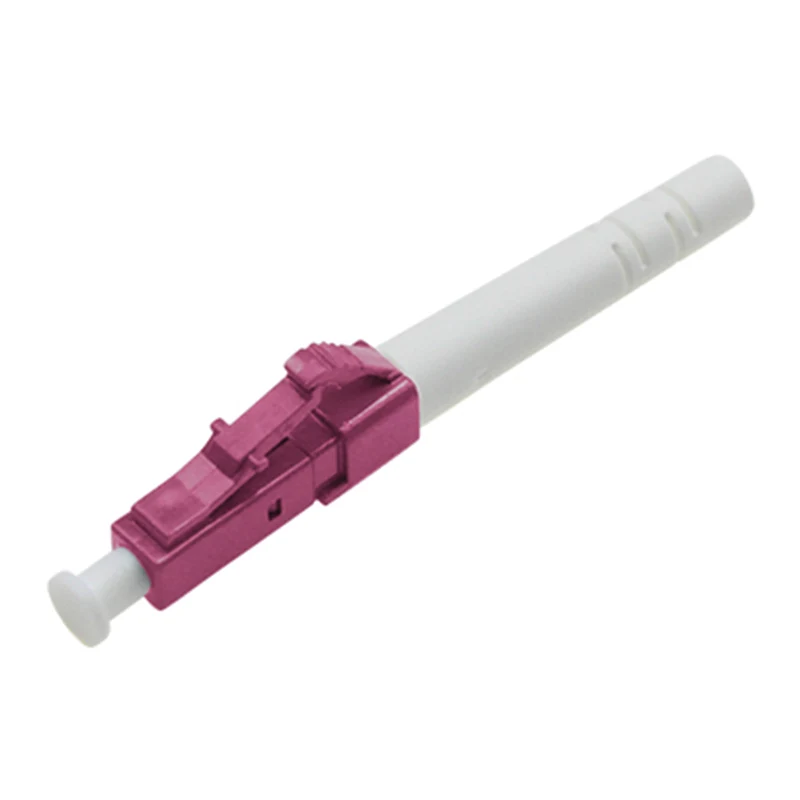
1. What Is an LC Connector?
The LC Connector (Lucent Connector) is a small form-factor fiber optic connector featuring a 1.25mm ferrule. It was developed to meet the growing demand for higher port density and better cable management in fiber optic systems.
Compared with traditional connectors like SC or ST, the LC Connector occupies about half the size, making it ideal for high-density patch panels and data centers.
Key Structural Features:
-
1.25mm ceramic ferrule
-
Push-pull locking mechanism
-
Duplex clip design available
-
Available in single-mode and multimode
-
PC, UPC, and APC polishing types
2. Why Is LC Connector Important in Modern Networks?
With the explosive growth of cloud computing, 5G, and AI data processing, network density and speed requirements are continuously increasing. The LC Connector provides:
-
High Port Density – Saves rack space in data centers.
-
Low Insertion Loss – Ensures stable signal transmission.
-
High Return Loss – Minimizes signal reflection.
-
Strong Compatibility – Works with SFP, SFP+, QSFP modules.
-
Reliable Performance – Stable under temperature variation and vibration.
For enterprises aiming to reduce infrastructure cost while improving performance, LC Connector technology plays a critical role.
3. LC Connector vs SC Connector: What Are the Differences?
| Feature | LC Connector | SC Connector |
|---|---|---|
| Ferrule Size | 1.25mm | 2.5mm |
| Size | Small Form Factor | Larger |
| Density | High | Medium |
| Application | Data Centers, High-density panels | Telecom, FTTH |
| Locking Type | Push-pull latch | Snap-in |
Because of its compact size, LC Connector is now the dominant solution in data centers, while SC connectors remain common in traditional telecom infrastructure.
4. What Are the Main Types of LC Connector?
LC Connector types vary depending on fiber mode and polishing method.
By Fiber Mode:
-
Single Mode (SM LC Connector) – Used for long-distance transmission.
-
Multimode (MM LC Connector) – Used for short-distance high-speed transmission.
By Polishing Type:
-
LC/PC – Standard physical contact.
-
LC/UPC – Ultra physical contact, lower insertion loss.
-
LC/APC – Angled physical contact, best return loss performance.
By Structure:
-
Simplex LC Connector
-
Duplex LC Connector
-
LC to LC Patch Cord
-
LC to SC Patch Cord
Jiangsu Xuben Photoelectric Technology Co., Ltd. provides a full range of LC Connector configurations to meet different industrial and telecom requirements.
5. Where Is LC Connector Used?
The versatility of LC Connector allows it to be applied in multiple industries:
-
Data centers
-
Enterprise LAN
-
Telecom networks
-
FTTH (Fiber to the Home)
-
Optical distribution frames
-
Industrial automation
Its compatibility with SFP transceivers makes it especially valuable in modern server and switching systems.
6. What Are the Performance Advantages of LC Connector?
High-quality LC Connector products typically meet international standards such as IEC and Telcordia.
Typical Technical Specifications:
-
Insertion Loss: ≤ 0.3 dB
-
Return Loss (UPC): ≥ 50 dB
-
Return Loss (APC): ≥ 60 dB
-
Durability: ≥ 1000 mating cycles
-
Operating Temperature: -40°C to +85°C
These specifications ensure long-term stability and low maintenance cost.
7. Why Choose Jiangsu Xuben Photoelectric Technology Co., Ltd.?
When selecting an LC Connector supplier, precision manufacturing and strict quality control are crucial. Jiangsu Xuben Photoelectric Technology Co., Ltd. integrates:
-
Advanced ceramic ferrule production
-
Automated polishing technology
-
100% optical performance testing
-
Customized OEM & ODM services
-
Competitive bulk pricing
With years of experience in fiber optic components, the company ensures every LC Connector meets global quality standards and supports high-speed network deployment worldwide.
8. How Does LC Connector Improve Network Efficiency?
-
Reduces signal attenuation
-
Enhances connection stability
-
Saves rack space
-
Improves airflow in server cabinets
-
Simplifies installation and maintenance
In high-density data center environments, these advantages directly translate into lower operational cost and improved system reliability.
9. Installation Tips for LC Connector
To ensure optimal performance:
-
Always clean the ferrule before connection
-
Avoid excessive bending of fiber cable
-
Use proper insertion force
-
Store unused connectors with dust caps
Proper handling significantly extends the service life of LC Connector products.
Conclusion
The LC Connector has become an indispensable component in modern fiber optic communication systems. Its compact size, superior performance, and compatibility with high-speed transceivers make it the preferred solution for data centers, telecom networks, and enterprise infrastructure.
For reliable, high-precision LC Connector products, Jiangsu Xuben Photoelectric Technology Co., Ltd. delivers industry-leading solutions backed by advanced manufacturing and strict quality assurance. If you are looking for durable, high-performance fiber optic connectors tailored to your project needs, contact us today to explore customized solutions and competitive pricing for your next network deployment.