

What Gauge and Voltage Rating Should I Choose for a PVC Twisted Pair Flexible Cord
2026-09-29
Selecting the correct gauge and voltage rating for a PVC Twisted Pair Flexible Cord is one of the most important decisions engineers, electricians, and procurement specialists face when designing reliable power and signal systems. A PVC Twisted Pair Flexible Cord from Qiancheng combines flexible stranded conductors with a durable PVC jacket, making it suitable for applications where movement, vibration, or tight routing is expected. Choosing the wrong gauge or voltage rating can lead to overheating, voltage drop, insulation failure, or premature cable replacement. This guide explains the key technical factors that determine the right specification for your project.
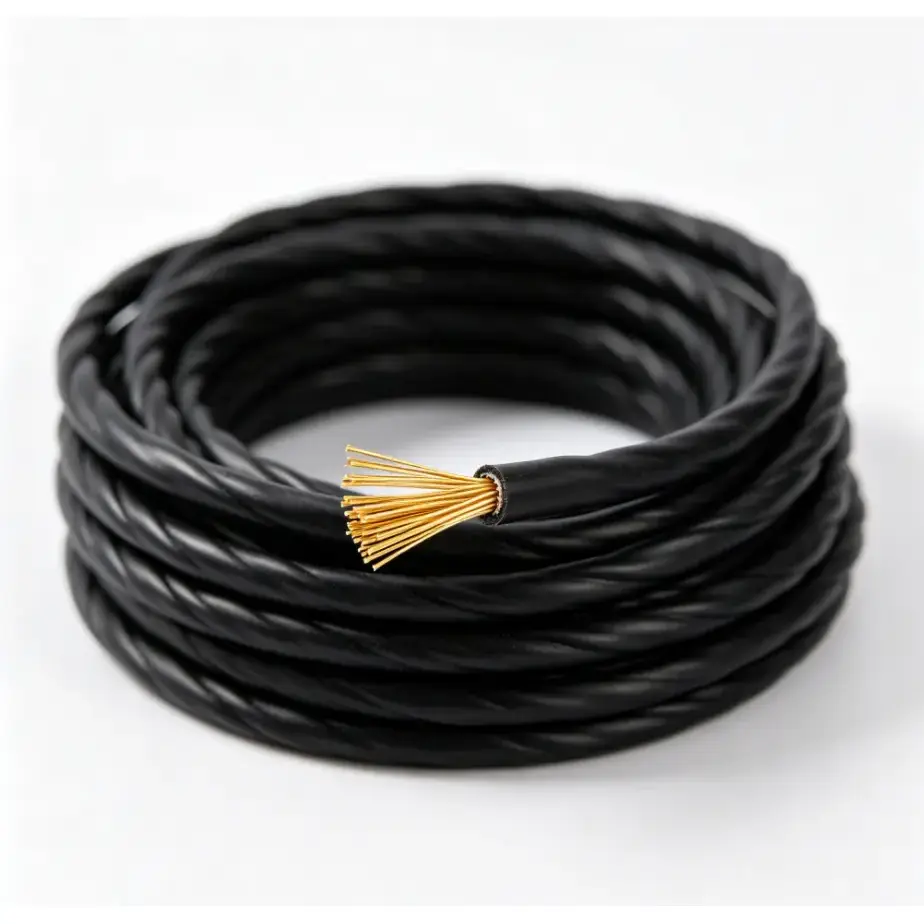
Understanding Gauge Selection for a PVC Twisted Pair Flexible Cord
The gauge of a PVC Twisted Pair Flexible Cord is expressed in AWG (American Wire Gauge). Lower AWG numbers indicate thicker conductors with higher current-carrying capacity. The correct gauge depends on current load, cable length, ambient temperature, and allowable voltage drop.
Key factors influencing gauge choice:
-
Current carrying capacity (ampacity): Higher current requires a thicker conductor to prevent overheating.
-
Circuit length: Longer runs increase resistance and voltage drop, often requiring a larger gauge.
-
Voltage drop limits: Most systems allow no more than 3% to 5% voltage drop.
-
Flexibility requirements: Finer stranding improves flexibility but may slightly reduce ampacity compared to solid conductors.
-
Environmental conditions: High ambient temperatures reduce allowable current.
Qiancheng recommends calculating ampacity and voltage drop before selecting a PVC Twisted Pair Flexible Cord, rather than relying on rule-of-thumb estimates.
Typical Gauge and Ampacity Reference Table
| AWG Size | Typical Ampacity (A) | Common Applications |
|---|---|---|
| 18 AWG | 3–7 A | Control signals, small sensors |
| 16 AWG | 5–13 A | Lighting, low-power equipment |
| 14 AWG | 10–18 A | Portable tools, small motors |
| 12 AWG | 15–25 A | Power distribution, medium loads |
| 10 AWG | 20–35 A | Heavy-duty equipment, long runs |
Qiancheng manufactures PVC Twisted Pair Flexible Cord in multiple gauge options to match specific current and flexibility requirements.
Understanding Voltage Rating for a PVC Twisted Pair Flexible Cord
Voltage rating defines the maximum voltage the insulation can safely withstand continuously. For a PVC Twisted Pair Flexible Cord, the voltage rating depends on insulation thickness, PVC compound quality, and applicable standards.
Common voltage ratings include:
-
300/300 V: Low-voltage signal and control circuits.
-
300/500 V: General-purpose flexible cords for light industrial use.
-
450/750 V: Industrial power and control applications.
-
600/1000 V: Heavy-duty installations requiring higher insulation integrity.
The first number represents the voltage between conductors, and the second represents the voltage between conductor and ground. Exceeding the rated voltage can cause insulation breakdown, short circuits, or fire hazards.
Voltage Rating Selection Table
| Voltage Rating | Typical Use Case | Insulation Demand |
|---|---|---|
| 300/300 V | Signal, data, control | Low |
| 300/500 V | Portable equipment | Moderate |
| 450/750 V | Industrial machinery | High |
| 600/1000 V | Heavy industrial power | Very high |
Qiancheng tests every PVC Twisted Pair Flexible Cord to verify dielectric strength and long-term voltage stability.
Matching Gauge and Voltage Rating to Application
| Application | Recommended Gauge | Recommended Voltage Rating |
|---|---|---|
| Control panels | 18–16 AWG | 300/500 V |
| Portable tools | 14–12 AWG | 300/500 V |
| Industrial motors | 12–10 AWG | 450/750 V |
| Heavy equipment | 10–8 AWG | 600/1000 V |
Qiancheng provides technical support to help customers match gauge and voltage rating precisely, reducing waste and improving safety.
PVC Twisted Pair Flexible Cord FAQ
What is the difference between 300/500 V and 450/750 V PVC Twisted Pair Flexible Cord?
A 300/500 V PVC Twisted Pair Flexible Cord is designed for lighter-duty flexible applications, while a 450/750 V version uses thicker insulation and higher-grade PVC to withstand greater electrical stress in industrial environments.
Can I use a thicker gauge PVC Twisted Pair Flexible Cord to reduce voltage drop?
Yes, increasing the gauge of a PVC Twisted Pair Flexible Cord lowers resistance and reduces voltage drop, which is especially important for long cable runs or low-voltage systems.
Does voltage rating affect the flexibility of a PVC Twisted Pair Flexible Cord?
Higher voltage ratings usually require thicker insulation, which can slightly reduce flexibility, so Qiancheng balances insulation thickness and stranding design to maintain performance.
How do I verify the correct gauge and voltage rating before installation?
Review the load current, circuit length, ambient temperature, and applicable safety standards, then confirm the specification with Qiancheng technical data sheets before ordering.
Why choose Qiancheng for PVC Twisted Pair Flexible Cord?
Qiancheng delivers consistent conductor stranding, high-quality PVC compounds, and strict testing for ampacity, voltage withstand, and flexibility, ensuring reliable performance in demanding applications.
Contact Us
For expert guidance on selecting the right gauge and voltage rating for your PVC Twisted Pair Flexible Cord, contact Qiancheng today. Our technical team will help you specify the ideal cable for your application, request samples, and receive competitive pricing. Reach out now to ensure your project uses a safe, efficient, and durable PVC Twisted Pair Flexible Cord from Qiancheng.