

What Are the Safety Standards and Certifications for Solar Cable
2025-12-02
When installing a solar power system, every component's reliability is critical, but the Solar Cable is uniquely vital for safety and performance. Choosing a cable without the correct certifications risks system failure, fire hazards, and significant financial loss. This guide details the essential safety benchmarks and why Paidu Solar Cables are engineered to meet and exceed these rigorous global requirements.
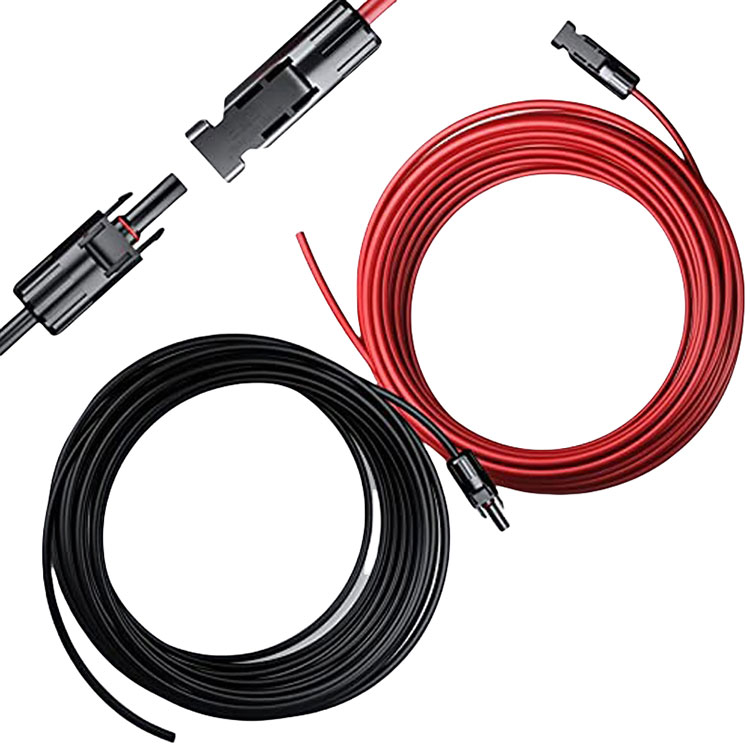
Essential Safety Certifications for Solar Cables
A certified solar cable is non-negotiable. Key international standards include:
-
TÜV Mark: The foremost certification for solar components. It confirms the cable has passed stringent tests for safety, durability, and long-term performance in outdoor environments.
-
IEC 62930: This is the definitive international standard for photovoltaic cables. It specifies requirements for weather, UV, ozone, and flame resistance.
-
UL 4703: The primary safety standard in North America, covering fire resistance and electrical safety.
-
RoHS Compliance: Ensures the cable is manufactured without hazardous substances, making it environmentally safe.
Paidu Solar Cable: Engineered to the Highest Specifications
Paidu doesn't just meet standards; it builds superior performance into every parameter. Our cables are designed for a 25+ year service life under the most demanding conditions.
| Parameter | Paidu Solar Cable Specification | Importance for Your System |
|---|---|---|
| Conductor | High-purity, tinned copper | Ensures excellent conductivity, prevents oxidation, and guarantees stable power output over decades. |
| Insulation & Sheath | Electron-beam cross-linked, Halogen-free | Provides exceptional resistance to UV radiation, extreme temperatures (-40°C to +120°C), abrasion, and chemicals. Halogen-free material prevents toxic smoke in case of fire. |
| Voltage Rating | 1.5 kV DC | Offers a significant safety margin for standard residential and commercial PV systems, enhancing long-term reliability. |
| Certifications | TÜV, IEC 62930, UL 4703, RoHS | Independent proof of global compliance, safety, and durability you can trust. |
Solar Cable FAQ
What happens if I use a regular cable instead of a certified Solar Cable?
Using standard electrical cable is a major safety risk. Regular cables are not designed for constant UV exposure, wide temperature swings, or DC current, leading to insulation cracking, accelerated aging, and potential short circuits or fires. Only TÜV or UL-listed Solar Cables like those from Paidu are safe for photovoltaic applications.
How do I choose the right size (mm²) of Solar Cable for my system?
Cable size depends on your system's current (Amps) and the distance between panels and the inverter. An undersized cable causes power loss and overheating. Always consult your installer's calculations or use a professional cable sizing tool. Paidu offers a complete range of standard sizes and provides technical support to help you select the correct cable.
Are all TÜV-certified Solar Cables the same quality?
No, certification is a minimum threshold. Paidu uses superior raw materials (like tinned copper) and advanced cross-linking technology, resulting in a more durable, flexible, and longer-lasting cable that exceeds the baseline certification requirements, ensuring peak performance for the life of your PV system.
Secure Your Investment with Certified Quality
Your solar array is a long-term investment. Protect its efficiency, safety, and value by insisting on components that bear the world's most trusted marks of quality. Don't compromise on the component that carries the entire system's power.
Contact us today for detailed datasheets, a sample request, or to speak with our technical team about how Paidu Solar Cables provide the certified foundation your project needs.