

What Are the Regulations for Underground Power Cable Laying
2026-01-14
Installing an underground Power Cable system is a complex project that goes far beyond simply digging a trench. It is governed by a strict framework of regulations designed to ensure public safety, system reliability, and long-term infrastructure integrity. Navigating this regulatory landscape requires expertise and precision. At Yilan, we specialize in providing compliant, high-performance cabling solutions, guiding our clients through every code and standard to ensure a seamless and safe installation.
The rules for burying Power Cable networks are a combination of national electrical codes, local authority guidelines, and industry best practices. Key governing documents include the National Electrical Code (NEC/NFPA 70), which outlines fundamental requirements for depth, protection, and materials.
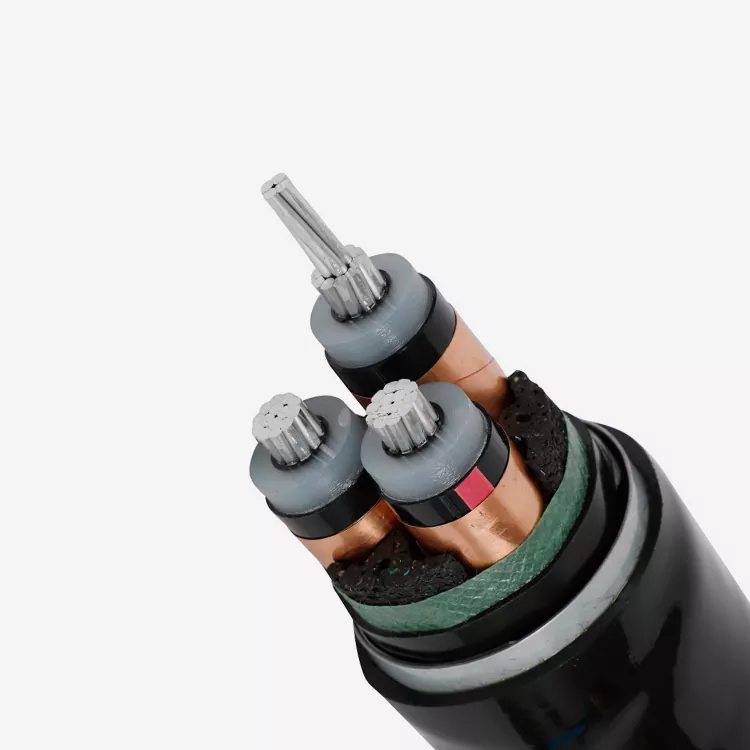
Core Regulatory Considerations:
-
Minimum Burial Depth: This is critical and varies by cable type, voltage, and location (e.g., under streets vs. residential yards).
-
Warning & Identification: Buried cables must be marked with warning tape or conduit to alert future excavators.
-
Conduit & Protection: In many areas, cables must be run inside conduit (PVC, metal) for physical protection and ease of replacement.
-
Backfill Materials: Specifications often exist for the type of material used to backfill the trench to prevent damage to the cable jacket.
-
Utility Coordination: Before any digging, you must contact local utility locator services (e.g., 811 in the US) to identify existing lines.
For a clearer overview, here are common requirements based on application:
| Application | Typical Minimum Depth (NEC Guidance) | Common Protection Method |
|---|---|---|
| Residential Branch Circuits (120V) | 12-18 inches | Direct Burial Cable or Conduit |
| Feeder Cables (Up to 600V) | 24 inches | Rigid Metal Conduit (RMC) or Intermediate Metal Conduit (IMC) |
| Under Public Streets/Roads | 24-36 inches | Encased in Concrete or Heavy-Duty Conduit |
Power Cable FAQ
Q: Can I use any cable for direct burial?
A: No. You must use a cable specifically rated for direct burial, such as UF-B (Underground Feeder) cable. These have a robust jacket designed to resist moisture and soil corrosion. Using a non-rated Power Cable underground is a severe safety and code violation.
Q: Why is conduit often required even for direct-burial cable?
A: Conduit provides an extra layer of physical protection from shovels, rocks, and root growth. It also simplifies future repairs or upgrades, as the old cable can be pulled out and a new one installed without re-digging the entire trench. Local codes frequently mandate conduit in areas with high excavation risk.
Q: Who is responsible for obtaining permits for underground cable work?
A: The property owner or the licensed electrical contractor is typically responsible for securing all necessary permits from the local building department. This process ensures the planned installation will be inspected for compliance with all depth, material, and safety regulations.
Adhering to these regulations is not optional—it’s essential for preventing outages, avoiding costly fines, and most importantly, protecting lives. A compliant underground Power Cable installation is a long-term investment in safety and reliability.
For your next project, don’t navigate this complex terrain alone. Trust Yilan to provide the expertise and premium, code-compliant products you need. Contact us today for a consultation to ensure your underground installation is powerful, safe, and built to last.