

What are the most common installation mistakes to avoid with GSW bare conductor cable
2026-05-07
Installing GSW Bare Conductor Cable correctly is critical for the longevity and safety of overhead power transmission systems. Even experienced crews can make errors that lead to energy losses, conductor damage, or premature failure. DAYA has observed recurring installation issues across global projects, and understanding these pitfalls helps ensure grid reliability. Below are the most frequent mistakes and how to avoid them.
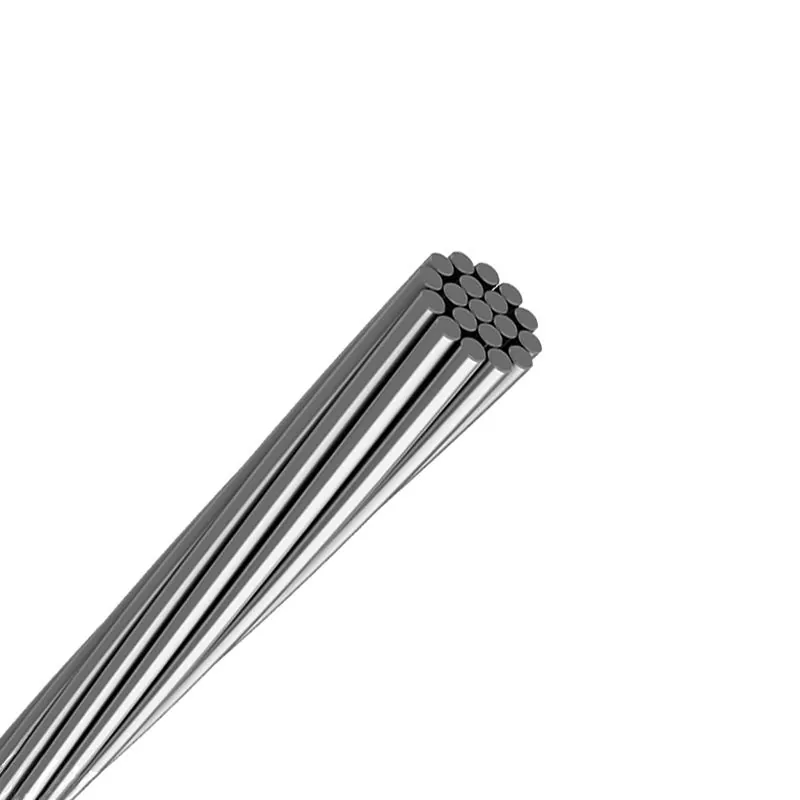
Top 5 Installation Mistakes and Solutions
| Mistake | Consequence | Recommended Fix by DAYA |
|---|---|---|
| Improper tensioning during stringing | Sagging errors and conductor elongation | Use dynamic tension monitoring equipment |
| Using mismatched hardware fittings | Localized heating and galvanic corrosion | Always pair GSW Bare Conductor Cable with ASTM B8-compliant fittings |
| Neglecting pulley condition | Surface abrasion and birdcaging | Inspect pulleys for grooves and smooth surfaces before each pull |
| Incorrection splicing procedures | Weak joints and increased resistance | Follow torque specifications exactly for compression splices |
| Skipping pre-installation conductor inspection | Hidden damage from transit or storage | Unspool and visually check every 50 meters |
Detailed Breakdown of Critical Errors
1. Over-tensioning the conductor
When pull forces exceed manufacturer recommendations, GSW Bare Conductor Cable can undergo unwanted plastic deformation. This reduces its ampacity permanently. DAYA recommends keeping pulling tension below 50% of the rated breaking strength.
2. Wrong hardware material selection
Aluminum and galvanized steel react when exposed to moisture. Using copper or dissimilar metals without proper plating creates electrolytic corrosion. Always verify hardware compatibility with GSW Bare Conductor Cable specifications.
3. Poor sagging calculations
Environmental temperature and wind loading must be factored into sag charts. Many crews use generic tables, leading to violations of ground clearance codes. DAYA provides project-specific sag-tension calculation software for all GSW Bare Conductor Cable purchases.
GSW Bare Conductor Cable FAQ - Common Questions
What is the maximum pulling tension allowed for GSW Bare Conductor Cable during installation?
The maximum recommended pulling tension for GSW Bare Conductor Cable is 50% of its rated ultimate tensile strength (UTS) for standard ACSR or AAAC constructions. For example, a conductor with 10,000 lbs UTS should never see pulling forces exceed 5,000 lbs. DAYA advises using a dynamometer at the pulling end and maintaining tension below this threshold to avoid strand elongation and diameter reduction. Exceeding this limit permanently degrades conductivity and mechanical strength.
How can I prevent conductor damage when pulling over pulleys
To prevent damage to GSW Bare Conductor Cable, always use pulleys with a diameter at least 20 times the conductor diameter. Pulley grooves must be smooth, free of burrs, and lined with neoprene or equivalent material. Space pulleys every 50 to 80 meters on straight sections and every 30 to 50 meters on angles. DAYA also recommends a pulling speed not exceeding 30 meters per minute when tension exceeds 30% of UTS. Stop immediately if you hear grinding or see aluminum dust.
Why does my GSW bare conductor show birdcaging after installation and how do I fix it
Birdcaging in GSW Bare Conductor Cable occurs when torsional stress unwinds the outer strands during tension release. This usually happens when the conductor rotates during pulling or when tension is dropped too quickly. To fix birdcaging on site, DAYA advises first relieving all tension, then manually rotating the affected section in the opposite direction while applying gentle axial compression. For severe cases, cut out the damaged portion and re-splice with an approved full-tension splice. Prevention is simpler: use a swivel pulling grip and reduce tension gradually over several minutes.
Ensuring Long-Term Performance
Each of these mistakes leads to higher lifecycle costs and unplanned outages. DAYA integrates quality checks into every shipment of GSW Bare Conductor Cable, including factory test reports and custom installation guides. Field crews should receive specific training on tensioning hardware compatibility and sagging methods before starting any overhead line project.
Contact us today for a free installation checklist and customized technical support for your GSW Bare Conductor Cable project. DAYA offers on-site training and real-time tension monitoring solutions. Reach out through our website or email sales to secure your next transmission line success.