

What Are the Main Safety Considerations When Installing Polyvinyl Chloride Cable
2026-03-06
When planning any electrical project, understanding the main safety considerations when installing Polyvinyl chloride cable is crucial for ensuring long-term performance and risk prevention. At Dongjue, we emphasize that proper handling and adherence to standards are just as important as the quality of the cable itself. Ignoring these factors can lead to insulation failure, short circuits, or fire hazards.
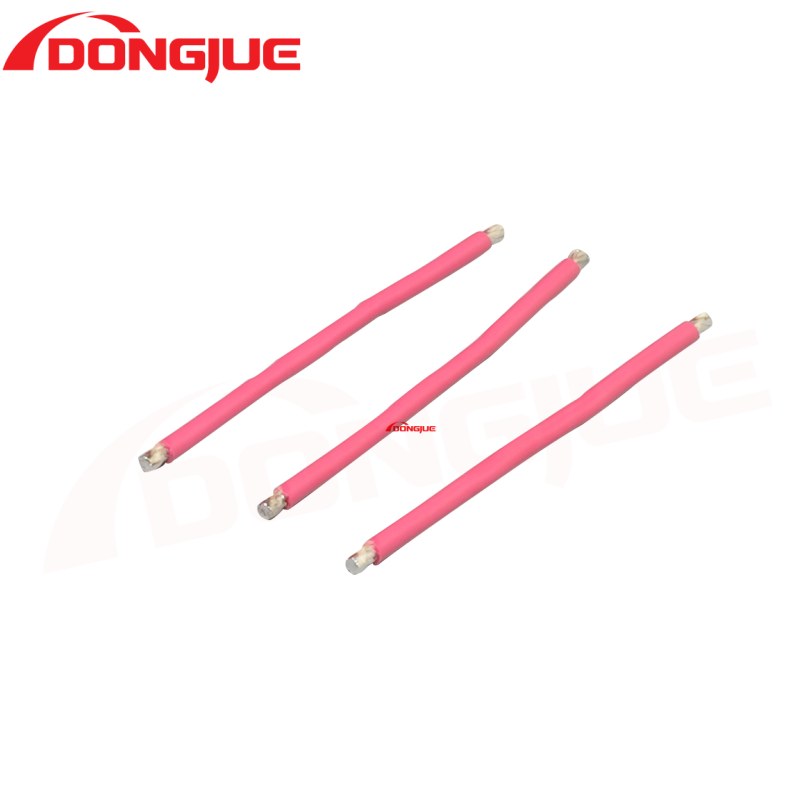
Critical Safety Factors for Installation
To ensure a secure installation, electricians and project managers must evaluate the physical environment and mechanical stresses involved. Below is a breakdown of the primary risks and their recommended controls.
| Safety Consideration | Potential Risk | Recommended Control |
|---|---|---|
| Temperature Rating | Insulation melting or softening | Verify the cable’s max operating temperature (usually 70°C to 90°C) matches the load. |
| Mechanical Damage | Cuts or abrasion exposing conductors | Use conduit for protection in areas subject to impact or vibration. |
| Chemical Exposure | Material degradation and brittleness | Avoid installation in areas with high concentrations of oils or solvents. |
| UV Radiation | Surface cracking and loss of flexibility | Ensure the Polyvinyl chloride cable is rated for outdoor use if exposed to sunlight. |
Best Practices for Compliance and Durability
Following a structured checklist helps mitigate the common hazards associated with Polyvinyl chloride cable installations. Dongjue recommends the following professional practices:
-
Bending Radius Compliance: Never bend the cable tighter than the manufacturer’s recommended radius to prevent internal conductor damage.
-
Secure Fixing: Use appropriate cable clips or ties that do not pinch the insulation, maintaining the integrity of the Polyvinyl chloride cable sheath.
-
Segregation: Keep low-voltage and high-voltage cables separate to prevent inductive interference and accidental contact.
Frequently Asked Questions
To further clarify the main safety considerations when installing Polyvinyl chloride cable, here are answers to three common professional inquiries.
FAQ 1: Can Polyvinyl chloride cable be installed in direct sunlight outdoors?
While standard Polyvinyl chloride cable has some resistance to weathering, prolonged exposure to direct UV radiation can cause the plasticizers to leach out, leading to hardening and cracking. For permanent outdoor installations, you should specifically select a Polyvinyl chloride cable that is UV-stabilized or run the cable inside a protective conduit. At Dongjue, we mark our outdoor-rated stock clearly to assist with this specific safety requirement.
FAQ 2: What is the risk of installing Polyvinyl chloride cable in very cold temperatures?
When the ambient temperature drops below a certain threshold (typically 0°C to -5°C), Polyvinyl chloride cable becomes stiff and less flexible. Attempting to bend or manipulate the cable during installation in freezing conditions can cause micro-fractures in the insulation. These fractures may not be visible immediately but can lead to electrical failure later. It is best practice to warm the cable to room temperature before installation if it has been stored in a cold environment.
FAQ 3: How does overloading a circuit affect the safety of Polyvinyl chloride cable?
Overloading occurs when the current flowing through the conductors exceeds the cable’s designed ampacity. This generates excess heat. Since Polyvinyl chloride cable has a specific maximum operating temperature (usually 70°C for standard types), excessive heat will soften the insulation, potentially causing it to deform or melt. This breakdown can lead to short circuits. Always match the cable size to the circuit breaker rating to prevent this thermal risk.
Conclusion
Paying close attention to environmental conditions, mechanical stress, and thermal limits ensures that your Polyvinyl chloride cable performs safely for its entire service life. By sourcing high-quality materials and following these safety protocols, you minimize risks and enhance system reliability.
For expert advice on selecting the right Polyvinyl chloride cable for your specific project requirements, or to discuss custom solutions, contact us today. The Dongjue team is ready to support your next installation with professional-grade products and guidance.