

What Are the Hidden Risks of Installing Fiberglass Exhaust Wrap on a Daily Driver
2026-04-08
Many car enthusiasts turn to Fiberglass Exhaust Wrap as a low-cost solution for reducing under-hood temperatures and improving exhaust scavenging. However, when installed on a daily driver, the risks often outweigh the benefits. At J&W Automotive Parts, we have evaluated hundreds of exhaust systems and identified critical issues that every owner should understand before wrapping their pipes.
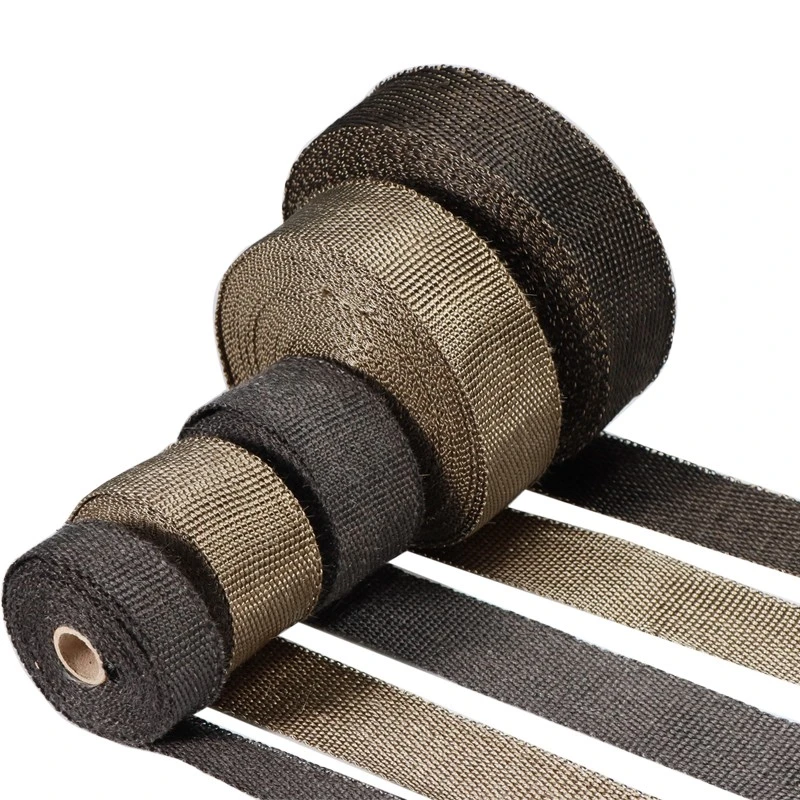
The Hidden Dangers of Fiberglass Exhaust Wrap on Street Vehicles
Unlike track cars that see limited miles, daily drivers accumulate heat cycles, moisture, road salt, and debris. Fiberglass Exhaust Wrap can trap these elements against metal surfaces, leading to accelerated corrosion, cracking, and even fire hazards in certain conditions.
| Risk Factor | Consequence for Daily Drivers | Severity Level |
|---|---|---|
| Moisture retention | Rust formation on mild steel headers within 6–12 months | High |
| Heat cycling stress | Exhaust pipe microfractures and weld failures | Medium |
| Oil/fuel absorption | Flammable residue buildup near hot surfaces | Critical |
| Wrapping errors | Localized overheating and pipe warping | Medium |
| Inspection blockage | Hidden leaks or damage go unnoticed for years | High |
Why Daily Drivers Suffer More Than Race Cars
Racing applications often remove exhaust wraps after each event or store vehicles in dry conditions. A daily driver faces rain, snow, car washes, and humidity. Once Fiberglass Exhaust Wrap gets wet, it can stay damp for hours or days. This prolonged contact with metal accelerates galvanic corrosion, especially on carbon steel or lower-grade stainless systems.
Fiberglass Exhaust Wrap FAQ – Common Questions
Q1: Can Fiberglass Exhaust Wrap cause my exhaust pipes to crack faster than unwrapped pipes?
A1: Yes, significantly. Fiberglass Exhaust Wrap creates uneven thermal gradients along the pipe. The wrapped section becomes extremely hot while adjacent unwrapped sections remain cooler. This temperature difference induces thermal expansion stress. Over thousands of daily driving miles, these repeated stresses lead to fatigue cracks, particularly at weld joints and flange connections. For daily drivers, some studies suggest cracking may appear in as little as 15,000 miles on thin-walled aftermarket headers.
Q2: Is it safe to drive through rain or snow with Fiberglass Exhaust Wrap installed?
A2: Not without serious precautions. When wet, Fiberglass Exhaust Wrap acts like a sponge, holding moisture against the exhaust for extended periods. Worse, if the wrap has absorbed oil, grease, or fuel from a minor leak, water does not wash it away—it can spread the flammable residue. During a subsequent drive, as the exhaust heats up, steam forms first, but once the wrap dries, the trapped contaminants can reach auto-ignition temperatures, potentially starting an undercarriage fire. J&W Automotive Parts strongly advises against wrapping exhausts on vehicles driven in wet climates.
Q3: How long will Fiberglass Exhaust Wrap last on a daily driver before needing replacement?
A3: Typically 12 to 24 months under normal street driving conditions. After this period, the fiberglass fibers begin breaking down from thermal cycling, vibration, and moisture. You will notice fraying edges, white powdery residue (leached binders), and a loose fit. Continuing to drive with degraded Fiberglass Exhaust Wrap increases fire risk and provides minimal heat protection. Replacement requires complete removal, which often damages the underlying exhaust coating or accelerates rust when the old wrap is peeled away. Many owners discover severe pitting or holes only after unwrapping.
Best Practices If You Still Choose to Wrap
For daily drivers that absolutely require heat management, J&W Automotive Parts recommends ceramic coating or exhaust shields instead. If you proceed with Fiberglass Exhaust Wrap, apply high-temperature silicone sealant over the wrap, inspect monthly for oil stains, and replace at the first sign of fraying.
Contact Us for Professional Exhaust Solutions
Do not let hidden risks compromise your daily driver’s safety and performance. J&W Automotive Parts offers expert guidance and premium heat management products tailored for real-world street use. Contact us today for a personalized consultation on protecting your exhaust system without the dangers of fiberglass wrap.