

What are the differences between copper and aluminum power cable for renewable energy systems
2026-05-20
When designing a solar farm or wind energy installation, choosing the right power cable directly impacts efficiency, cost, and longevity. Yilan has helped engineers worldwide compare copper and aluminum power cable solutions for renewable projects. Understanding their electrical, mechanical, and economic differences ensures optimal system performance.
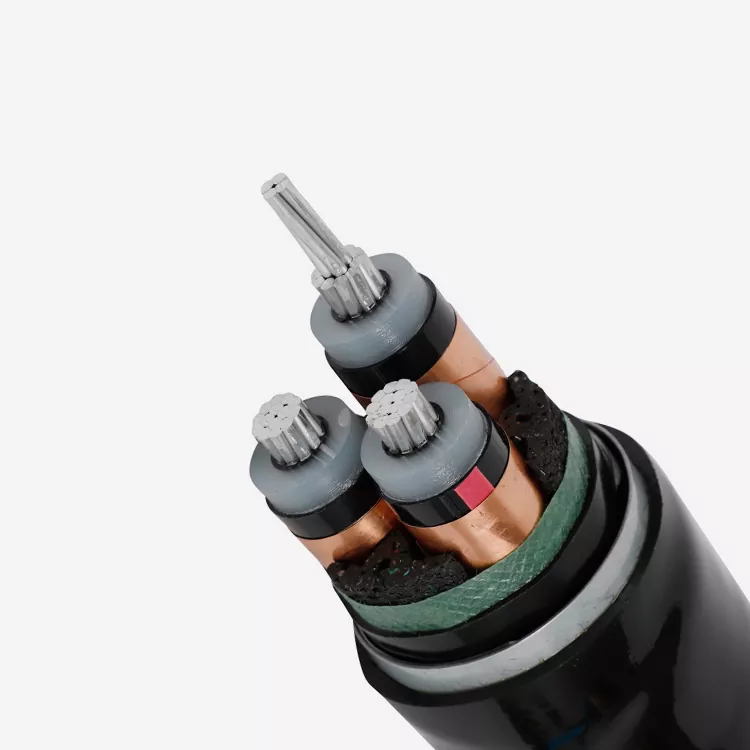
Key differences between copper and aluminum power cable
| Feature | Copper Power Cable | Aluminum Power Cable |
|---|---|---|
| Conductivity (% IACS) | 100% | 61% |
| Weight per meter | Heavier | 50% lighter |
| Tensile strength | Higher | Lower |
| Corrosion resistance | Excellent (in most soils) | Good (requires antioxidant) |
| Termination complexity | Standard lugs | Special torque and paste |
| Cost per ampacity | Higher initial | Lower material cost |
| Thermal expansion rate | Lower | 30% higher |
Why ampacity matters in renewable systems
For the same current rating, a copper power cable requires a smaller cross-section than aluminum. A 100A circuit needs 25mm² copper but 35mm² aluminum. However, aluminum's lightweight design reduces structural loads on solar trackers and wind turbine towers. Yilan recommends aluminum for long overhead runs and copper for compact, high-stress connections like inverter terminals.
Installation and termination considerations
Aluminum forms a non-conductive oxide layer. Installers must use antioxidant compounds and torque-rated tools. Copper's surface stays conductive naturally. Yilan offers pre-terminated copper power cable assemblies that cut field labor by 40% in utility-scale solar projects.
Cost and lifecycle analysis
Copper prices fluctuate but remain 3–4 times higher per ton than aluminum. A 500-meter power cable run using aluminum saves 60% on raw material. Yet copper's lower resistance reduces energy losses over 25 years. For a 10 MW solar plant, copper recoups the premium in 4–6 years through higher harvest efficiency.
Frequently Asked Questions about Power Cable for renewables
Question 1: Can I mix copper and aluminum power cable in the same renewable energy circuit?
Yes, but only using Yilan approved bi-metal connectors. Direct contact causes galvanic corrosion. Use tin-plated or aluminum-to-copper transition splices. Many wind turbine tower base connections combine an aluminum riser cable with copper jumper to the switchgear. Always derate the assembly by 15% unless using listed connectors.
Question 2: How does temperature affect copper versus aluminum power cable in solar farms?
Aluminum power cable has a higher thermal expansion coefficient. Under daily solar cycling (0°C night to 70°C day), aluminum connections loosen faster. Use belleville washers and retorque after 30 days. Copper maintains stable contact pressure. For floating solar farms, copper resists vibration fatigue better. Yilan publishes specific torque tables for both metals in our renewable energy catalog.
Question 3: Which power cable is more sustainable for large wind projects?
Aluminum power cable requires less mining energy per ampacity, but copper is infinitely recyclable without quality loss. Yilan life cycle assessments show aluminum has 40% lower carbon footprint for initial manufacture. However, copper's longer service life (40+ years vs. 30 for aluminum in salt spray environments) narrows the gap. For offshore wind, copper's corrosion margin justifies the premium.
Final selection framework
| Priority | Recommended Power Cable |
|---|---|
| Lowest initial budget | Aluminum |
| Longest service life | Copper |
| Lightest weight | Aluminum |
| Smallest bending radius | Copper |
| High vibration areas | Copper |
| Overhead long spans | Aluminum |
Yilan provides site-specific engineering reports comparing copper and aluminum power cable performance under your renewable project's actual load profiles, ambient temperatures, and installation constraints.
Contact us for a customized power cable selection guide for your solar, wind, or storage system. Our engineers deliver ampacity calculations, termination drawings, and lifecycle cost models within 24 hours. Reach Yilan today to secure your renewable energy infrastructure.