

How to Properly Size and Install PV Cable for a Residential Solar System
2025-12-16
Planning a home solar installation involves more than just panels and inverters. A critical, yet often overlooked, component is the PV Cable. Properly sizing and installing this cable is essential for safety, efficiency, and the long-term reliability of your system. At Paidu, we specialize in manufacturing high-performance solar cables designed to meet the rigorous demands of residential applications. This guide will walk you through the key considerations.
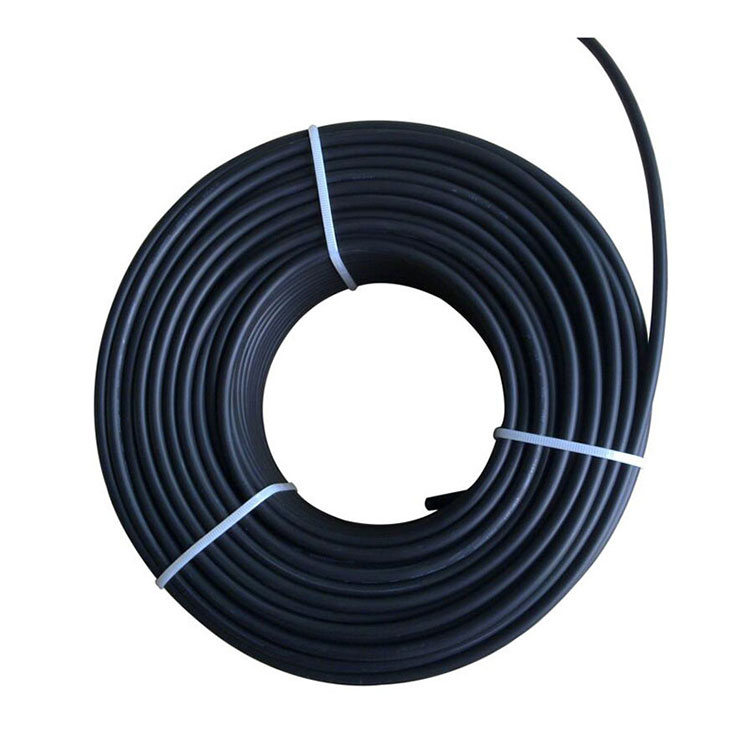
Sizing Your PV Cable: The Fundamentals
Correct cable sizing minimizes power loss and prevents overheating. Two primary factors determine the right size:
-
Current (Amperage): Calculate the maximum current from your solar array. Always use the short-circuit current (Isc) and apply a safety factor (typically 1.25).
-
Voltage Drop: Limit the voltage drop between panels and inverter to less than 2-3%. Longer cable runs require larger diameters.
For a standard residential system, Paidu PV Cable in 10 AWG or 12 AWG is common. Use the table below as a quick reference guide based on Paidu's product specifications:
| System Current (Max) | Recommended Paidu PV Cable Size | Max Recommended Run (for <3% drop at 30V DC) |
|---|---|---|
| Up to 20A | 12 AWG / 4mm² | 20 feet / 6 meters |
| 20A - 30A | 10 AWG / 6mm² | 25 feet / 7.6 meters |
| 30A - 40A | 8 AWG / 10mm² | 30 feet / 9 meters |
Note: Always consult local codes and a qualified installer for final design.
Installation Best Practices with Paidu Cables
Once sized correctly, proper installation ensures durability:
-
Use Dedicated Components: Only use PV Cable listed to UL 4703 or equivalent. Paidu cables exceed this standard with superior insulation.
-
Sunlight & Weather Resistance: Our Paidu PV Cable features cross-linked polyethylene (XLPO) insulation for excellent UV, ozone, and temperature resistance (-40°C to 90°C).
-
Secure Routing: Use UV-resistant cable ties and conduit where exposed. Avoid sharp bends.
-
Proper Connections: Use compatible, certified MC4 connectors. Ensure all connections are tight and protected from the elements.
PV Cable FAQ
Q: Can I use regular electrical wire instead of dedicated PV Cable for my solar panels?
A: No, this is unsafe and non-compliant. Standard wire lacks the UV, ozone, and high-temperature resistance of certified PV Cable. Paidu cables are engineered for decades of outdoor exposure, preventing insulation cracking and potential fire hazards.
Q: How often should I inspect the PV Cable in my home system?
A: A visual inspection at least once a year is recommended. Look for any signs of wear, animal damage, cracking, or discoloration in the insulation. High-quality cables like those from Paidu are designed for minimal maintenance, but regular checks are crucial for safety.
Q: Are all PV Cables and connectors compatible?
A: Not always. While MC4 is a standard, mixing brands can sometimes lead to poor seals or connection issues. For optimal performance and warranty support, we recommend using a complete Paidu system, where our cables and connectors are tested for perfect compatibility and waterproof integrity.
Conclusion
Choosing the right PV Cable and installing it correctly is a vital investment in your solar system's future. By focusing on proper sizing, adhering to installation standards, and selecting durable, certified products like those from Paidu, you ensure maximum energy harvest and peace of mind for years to come.
Ready to power your home with confidence? Contact us today to discuss your project requirements or to learn more about the full Paidu solar wiring system portfolio. Let our expertise guide you to a safer, more efficient installation.