

How Mechanically Resistant Cables Enhance Safety and Efficiency in Industrial Applications?
2026-05-09
Abstract: Mechanically resistant cables are engineered to withstand physical stress, extreme temperatures, and harsh environmental conditions, ensuring uninterrupted performance in critical industrial applications. This article explores their construction, benefits, applications, and selection guidelines to help businesses make informed decisions, reduce maintenance costs, and enhance operational safety.
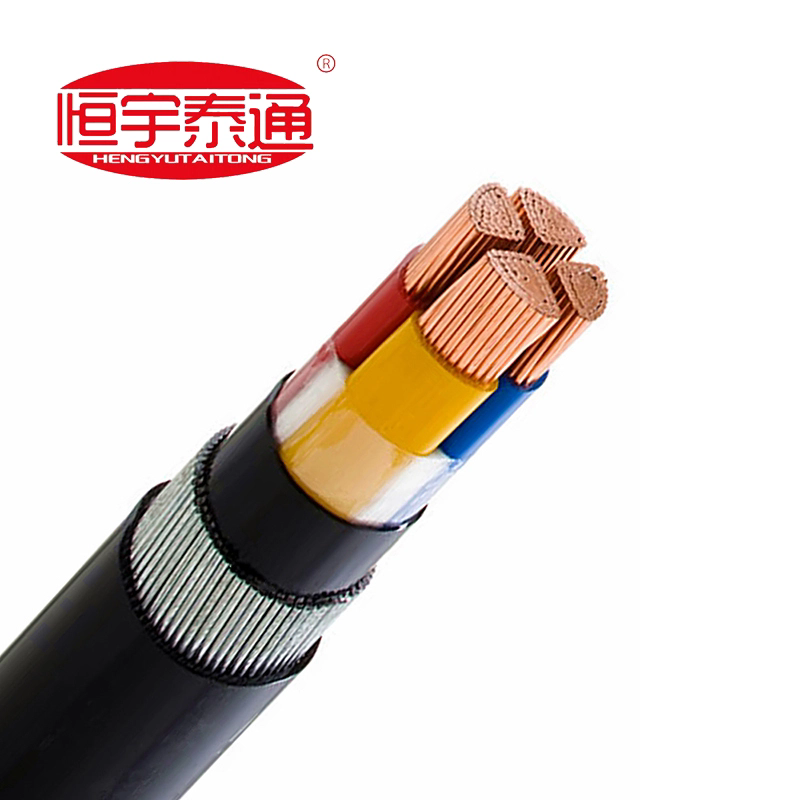
Table of Contents
- What Are Mechanically Resistant Cables?
- How Do Mechanically Resistant Cables Work?
- Why Mechanically Resistant Cables Are Essential?
- Types of Mechanically Resistant Cables
- Selection Guidelines for Industrial Use
- FAQ
What Are Mechanically Resistant Cables?
Mechanically resistant cables are specialized electrical cables designed to resist physical damage caused by abrasion, impact, crushing, or tensile stress. Unlike standard cables, they incorporate reinforced materials such as steel wire armor, robust polymer sheaths, and tightly twisted conductors to maintain performance even under extreme conditions.
These cables are widely used in industries where durability and reliability are paramount, such as manufacturing, construction, mining, and energy transmission.
How Do Mechanically Resistant Cables Work?
The functionality of mechanically resistant cables relies on a combination of engineered design elements:
- Reinforced Sheathing: Provides protection against cuts, abrasion, and chemical exposure.
- Armored Layers: Steel or aluminum armoring adds mechanical strength, preventing crushing or rodent damage.
- High-Quality Conductors: Copper or aluminum conductors ensure efficient energy transmission even under stress.
- Insulation Materials: Thermoset or thermoplastic materials offer resistance to heat, cold, and moisture.
By combining these features, mechanically resistant cables deliver consistent electrical performance while extending service life and reducing maintenance requirements.
Why Mechanically Resistant Cables Are Essential?
Mechanically resistant cables are critical for industrial safety and operational efficiency. The key benefits include:
| Benefit | Explanation |
|---|---|
| Durability | Withstand heavy mechanical stress without compromising performance. |
| Safety | Reduce the risk of electrical hazards caused by cable damage or short circuits. |
| Cost Efficiency | Lower replacement and maintenance costs due to extended lifespan. |
| Reliability | Ensure uninterrupted operation in critical systems. |
Industries such as oil and gas, transportation, and manufacturing heavily rely on mechanically resistant cables to maintain smooth operations and comply with safety regulations.
Types of Mechanically Resistant Cables
Mechanically resistant cables come in various designs to suit different applications:
- Armored Power Cables: Provide high mechanical protection for power distribution in industrial plants.
- Control Cables: Reinforced for harsh environments, used in automation and control systems.
- Instrumentation Cables: Resistant to crushing and bending, ideal for data and signal transmission.
- Flexible Cables: Engineered for mobile equipment and robotics where movement is constant.
Selection Guidelines for Industrial Use
Selecting the right mechanically resistant cable depends on several factors:
- Environmental Conditions: Consider temperature extremes, moisture, chemicals, and UV exposure.
- Mechanical Stress: Identify potential risks like impact, abrasion, crushing, or tension.
- Electrical Requirements: Ensure cable ratings match voltage, current, and frequency needs.
- Regulatory Standards: Verify compliance with industry standards such as IEC, UL, or local codes.
- Installation Method: Decide between direct burial, tray mounting, or conduit installation.
Taitong Wire & Cable Co., Ltd. offers a wide range of mechanically resistant cables designed to meet these demanding requirements, providing solutions that maximize reliability and safety.
FAQ
Q1: Can mechanically resistant cables be used outdoors?
A1: Yes, these cables are designed with protective sheathing and armor to withstand outdoor environmental factors including UV, rain, and temperature fluctuations.
Q2: How long do these cables last compared to standard cables?
A2: With proper installation and operating conditions, mechanically resistant cables can last several decades, significantly longer than standard cables.
Q3: Are these cables flexible for mobile equipment?
A3: Yes, flexible versions are available, specifically designed to maintain mechanical resistance while allowing bending and movement.
Q4: Do they require special installation tools?
A4: Most mechanically resistant cables can be installed using standard industrial tools, although armored types may require specialized cutting and stripping equipment.
For companies looking to enhance safety, reliability, and efficiency in demanding environments, Taitong Wire & Cable Co., Ltd. provides high-quality mechanically resistant cables that meet rigorous industrial standards. Contact us today to discuss your specific requirements and get a tailored solution for your project.