

How Flame Retardant Wire Reduces Fire Risks in Homes and Industrial Systems?
2025-11-17
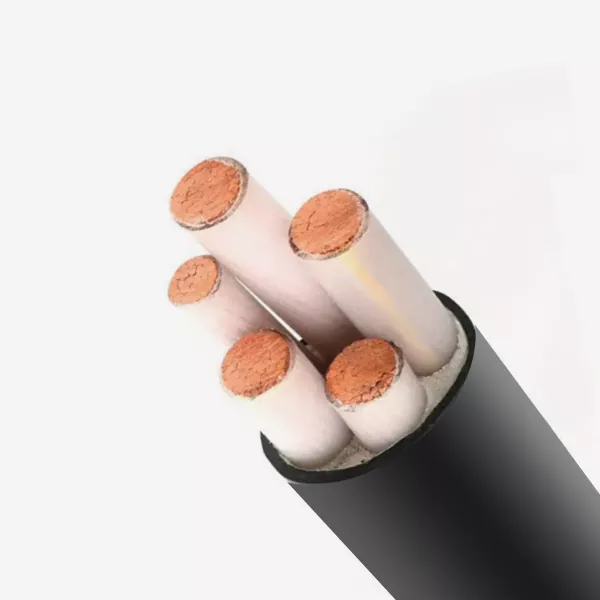
When I first joined Yilan, one of the earliest lessons I learned was how critical high-quality Flame Retardant Wire is in preventing electrical fires. Over the years working with customers from both residential and industrial sectors, I’ve seen many cases where unstable wiring, poor insulation, or non-certified cables caused dangerous overheating. This is why we focus heavily on materials, structure, and safety ratings—so that every customer can feel confident about long-term reliability.
Why Do Electrical Systems Fail More Easily Without Flame-Retardant Protection?
From my field experience, most fire incidents share three common pain points:
-
Wires using low-grade PVC or recycled insulation that melts quickly
-
Overloading in industrial systems that exposes weaknesses in conductor purity
-
Aging installations where cables cannot withstand temperature cycles
Flame retardant wire directly addresses these problems by slowing down combustion, preventing flame spread, and maintaining insulation integrity even at high temperatures.
How Does Flame Retardant Wire Protect Homes and Industrial Sites?
Here are the mechanisms that truly make a difference:
-
Self-extinguishing insulation reduces the chance of flame propagation
-
High-temperature resistance ensures stable performance even under overload
-
Low-smoke and low-toxicity materials provide safer evacuation environments
-
Enhanced dielectric strength protects equipment from short-circuit damage
For homeowners, this means a safer electrical system behind the walls.
For factories, this reduces downtime, protects equipment, and ensures compliance with safety audits.
What Key Product Parameters Should Customers Pay Attention to?
Based on years of helping clients select the right cable, the most essential parameters include:
1. Conductor Specifications
-
High-purity oxygen-free copper
-
Solid or stranded conductor options
-
Cross-section sizes from 0.5mm² to 240mm²
2. Insulation Materials
-
PVC flame-retardant grade (FT1/FT2/FT4 depending on local standards)
-
XLPE high-temperature insulation optional
-
Low-smoke halogen-free versions available for industrial safety systems
3. Working Temperature Range
-
Standard: −15°C to +70°C
-
Enhanced: up to +105°C continuous operation
4. Voltage Rating
-
300/500V for household circuits
-
450/750V or higher for industrial panels and control systems
What Are the Detailed Specifications of Yilan Flame Retardant Wire?
Below is a simplified spec table I often share with customers who want to compare models quickly:
| Parameter | Yilan Standard Model | Yilan Industrial Model |
|---|---|---|
| Conductor Material | 99.97% Oxygen-Free Copper | 99.97% Oxygen-Free Copper |
| Insulation Type | PVC Flame-Retardant FT1 | LSZH or XLPE Flame-Retardant |
| Temperature Rating | −15°C to +70°C | −40°C to +105°C |
| Voltage Rating | 300/500V | 450/750V |
| Smoke Level | Standard | Low-Smoke / Zero-Halogen |
| Applications | Home wiring, lighting, appliances | Motors, control cabinets, power distribution |
How Can Customers Choose the Right Model for Their Project?
Whenever clients ask me this, I guide them using a quick selection framework:
-
For home renovation → Choose standard FT1 PVC flame retardant wire
-
For public buildings → Choose LSZH for low-smoke requirements
-
For heavy-load equipment → Choose XLPE insulation for high temperature
-
For long-distance cable runs → Choose larger conductor cross-sections
-
For dusty or high-humidity factories → Choose moisture-resistant models
The goal is always the same: match safety, performance, and budget without compromising reliability.
What Fire-Safety Benefits Do Customers Notice After Upgrading?
From real customer feedback, here are the improvements people report:
-
Electrical panels run cooler
-
Fewer insulation failures during peak hours
-
Longer maintenance cycles
-
Improved compliance during government safety inspections
-
Reduced risk of arc faults and short circuits
These benefits ultimately translate into peace of mind—something every homeowner and business owner values.
How Can You Reach Us for Technical Consultation or A Quick Quotation?
If you’re planning a home upgrade or need safer wiring solutions for an industrial project, our team at Yilan is ready to help. I can provide detailed recommendations, samples, and pricing based on your application.
Feel free to contact us or send an inquiry anytime—we will respond quickly and support your project from start to finish.