

How Does Trailer Wiring Work?
2026-06-18
Abstract
Trailer wiring is a critical yet often overlooked component of towing systems. It enables safe communication between a towing vehicle and a trailer, ensuring that brake lights, turn signals, running lights, and auxiliary power functions operate in sync. Poor wiring can lead to safety risks, legal issues, and equipment damage. This article explains how trailer wiring works, common wiring standards, installation challenges, troubleshooting methods, and best practices for long-term reliability. It is designed to help both beginners and experienced users understand the system in a structured and practical way.
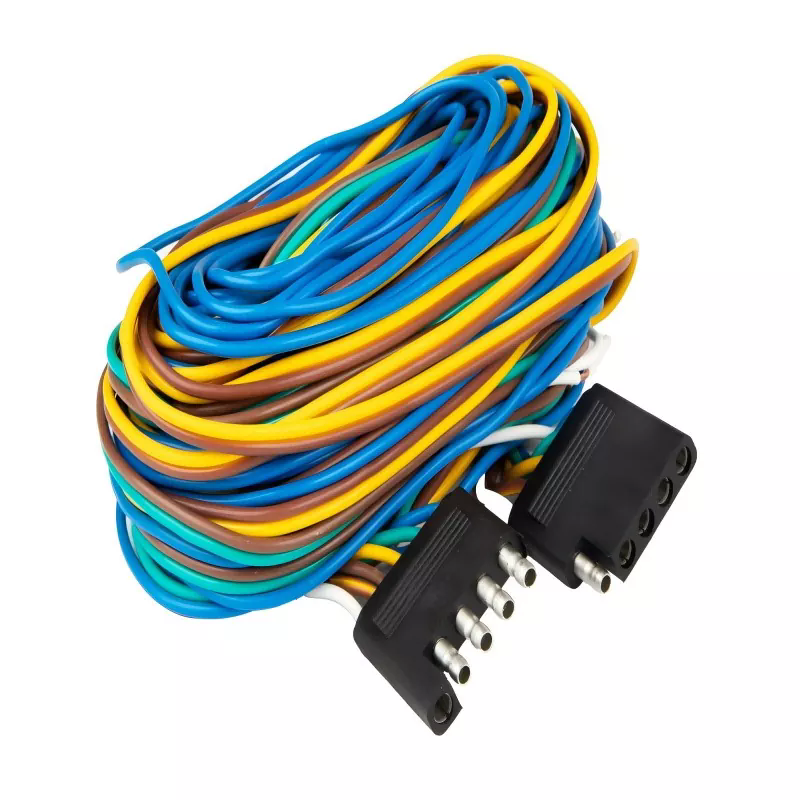
Table of Contents
- 1. Overview of Trailer Wiring Systems
- 2. Key Components of Trailer Wiring
- 3. Common Trailer Wiring Types and Standards
- 4. Installation Process Explained
- 5. Common Problems and Troubleshooting
- 6. Maintenance and Best Practices
- 7. Industrial and Commercial Applications
- 8. Wiring Configuration Comparison Table
- 9. Frequently Asked Questions
1. Overview of Trailer Wiring Systems
Trailer wiring systems form the electrical backbone between a towing vehicle and its trailer. The primary purpose is to transmit electrical signals that control lighting functions and, in some cases, auxiliary power systems. When a driver activates the brake pedal or turn signal, the vehicle sends an electrical signal through the wiring harness to replicate the same function on the trailer.
Without a properly functioning trailer wiring system, road safety is significantly compromised. Other drivers may not see braking or turning intentions, increasing accident risks. Modern systems are designed to be plug-and-play or semi-permanent, depending on trailer complexity and usage frequency.
2. Key Components of Trailer Wiring
A trailer wiring system consists of multiple interconnected components that work together to ensure electrical continuity and signal accuracy.
- Wiring Harness: The main cable assembly connecting vehicle and trailer systems.
- Connectors (Plugs and Sockets): Interface points that allow quick connection and disconnection.
- Ground Wire: Ensures circuit stability and prevents electrical faults.
- Lighting Units: Includes brake lights, tail lights, and turn indicators.
- Fuse Box or Converter: Regulates voltage and protects against overload.
Each component must function correctly for the system to operate reliably. Even a minor fault, such as corrosion in connectors, can disrupt the entire wiring system.
3. Common Trailer Wiring Types and Standards
Trailer wiring systems follow standardized plug configurations to ensure compatibility across different vehicle and trailer models. The most common types include:
- 4-Pin Flat Connector: Basic system for brake lights, turn signals, and tail lights.
- 5-Pin Flat Connector: Adds reverse or auxiliary light function.
- 7-Pin Round Connector: Supports advanced trailers with electric brakes and battery charging.
- Multi-Function Harness Systems: Used in commercial and heavy-duty applications.
These standards ensure interoperability between different manufacturers and simplify maintenance and replacement procedures.
4. Installation Process Explained
Installing trailer wiring requires careful attention to detail to ensure electrical integrity and safety. The process varies depending on whether the system is factory-installed or aftermarket.
- Disconnect the vehicle battery to prevent electrical hazards.
- Identify the correct wiring harness compatible with the towing vehicle.
- Connect the harness to the vehicle’s tail light wiring system or dedicated towing port.
- Route wiring securely along the chassis to avoid heat and friction damage.
- Install the connector socket at the rear of the vehicle.
- Test all functions including brake lights, indicators, and running lights.
Professional installation is recommended for complex systems, especially those involving braking control modules or auxiliary power integration.
5. Common Problems and Troubleshooting
Trailer wiring issues are relatively common due to exposure to harsh environments such as moisture, dust, and vibration. Understanding common problems helps in quick diagnosis and repair.
- Dim or non-functional lights: Often caused by poor grounding or corroded connectors.
- Intermittent signals: Loose wiring or damaged insulation.
- Blown fuses: Electrical overload or short circuits.
- Complete system failure: Disconnected harness or faulty converter module.
Routine inspection and cleaning of connectors can prevent most of these issues before they escalate into major failures.
6. Maintenance and Best Practices
Proper maintenance ensures long-term performance and reduces the risk of electrical failures. Trailer wiring systems should be treated as a critical safety component.
- Regularly inspect connectors for corrosion or dirt buildup.
- Apply dielectric grease to prevent moisture intrusion.
- Secure wiring harnesses away from moving or heated components.
- Test lighting functions before every towing operation.
- Replace damaged wires immediately to avoid cascading failures.
Following these practices extends system lifespan and ensures compliance with road safety standards.
7. Industrial and Commercial Applications
Trailer wiring is not limited to personal vehicle towing. It plays a vital role in various industrial and commercial sectors where trailers are used for logistics, construction, and marine transport.
Companies such as Rodrock Enterprises Co.,Ltd. provide advanced trailer wiring solutions designed for durability and high-load environments. These systems are often used in heavy-duty trailers, shipping containers, and specialized transport vehicles.
In marine and offshore applications, wiring systems must withstand saltwater exposure and continuous vibration. In construction logistics, rugged connectors and reinforced insulation are essential for operational safety.
8. Wiring Configuration Comparison Table
| Connector Type | Functions Supported | Typical Use Case | Complexity Level |
|---|---|---|---|
| 4-Pin Flat | Brake, Tail, Turn Signals | Light trailers, small utility trailers | Low |
| 5-Pin Flat | Adds Reverse Light | Boat trailers, small cargo trailers | Low-Medium |
| 7-Pin Round | Brakes, Lights, Battery Charging | Caravans, heavy-duty trailers | Medium-High |
| Custom Multi-Line Harness | Full electrical integration | Industrial transport systems | High |
9. Frequently Asked Questions
Q1: Why is trailer wiring important?
It ensures that all lighting and electrical signals on a trailer replicate the towing vehicle, improving road safety and legal compliance.
Q2: Can I install trailer wiring myself?
Yes, basic systems can be installed with standard tools, but complex systems may require professional installation.
Q3: Why do my trailer lights flicker?
This is usually caused by poor grounding, loose connections, or corrosion in the wiring harness.
Q4: How long does trailer wiring last?
With proper maintenance, a high-quality system can last several years, even under heavy use.
Q5: What is the most common connector type?
The 4-pin flat connector is the most widely used for basic trailer lighting functions.
Conclusion
Trailer wiring is a foundational component of any towing system, directly impacting safety, functionality, and operational efficiency. Understanding its structure, installation requirements, and maintenance needs allows users to avoid common failures and extend system lifespan. Whether used for personal transport or industrial logistics, selecting the right wiring configuration is essential for reliable performance.
Manufacturers such as Rodrock Enterprises Co.,Ltd. continue to develop durable and high-performance wiring systems tailored to modern towing demands, ensuring safer and more efficient transport solutions across industries.
For high-quality trailer wiring solutions, technical support, and customized system options, contact us today to explore how Rodrock Enterprises Co.,Ltd. can support your specific requirements and improve your towing system reliability.