

How Does the Structural Layout of a Substation Impact Transformer Maintenance and Accessibility
2026-05-21
When designing a Substation Structure for Electric Transformer, the arrangement of equipment, pathways, and support systems directly determines how efficiently maintenance crews can operate. At Mao Tong, we have seen how poor layout choices lead to increased downtime, safety risks, and higher long-term costs. A well-planned Substation Structure for Electric Transformer ensures that every component remains reachable, serviceable, and replaceable without unnecessary disruption.
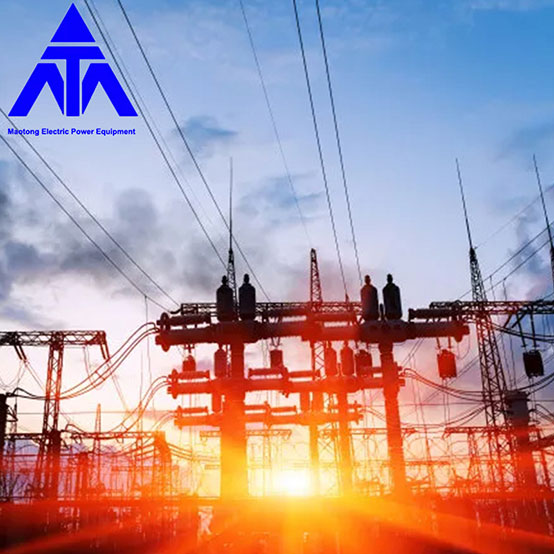
Key Impacts of Structural Layout on Maintenance
The physical configuration of a substation influences three main areas: access for heavy equipment, clearance for live-line work, and modular replacement of transformer components. The table below summarizes common layout-related challenges and Mao Tong engineered solutions.
| Layout Factor | Maintenance Challenge | Mao Tong Design Solution |
|---|---|---|
| Transformer positioning | Limited crane access for bushing or radiator replacement | Dedicated lifting zones with reinforced hardstand areas |
| Aisle width | Cannot move oil filtration trucks close to valve points | Minimum 5-meter maintenance corridors aligned with transformer bays |
| Cable trench routing | Obstructed access to low-voltage bushings and junction boxes | External trenches with removable covers placed outside transformer drip zone |
| Clearance from walls | Difficult to perform core or winding checks on large units | Minimum 2-meter rear and side clearances specified in every Substation Structure for Electric Transformer |
Three Essential Layout Strategies for Superior Accessibility
-
Zone-based segregation separates live parts from maintenance corridors. Mao Tong implements color-coded ground markings that guide crews while keeping safe distances from energized terminals.
-
Removable gantry systems allow overhead lifting without permanent crane structures. This reduces initial cost and preserves full accessibility for transformer tank lifts.
-
Modular busbar supports enable selective disconnection without dismantling adjacent phases. When integrated into a Substation Structure for Electric Transformer, this cuts isolation time by nearly 40%.
FAQ: Common Questions About Substation Structure for Electric Transformer
Q1: What minimum clearance is required around a transformer to allow safe maintenance of bushings and radiators?
A1: According to Mao Tong field standards and IEC 61936, a minimum of 3 meters of unobstructed space is required on the front side (where bushings and control cabinets are located) and 2 meters on the remaining sides. For transformers rated above 100 MVA, front clearance should increase to 4.5 meters to accommodate hot oil processing trucks and mobile lifting equipment. Additionally, overhead clearance must be at least 6 meters above the highest bushing terminal to allow boom lifts or portable gantries to operate safely.
Q2: How does the structural layout affect transformer oil containment and emergency spill response?
A2: The Substation Structure for Electric Transformer must integrate oil containment pits directly beneath the transformer footprint, with drainage leading to a separated oil-water separator. If the structural layout places transformer foundation pits too far from bund walls or containment basins, gravity drainage fails and pumps become necessary during a leak. Mao Tong designs every substation with a minimum 0.5% slope from transformer pad to collection sump, ensuring that any spill reaches the separator within 2 minutes. This layout also keeps maintenance walkways clear of oil hazards.
Q3: Can a compact substation structure still provide good accessibility for transformer core and winding inspections?
A3: Yes, but only if the Substation Structure for Electric Transformer incorporates removable wall panels or sliding roof sections directly above the tank manholes. Mao Tong has developed compact urban substation designs where the transformer cell includes a detachable front beam and a portable rail system. These allow the entire active part (core and windings) to be extracted horizontally without removing the tank from its foundation. In such layouts, the minimum access width is reduced to 2.8 meters, compared to 4.5 meters needed for conventional top-lift designs, while maintaining full inspection capability.
Optimizing Existing Substations for Better Maintainability
For retrofit projects, Mao Tong recommends conducting a maintainability audit of the existing Substation Structure for Electric Transformer. Priority modifications include widening gates, relocating grounding mats away from access paths, and adding intermediate disconnecting points. These low-structural changes yield immediate improvements in work crew safety and job completion speed.
Contact Us
Does your current Substation Structure for Electric Transformer limit maintenance access or create unsafe working conditions Mao Tong specializes in structural redesigns that prioritize serviceability without compromising electrical clearance or seismic performance. Reach out to our engineering team today for a layout assessment and customized accessibility upgrade plan.