
How Does Teflon Insulated Wire Improve Safety and Performance in Electrical Systems?
2026-06-17
Abstract
Teflon Insulated Wire is widely recognized as a high-performance electrical conductor designed for demanding environments where heat resistance, chemical stability, and electrical reliability are critical. This article explains how Teflon (PTFE) insulation enhances wire performance, reduces failure risks, and supports modern industrial applications. It also addresses common buyer concerns such as temperature limits, durability expectations, and application suitability. Whether used in aerospace systems, industrial automation, medical devices, or high-frequency electronics, understanding the advantages and limitations of this material helps engineers and procurement specialists make informed decisions.
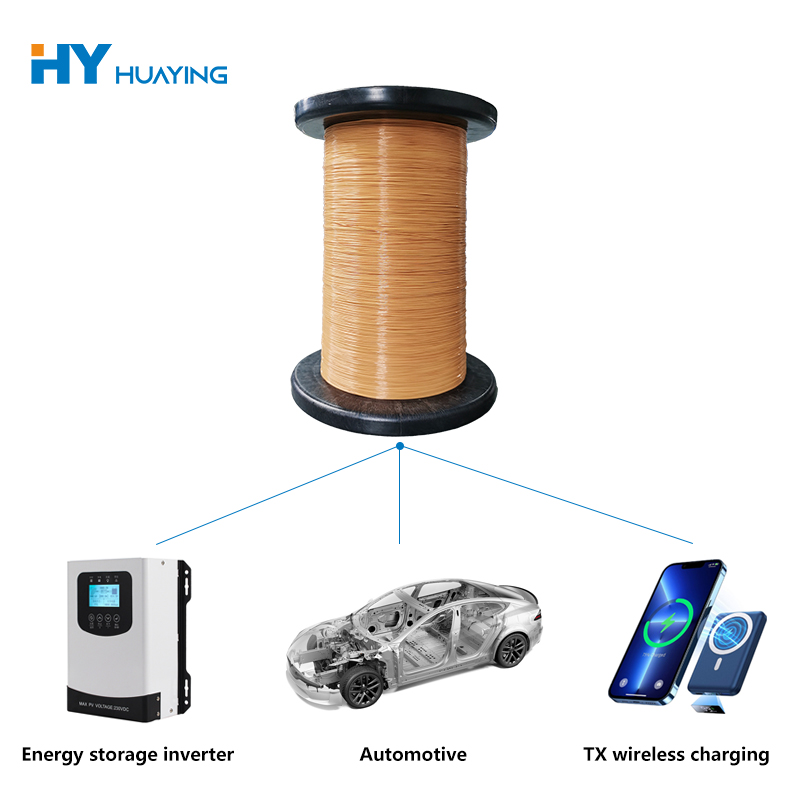
Table of Contents
- 1. Overview of Teflon Insulated Wire
- 2. Key Material Properties and Advantages
- 3. Industrial Applications and Use Cases
- 4. Comparison with Other Insulation Materials
- 5. How to Choose the Right Teflon Insulated Wire
- 6. Installation and Handling Considerations
- 7. Common Problems and How to Avoid Them
- 8. Future Trends in High-Performance Wiring
- 9. Frequently Asked Questions
- 10. Conclusion
1. Overview of Teflon Insulated Wire
Teflon Insulated Wire uses polytetrafluoroethylene (PTFE) as its primary insulation material. PTFE is a fluoropolymer known for its exceptional thermal stability and chemical inertness. Unlike conventional PVC or rubber-based insulation, Teflon maintains performance under extreme conditions, making it suitable for aerospace, defense, and precision electronics industries.
The core conductor is typically made of copper, silver-plated copper, or nickel-coated copper, depending on conductivity and environmental requirements. The PTFE layer provides a protective barrier that ensures signal integrity and prevents breakdown in harsh conditions.
2. Key Material Properties and Advantages
The performance advantages of Teflon Insulated Wire come directly from its molecular structure. PTFE has a very low coefficient of friction, high dielectric strength, and resistance to almost all industrial chemicals.
- High Temperature Resistance: Operates continuously between -60°C and +200°C without degradation.
- Chemical Resistance: Resistant to oils, acids, and solvents.
- Electrical Stability: Excellent dielectric properties ensure low signal loss.
- Non-flammability: Does not support combustion, improving system safety.
- Mechanical Stability: Maintains flexibility under thermal stress.
These characteristics make it especially useful in environments where conventional insulation materials fail prematurely.
| Property | Teflon (PTFE) | PVC | Silicone Rubber |
|---|---|---|---|
| Max Temperature | ~200°C | ~105°C | ~180°C |
| Chemical Resistance | Excellent | Moderate | Good |
| Dielectric Strength | Very High | Moderate | High |
| Flame Resistance | Non-flammable | Flammable | Self-extinguishing |
3. Industrial Applications and Use Cases
Teflon Insulated Wire is not a general-purpose wiring solution; it is engineered for specialized industries where reliability is non-negotiable.
- Aerospace Systems: Used in avionics and flight control systems requiring thermal and vibration resistance.
- Medical Equipment: Ensures stable performance in diagnostic and surgical devices.
- Industrial Automation: Suitable for robotics and high-temperature manufacturing lines.
- Telecommunications: Maintains signal clarity in high-frequency transmission.
- Automotive Electronics: Used in engine compartments and sensor systems.
In each of these environments, wire failure can lead to significant operational risks. The reliability of PTFE insulation minimizes downtime and maintenance costs.
4. Comparison with Other Insulation Materials
Understanding how Teflon compares with other materials helps engineers evaluate cost versus performance trade-offs.
| Material | Strength | Weakness | Best Use Case |
|---|---|---|---|
| Teflon (PTFE) | Extreme heat and chemical resistance | Higher cost | Aerospace, medical, industrial systems |
| PVC | Low cost, easy processing | Low temperature tolerance | Household wiring |
| Silicone | Flexible and heat resistant | Lower abrasion resistance | Flexible electronics |
5. How to Choose the Right Teflon Insulated Wire
Selecting the correct wire specification requires careful evaluation of operational conditions. Engineers should consider the following factors:
- Temperature range: Ensure compatibility with continuous operating conditions.
- Voltage rating: Match insulation thickness with electrical load.
- Environmental exposure: Consider chemicals, moisture, and mechanical stress.
- Flexibility requirements: Determine whether static or dynamic applications are needed.
- Certification standards: Verify compliance with industry safety requirements.
A proper selection process reduces long-term maintenance costs and enhances system reliability.
6. Installation and Handling Considerations
Although Teflon Insulated Wire is durable, improper handling can still lead to performance degradation. Due to PTFE’s low friction surface, it may be more slippery during installation compared to PVC wires.
- Avoid sharp bending beyond recommended radius.
- Use appropriate stripping tools to prevent conductor damage.
- Ensure clean termination points to maintain conductivity.
- Store in dry environments away from excessive mechanical load.
Proper installation practices ensure that the wire maintains its full operational lifespan.
7. Common Problems and How to Avoid Them
While highly reliable, Teflon Insulated Wire can still face issues if improperly specified or installed.
- Over-specification costs: Using PTFE where PVC is sufficient increases unnecessary expenses.
- Mechanical stress damage: Excessive pulling can weaken insulation integrity.
- Incorrect termination: Poor crimping leads to resistance and heat buildup.
These issues are typically avoidable through proper engineering assessment and supplier consultation.
8. Future Trends in High-Performance Wiring
The demand for high-performance insulation materials continues to grow alongside advancements in aerospace, renewable energy, and electric mobility. Teflon Insulated Wire is expected to evolve with improved hybrid coatings, thinner insulation layers, and enhanced flexibility without compromising dielectric strength.
Manufacturers are also focusing on sustainability and improved production efficiency to meet global environmental expectations while maintaining performance standards.
9. Frequently Asked Questions
Q1: What makes Teflon Insulated Wire different from regular wire?
It uses PTFE insulation, which provides superior heat resistance, chemical stability, and electrical performance compared to standard materials.
Q2: Can it be used in household wiring?
It is generally not necessary for residential use due to higher cost and overperformance for standard conditions.
Q3: Is it flexible?
Yes, it remains flexible across a wide temperature range, although it is less elastic than silicone.
Q4: How long does it last?
Under proper conditions, it can last significantly longer than conventional insulated wires due to its chemical stability.
10. Conclusion
Teflon Insulated Wire is a premium solution engineered for environments where performance failure is not an option. Its combination of thermal resistance, chemical inertness, and electrical stability makes it indispensable in advanced industries. While it may come at a higher cost compared to conventional alternatives, the long-term benefits in safety, reliability, and maintenance reduction justify its adoption in critical systems.
For high-quality manufacturing and customized solutions, Huizhou Huaying Electronic Technology Co., Ltd provides professional-grade Teflon Insulated Wire designed to meet demanding industrial requirements.
If you are looking for reliable supply, technical support, or tailored specifications, feel free to contact us today to discuss your project needs and get expert assistance.