
How Does Moisture Resistance Differ Between XLPE And PVC Insulated Aluminum Power Cables
2026-01-26
When specifying an XLPE PVC Aluminum Power Cable, understanding the inherent moisture resistance of each insulation material is crucial for long-term reliability and safety. The choice between cross-linked polyethylene (XLPE) and polyvinyl chloride (PVC) directly impacts the cable's performance in damp or wet environments. At Yilan, we prioritize engineering cables that deliver unwavering performance, and a key part of that is selecting the right insulation for the application's environmental challenges.
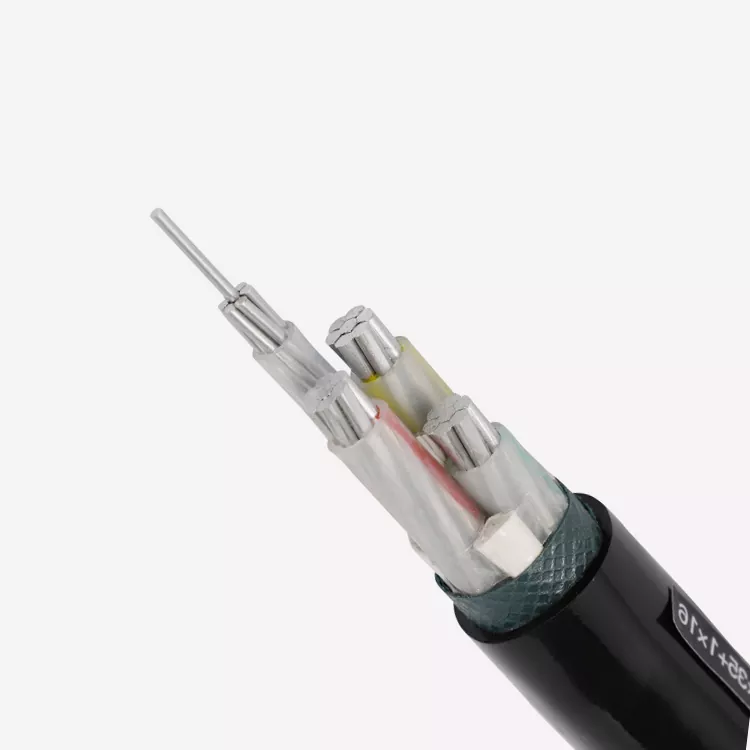
Fundamentally, XLPE and PVC possess different molecular structures that dictate their behavior against moisture.
-
XLPE Insulation: This material is known for its excellent moisture resistance. The cross-linking process creates a three-dimensional network of polymer chains, resulting in a dense, non-thermoplastic material. This structure presents a formidable barrier, minimizing water vapor transmission and preventing the formation of water trees—a common cause of long-term insulation failure in moist conditions.
-
PVC Insulation: While PVC offers good general chemical resistance, its moisture resistance is inferior to XLPE. PVC is a thermoplastic material that can be more permeable to moisture vapor over time, especially under sustained thermal cycling or higher temperatures.
The following table summarizes the key comparative points:
| Property | XLPE Insulated Aluminum Cable | PVC Insulated Aluminum Cable |
|---|---|---|
| Moisture Resistance | Excellent, low permeability | Good, but more permeable than XLPE |
| Response to Moisture | Highly resistant to water treeing | Prone to plasticizer leaching in water |
| Operating Temperature | Higher (typically up to 90°C) | Lower (typically up to 70°C) |
| Effect of Heat & Moisture | Maintains properties | Softens; properties can degrade |
XLPE PVC Aluminum Power Cable FAQ
Q: Can PVC insulated aluminum cables be used for direct burial or in wet locations?
A: It is generally not recommended. Standard PVC insulation can absorb moisture over time, which may lead to degradation of insulation properties and potential failure. For such applications, Yilan specifically recommends XLPE insulated aluminum cables which are designed for superior performance in wet and damp environments.
Q: Why does XLPE have better long-term stability in humid conditions compared to PVC?
A: The superiority stems from its cross-linked structure and the absence of migrating additives. XLPE's stable network resists water ingress and the electrochemical phenomenon known as water treeing, which can slowly erode insulation. PVC contains plasticizers that can be extracted by continuous water exposure, gradually making the insulation brittle.
Q: For an industrial application with occasional hose-downs, which cable type is more suitable?
A: An XLPE PVC Aluminum Power Cable with XLPE insulation is the more robust and durable choice. Its inherent moisture resistance ensures that incidental water exposure or high ambient humidity will not compromise the cable's insulation integrity or lifespan, providing a more reliable and maintenance-free solution.
Choosing the right cable insulation is a critical engineering decision. For projects where exposure to moisture, humidity, or variable weather is a concern, specifying XLPE insulated aluminum cables is the definitive path to ensuring safety, longevity, and reduced lifecycle costs. At Yilan, our expertise lies in guiding you to the optimal XLPE PVC Aluminum Power Cable solution for your specific environmental and operational demands.
Contact us today to discuss your project requirements and let Yilan's technical team provide you with a tailored, high-performance cable specification.