

How Does Magnet Wire Improve the Performance of Electrical Equipment?
2026-07-16
Article Summary
Magnet wire is a critical component used in motors, transformers, generators, inductors, and various electrical devices. Although it looks like a simple copper or aluminum conductor covered with insulation, its quality directly affects electrical efficiency, durability, heat resistance, and overall equipment reliability. Choosing the right magnet wire helps manufacturers reduce energy loss, prevent insulation failures, and extend product service life.
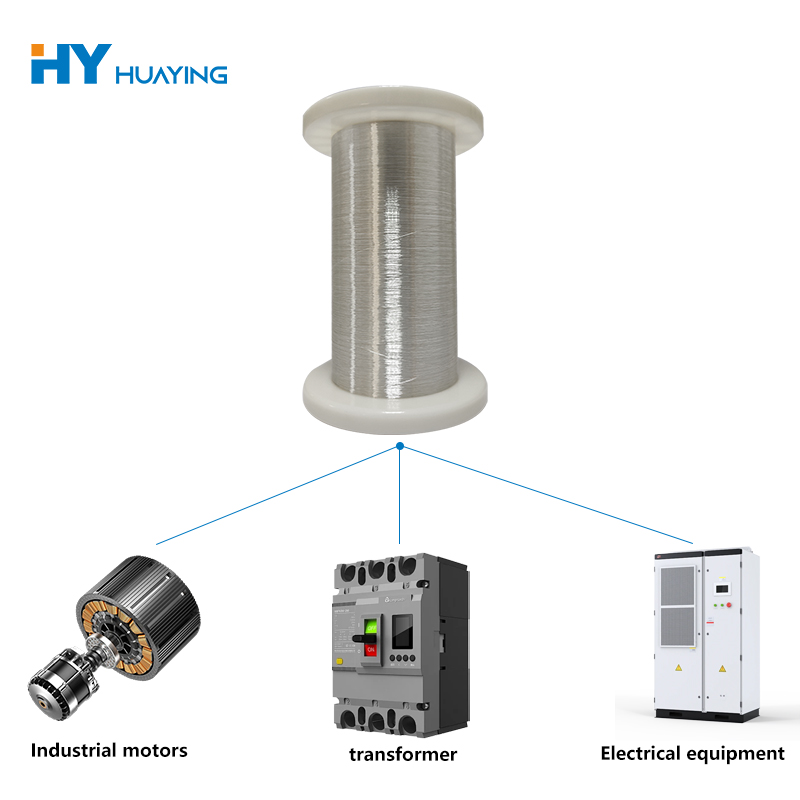
This article explains how magnet wire works, why insulation quality matters, what factors influence performance, and how manufacturers can select the right solution for different applications. With professional manufacturing experience, Huizhou Huaying Electronic Technology Co., Ltd. provides reliable magnet wire solutions designed to meet the requirements of modern electrical industries.
Table of Contents
- What Is Magnet Wire and Why Is It Important?
- How Does Magnet Wire Improve Electrical Equipment Performance?
- What Are the Main Types of Magnet Wire?
- Key Factors to Consider When Choosing Magnet Wire
- Common Applications of Magnet Wire in Different Industries
- How to Solve Common Magnet Wire Selection Problems
- Why Choose Huizhou Huaying Electronic Technology Co., Ltd.?
- Frequently Asked Questions About Magnet Wire
Article Outline
- Understanding the role of magnet wire in electrical systems
- Explaining the relationship between magnet wire quality and equipment efficiency
- Comparing different magnet wire materials and insulation options
- Identifying important purchasing considerations
- Exploring industrial applications and solutions
- Answering common customer concerns about magnet wire
What Is Magnet Wire and Why Is It Important?
Magnet wire, also known as winding wire or enamel wire, is an insulated electrical conductor mainly used for creating electromagnetic coils. Unlike ordinary electrical wire, magnet wire has a very thin insulation coating that allows manufacturers to wind more turns of wire into limited spaces while maintaining excellent electrical performance.
The primary materials used for magnet wire are copper and aluminum. Copper magnet wire is widely used because of its excellent conductivity, mechanical strength, and reliability. Aluminum magnet wire offers advantages such as lower weight and cost efficiency, making it suitable for specific applications where weight reduction is important.
The insulation layer is one of the most important parts of magnet wire. It protects the conductor from short circuits, improves voltage resistance, and allows the wire to operate under different temperature conditions. A high-quality insulation system ensures stable performance even in demanding environments.
For manufacturers of motors, transformers, and electronic components, selecting suitable magnet wire directly influences production quality, energy efficiency, and long-term reliability.
How Does Magnet Wire Improve the Performance of Electrical Equipment?
Magnet wire plays an essential role in converting electrical energy into magnetic energy and supporting efficient electromagnetic operations. The performance advantages of high-quality magnet wire can be seen in several key areas.
- Improved Electrical Efficiency: High-conductivity magnet wire reduces resistance losses during current transmission. Lower energy loss helps electrical devices operate more efficiently and generate less unnecessary heat.
- Better Heat Resistance: Advanced insulation materials allow magnet wire to withstand high operating temperatures. This helps motors and transformers maintain stable performance during continuous operation.
- Enhanced Mechanical Reliability: During manufacturing processes such as winding and shaping, magnet wire must resist stretching, bending, and friction. Strong mechanical properties reduce the risk of damage during assembly.
- Longer Equipment Lifespan: Reliable insulation prevents electrical breakdown and reduces maintenance requirements, helping customers achieve better long-term value.
In modern industries, electrical equipment is becoming smaller while requiring higher power density. Magnet wire with optimized conductivity, insulation performance, and durability helps manufacturers meet these challenges.
What Are the Main Types of Magnet Wire?
Different applications require different magnet wire structures and materials. Selecting the correct type ensures better performance and avoids problems such as overheating, insulation damage, or premature failure.
| Type | Main Features | Typical Applications |
|---|---|---|
| Copper Magnet Wire | Excellent conductivity, strong durability, stable electrical performance | Motors, transformers, generators, industrial equipment |
| Aluminum Magnet Wire | Lightweight, cost-effective, suitable for weight-sensitive designs | Transformers, large electrical equipment |
| Enamelled Magnet Wire | Thin insulation coating, high space utilization | Electronic components, coils, inductors |
| High Temperature Magnet Wire | Designed for extreme temperature environments | Automotive, aerospace, industrial machinery |
Choosing the right magnet wire depends on factors such as operating temperature, voltage requirements, mechanical stress, and application environment.
Key Factors to Consider When Choosing Magnet Wire
Many customers face challenges when selecting magnet wire because different applications require different technical specifications. The following factors should be carefully evaluated before purchasing.
- Conductor Material: Copper provides excellent electrical conductivity, while aluminum provides weight and cost advantages.
- Wire Diameter: The diameter affects current capacity, resistance, and winding space. Proper sizing ensures efficient operation.
- Insulation Performance: Insulation must match the working voltage, temperature range, and environmental conditions.
- Thermal Resistance: Equipment operating at high temperatures requires magnet wire with suitable thermal classes.
- Manufacturing Consistency: Uniform coating thickness and stable quality control reduce production problems.
- Application Requirements: Different industries have different expectations regarding flexibility, durability, and reliability.
A professional magnet wire supplier can help customers analyze their requirements and recommend suitable solutions instead of using a one-size-fits-all approach.
Common Applications of Magnet Wire in Different Industries
Magnet wire is widely used across industries where electromagnetic performance is required. Its ability to create efficient coils makes it an essential material for modern electrical technology.
- Electric Motors: Magnet wire forms motor windings that generate electromagnetic fields to produce mechanical movement.
- Transformers: Transformer coils rely on magnet wire to transfer electrical energy between different voltage levels efficiently.
- Generators: Magnet wire helps convert mechanical energy into electrical energy through electromagnetic induction.
- Automotive Components: Electric vehicles and modern automobiles use magnet wire in motors, sensors, and electronic systems.
- Consumer Electronics: Small electronic devices use magnet wire in compact coils and inductive components.
- Industrial Equipment: Factory automation systems, pumps, compressors, and machinery depend on reliable winding components.
How to Solve Common Magnet Wire Selection Problems?
Customers often encounter challenges when choosing magnet wire, especially when balancing performance, cost, and production requirements. Understanding these problems helps manufacturers make better decisions.
| Common Problem | Possible Cause | Recommended Solution |
|---|---|---|
| Overheating During Operation | Incorrect wire size or insufficient thermal resistance | Select magnet wire with suitable diameter and temperature rating |
| Insulation Failure | Poor insulation quality or unsuitable voltage rating | Choose reliable insulation materials and tested products |
| Low Electrical Efficiency | High conductor resistance | Use high-quality conductive materials |
| Production Difficulties | Inconsistent wire quality | Work with experienced manufacturers with strict quality control |
Why Choose Huizhou Huaying Electronic Technology Co., Ltd.?
Huizhou Huaying Electronic Technology Co., Ltd. focuses on providing professional wire solutions for electronic and electrical applications. The company understands that different industries require different magnet wire characteristics, including conductivity, insulation performance, temperature resistance, and mechanical reliability.
By combining manufacturing expertise with strict quality management, Huizhou Huaying Electronic Technology Co., Ltd. provides magnet wire products that support stable operation in various applications. The company works closely with customers to understand their technical requirements and deliver suitable solutions for different production environments.
Reliable magnet wire is not only a material choice but also an important factor affecting the performance and durability of final products. Selecting an experienced supplier helps manufacturers improve efficiency, reduce risks, and achieve consistent product quality.
Frequently Asked Questions About Magnet Wire
Q1: What is the main purpose of magnet wire?
Magnet wire is mainly used to create electromagnetic coils in motors, transformers, generators, and electronic devices. It enables efficient energy conversion through electromagnetic fields.
Q2: Why does magnet wire need insulation?
The insulation layer prevents short circuits between wire turns and protects the conductor from electrical breakdown, improving equipment reliability.
Q3: Is copper magnet wire better than aluminum magnet wire?
Copper magnet wire generally provides higher conductivity and durability, while aluminum magnet wire offers advantages in weight reduction and cost efficiency. The best choice depends on the application requirements.
Q4: How can customers select the right magnet wire?
Customers should consider conductor material, wire diameter, insulation type, operating temperature, voltage requirements, and application conditions before making a decision.
Q5: What industries commonly use magnet wire?
Magnet wire is widely used in automotive, electronics, power equipment, industrial machinery, renewable energy systems, and many other electrical applications.
Conclusion
Magnet wire is a fundamental component that directly affects the efficiency, reliability, and service life of electrical equipment. From improving energy conversion efficiency to providing stable performance under challenging conditions, high-quality magnet wire plays an essential role in modern manufacturing.
For businesses seeking dependable magnet wire solutions with professional support and consistent quality, Huizhou Huaying Electronic Technology Co., Ltd. is ready to provide customized products that meet diverse application needs. Contact us today to discuss your requirements and find the right magnet wire solution for your project.