

How Does Magnet Wire Improve the Performance of Electrical Devices?
2026-09-29
Article Summary:
Magnet wire plays a critical role in motors, transformers, generators, inductors, and other electromagnetic components. By combining high-conductivity metal cores with precisely controlled insulation systems, magnet wire helps manufacturers achieve efficient energy conversion, compact winding designs, and long-term electrical reliability. This article explains how magnet wire works, how to select the right type, what factors affect performance, and how professional suppliers such as Huizhou Huaying Electronic Technology Co., Ltd. help customers solve common challenges in electrical manufacturing.
What Makes Magnet Wire Different from Ordinary Wire?
Magnet wire is a specially designed electrical conductor mainly used for winding coils that generate electromagnetic fields. Unlike common electrical cables that rely on thick protective jackets, magnet wire uses a very thin insulation coating around the conductor. This design allows more turns of wire to fit into limited spaces while maintaining electrical isolation between each winding layer.
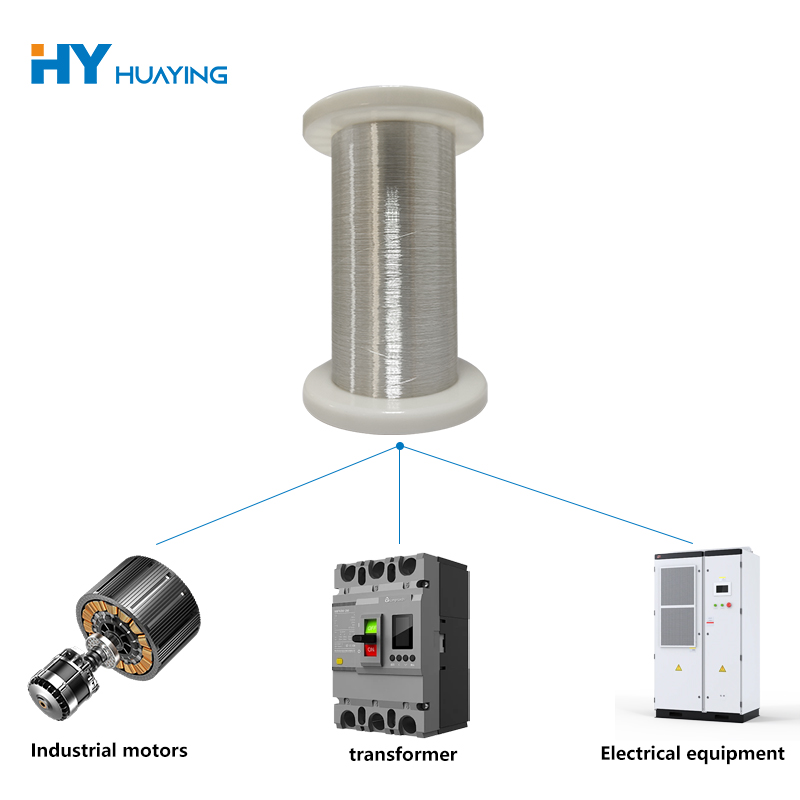
The primary purpose of magnet wire is to convert electrical energy into magnetic energy and then transfer it efficiently within electrical equipment. Motors, transformers, generators, relays, inductors, and many precision electronic components depend on reliable winding systems built with suitable magnet wire.
For manufacturers, the challenge is not simply purchasing conductive wire. The real requirement is finding a material that balances conductivity, insulation strength, temperature resistance, mechanical durability, and processing performance during high-speed winding operations.
- High electrical conductivity for efficient current transmission
- Thin insulation layer for higher winding density
- Excellent resistance against heat and electrical breakdown
- Stable performance during automated winding processes
- Compatibility with different motor and transformer designs
Modern magnet wire usually uses copper or aluminum conductors with polymer insulation coatings. Different insulation materials are selected according to temperature requirements, mechanical stress, and application conditions. :contentReference[oaicite:0]{index=0}
How Is Magnet Wire Designed for Electrical Applications?
The performance of magnet wire depends on three main elements: conductor material, insulation system, and manufacturing precision.
1. Conductive Core
Copper is the most widely used conductor because of its excellent electrical conductivity and stable processing characteristics. Aluminum magnet wire is also used in applications where lightweight design and cost control are important.
2. Insulation Layer
The insulation coating separates adjacent wire turns and prevents short circuits inside coils. Although the coating is extremely thin, it must withstand electrical stress, heat exposure, vibration, and mechanical friction during winding.
| Insulation Type | Main Characteristics | Typical Applications |
|---|---|---|
| Polyurethane | Good flexibility and solderability | Small transformers, electronic coils |
| Polyester | Balanced thermal and mechanical performance | General motors and electrical equipment |
| Polyesterimide | Higher temperature resistance | Industrial motors and demanding environments |
| Polyamide-imide | Excellent heat and chemical resistance | High-performance motors |
Different insulation systems provide different thermal classes and mechanical properties, so selection should always consider the actual operating environment rather than only wire size. :contentReference[oaicite:1]{index=1}
How Do Different Magnet Wire Types Meet Industrial Requirements?
Magnet wire can be classified according to conductor material, shape, insulation type, and performance requirements. Choosing the correct structure helps improve efficiency and reduce production problems.
Round Magnet Wire
Round magnet wire is the most common type used in electrical winding applications. It provides good flexibility and is suitable for motors, transformers, and small electronic components.
Rectangular Magnet Wire
Rectangular magnet wire improves space utilization because its shape allows tighter packing inside winding slots. It is commonly used in high-power motors and advanced electrical equipment where thermal management is important.
High Temperature Magnet Wire
High-temperature magnet wire is developed for environments where continuous heat exposure may affect insulation reliability. It is widely applied in industrial motors, automotive systems, and power equipment.
| Type | Key Benefit | Suitable Applications |
|---|---|---|
| Standard Enameled Magnet Wire | Cost-effective and widely applicable | General motors and transformers |
| High Temperature Magnet Wire | Enhanced thermal stability | Industrial and automotive equipment |
| Self-Bonding Magnet Wire | Creates stronger coil structures | Compact electronic components |
| Rectangular Magnet Wire | Higher slot filling efficiency | High-power motors and generators |
How Can Engineers Select the Right Magnet Wire?
Many purchasing problems happen because magnet wire is selected only according to diameter or price. In reality, engineers need to evaluate several factors together.
Consider Operating Temperature
Electrical devices often generate heat during operation. If the insulation system cannot handle the working temperature, premature failure may occur. Choosing the correct thermal class helps improve service life.
Consider Winding Process Requirements
High-speed automated winding requires excellent flexibility and coating durability. Poor surface quality or inconsistent insulation thickness can lead to production interruptions.
Consider Electrical Performance
- Required voltage resistance
- Insulation reliability
- Current carrying capability
- Frequency characteristics
- Long-term stability
Common Selection Mistakes
| Mistake | Possible Result | Better Approach |
|---|---|---|
| Choosing only by price | Higher failure risk | Evaluate total application requirements |
| Ignoring temperature conditions | Insulation aging | Select suitable thermal class |
| Using incorrect wire size | Lower efficiency | Match electrical design parameters |
How Does Magnet Wire Manufacturing Affect Quality?
The manufacturing process directly influences conductivity, coating uniformity, mechanical strength, and reliability. A professional production process normally includes conductor preparation, wire drawing, annealing, insulation coating, curing, inspection, and packaging.
During production, precise control of wire diameter and insulation thickness is essential. Multiple coating processes are commonly used to create a stable insulation layer with consistent performance. :contentReference[oaicite:2]{index=2}
- Conductor diameter accuracy
- Surface smoothness inspection
- Insulation thickness measurement
- Electrical breakdown testing
- Temperature resistance evaluation
- Winding performance verification
Huizhou Huaying Electronic Technology Co., Ltd. focuses on providing reliable electronic materials and customized solutions for customers requiring stable electrical performance. Through strict production management and attention to application requirements, the company supports different industries with dependable magnet wire solutions.
How Is Magnet Wire Used in Different Industries?
| Industry | Application | Performance Requirements |
|---|---|---|
| Electric Motors | Motor winding coils | Heat resistance and mechanical strength |
| Transformers | Primary and secondary windings | Electrical insulation reliability |
| Automotive | EV motors and electronic systems | High durability and thermal stability |
| Consumer Electronics | Compact coils and components | Precision size control |
| Industrial Equipment | Generators and control systems | Long service life |
Frequently Asked Questions About Magnet Wire
Q1: What is the main purpose of magnet wire?
Magnet wire is mainly used for winding coils that create electromagnetic fields in motors, transformers, generators, and electronic devices.
Q2: Why does magnet wire need insulation?
The insulation prevents electrical contact between adjacent wire turns, reducing the risk of short circuits and improving coil reliability.
Q3: What materials are commonly used for magnet wire?
Copper and aluminum are the most common conductor materials. The insulation can include polyurethane, polyester, polyesterimide, polyamide-imide, and other specialized coatings.
Q4: How should buyers choose magnet wire suppliers?
Buyers should evaluate manufacturing capability, product consistency, technical support, customization ability, and quality control systems rather than focusing only on unit price.
Q5: Can magnet wire be customized?
Yes. Depending on application requirements, magnet wire can be customized in conductor size, insulation type, thermal class, packaging method, and performance specifications.
Reliable Magnet Wire Solutions for Your Electrical Applications
Selecting the right magnet wire helps improve equipment efficiency, reduce production risks, and extend product service life. Whether your project involves motors, transformers, electronic components, or customized winding applications, professional technical support can make material selection easier.
Huizhou Huaying Electronic Technology Co., Ltd. provides magnet wire solutions designed around customer requirements, helping manufacturers achieve stable performance and reliable electrical systems.
Need a suitable magnet wire solution for your project? Contact us today to discuss your specifications, application requirements, and customized supply options.