

How Does Flame Retardant Wire Work in Preventing Fire Spread
2026-02-09
In the critical infrastructure of any building, electrical safety is paramount. At the core of this defense system lies a specialized component: Flame Retardant Wire. Unlike standard wiring, this engineered solution is designed to actively inhibit the propagation of fire, providing crucial time for evacuation and emergency response. At Yilan, we engineer advanced Flame Retardant Wire that integrates sophisticated materials and technology to set a new standard in electrical fire safety, protecting both property and lives.
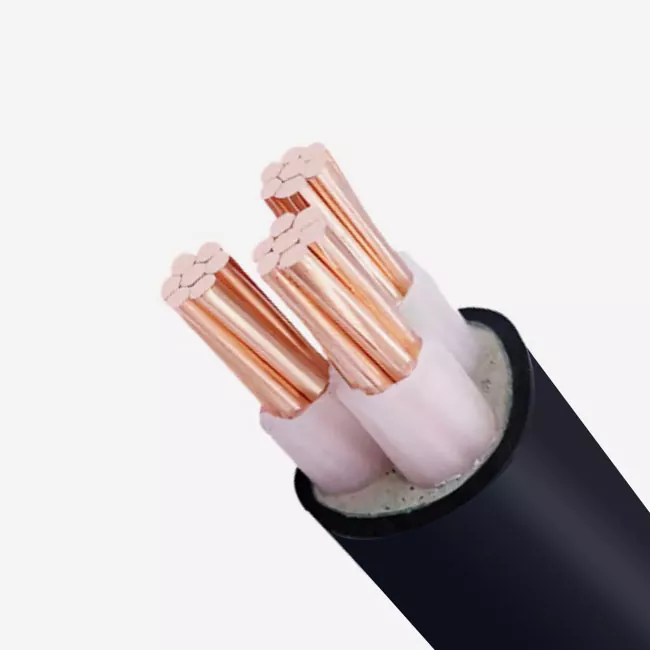
The fundamental working principle is based on interrupting the fire triangle—heat, fuel, and oxygen. Here’s how Yilan's Flame Retardant Wire achieves this:
-
Formulation of Insulation: The wire’s insulation and jacketing are compounded with special Flame Retardant additives, such as metal hydroxides (e.g., Aluminum Trihydroxide).
-
Endothermic Action: When exposed to extreme heat, these additives undergo a chemical reaction that absorbs a massive amount of thermal energy (endothermic process), cooling the wire and slowing down pyrolysis.
-
Char Formation: Simultaneously, the compounds promote the formation of a stable, insulating char layer on the wire’s surface.
-
Barrier Creation: This char layer acts as a protective barrier, shielding the underlying conductive material from the flame and significantly reducing the emission of flammable gases.
The performance of Flame Retardant Wire is rigorously validated against international standards. The table below outlines key tests that Yilan products undergo to ensure reliability:
| Test Standard | Test Method | Key Performance Indicator for Flame Retardancy |
|---|---|---|
| IEC 60332-1 | Single Vertical Wire Test | Measures the extent of charred length after a controlled flame application. |
| IEC 60332-3 | Bundle Wire Test | Assesses the ability to prevent fire spread in a vertical ladder of cables. |
| UL 1685 (FT4/IEEE 1202) | Vertical Tray Flame Test | A severe test simulating a vertical cable tray to evaluate flame propagation and smoke generation. |
Flame Retardant Wire FAQ
What is the main difference between Flame Retardant and Fire-Resistant Wire?
Flame Retardant Wire is designed to resist ignition and slow the spread of flame along its length, crucial for preventing fire escalation within a compartment. Fire-Resistant (or Circuit Integrity) wire is engineered to maintain operational circuit functionality for a specified period during a fire, which is essential for emergency systems like alarms and lighting.
Can Yilan Flame Retardant Wire be used outdoors?
Yes, Yilan's Flame Retardant Wire solutions include formulations with UV and moisture resistance. However, the specific product must be selected based on the environmental rating (e.g., sunlight resistance, direct burial rating) indicated in its datasheet to ensure long-term durability and performance.
How do I choose the right Flame Retardant Wire for my project?
Selection depends on several factors: the applicable local and international electrical codes (like NEC or IEC), the installation environment (conduit, tray, open air), required safety certifications (UL, CE, RoHS), and the specific flame spread test rating needed (e.g., FT4 rating for plenum spaces). Consulting Yilan's technical specifications and our engineering team is always recommended.
Ensuring your project's safety and compliance requires not just any wire, but the right engineered solution. The advanced material science and rigorous testing behind Yilan Flame Retardant Wire provide a proven defense against one of the most significant electrical hazards. For detailed product specifications, certification documents, or expert guidance on selecting the optimal Flame Retardant Wire for your application, contact us today. Let our specialists help you build a safer, more resilient infrastructure.