

How Does Cable Gland Selection Impact Control Cable System Integrity
2026-02-11
When designing a robust industrial control system, much attention is rightly paid to the Control Cable itself—its gauge, shielding, and material quality. However, the critical component that ensures these cables perform reliably in harsh environments is often overlooked: the cable gland. Selecting the correct gland is not a mere afterthought; it is a fundamental decision that directly safeguards your system's long-term integrity and safety. At Yilan, we understand that every detail matters in protecting your critical connections. A poorly chosen gland can become the single point of failure, compromising an entire network of Control Cable infrastructure.
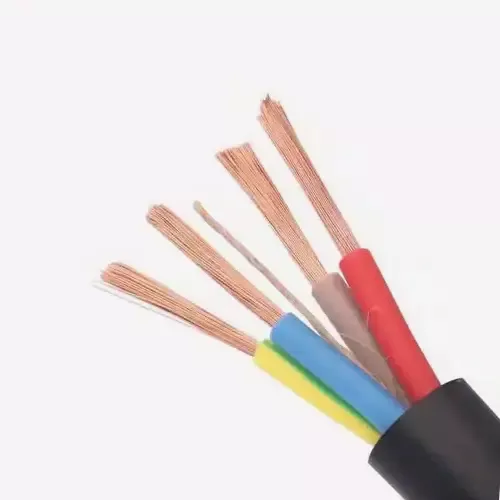
The primary role of a cable gland is to provide a secure and sealed mechanical termination. Its impact on system integrity is multifaceted:
-
Environmental Protection: It seals out dust, moisture, and liquids, preventing corrosion and short circuits within the cable entry point.
-
Strain Relief: It anchors the Control Cable, absorbing mechanical stress from vibration, pulling, or twisting, which protects internal conductor connections.
-
EMI Shielding Continuity: For shielded control cables, specialized glands maintain the continuity of the electromagnetic shield, containing interference and preventing noise from disrupting sensitive signals.
-
Safety Certification: Glands certified for specific hazardous areas (like ATEX, IECEx) prevent the ingress of flammable gases and contain any internal sparks, crucial for explosion protection.
Selecting the right gland requires evaluating several key parameters against your cable and application:
| Selection Parameter | Why It Matters | Yilan Solution Insight |
|---|---|---|
| Cable Diameter Range | An incorrect fit compromises the seal and strain relief. | Our glands specify precise clamping ranges for a perfect seal. |
| Ingress Protection (IP) Rating | Defines the level of protection against solids and liquids. | Yilan offers a full range from IP66 to IP68 for any environment. |
| Material & Corrosion Resistance | Determines longevity in corrosive or UV-exposed settings. | We provide brass, stainless steel, and specialized plastic composites. |
| Hazardous Area Certification | Mandatory for safe operation in potentially explosive atmospheres. | Our product lines are certified for global hazardous area standards. |
Control Cable FAQ
What is the difference between a standard cable gland and one for shielded control cables?
A standard gland provides sealing and clamping. A gland for shielded Control Cables includes a conductive element, such as a metallic ferrule, that makes continuous contact with the cable's braided shield, grounding it effectively at the entry point to maintain EMI/RFI integrity.
Can I use a single cable gland for multiple control cables?
This is generally not recommended. Multipacking cables into one gland prevents proper sealing and individual strain relief for each Control Cable, violating safety standards and risking system failure. Always use a single gland per cable or select a multi-hole gland block designed for the purpose.
How often should cable glands be inspected or maintained?
Glands should be included in regular preventive maintenance schedules. We recommend a visual inspection every 6-12 months for signs of corrosion, cracking, or loosening, especially in harsh environments, to ensure the Control Cable system integrity remains intact.
In conclusion, the cable gland is the guardian of your control system's point of entry. Its proper selection is a critical engineering decision that preserves the performance, safety, and longevity of your installation. Yilan provides not just premium components, but the expert guidance to ensure your Control Cable systems are protected from panel to endpoint.
Contact us today for a personalized consultation. Let our specialists help you select the ideal Yilan cable gland solution to fortify your system's integrity.