

How Does a Wireless Water Meter Improve Modern Water Management?
2026-07-31
Article Summary
Water management has become increasingly important for residential communities, commercial buildings, industrial facilities, and municipal systems. Traditional water meters often require manual reading, regular inspections, and complicated maintenance processes, creating challenges such as inaccurate data collection, wasted labor, and delayed leak detection.
A Wireless Water Meter provides an intelligent solution by using wireless communication technology to collect and transmit water consumption data automatically. This advanced metering method helps users monitor usage patterns, identify abnormal consumption, reduce water waste, and improve operational efficiency. With professional solutions from Xinkong, businesses and property managers can achieve more reliable and convenient water monitoring systems.
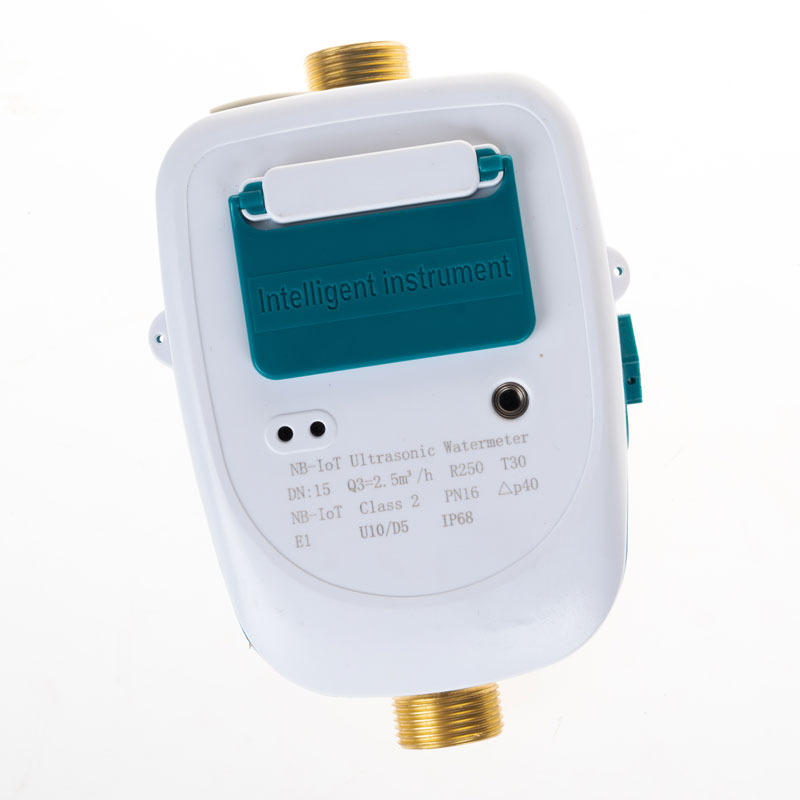
Table of Contents
- 1. Introduction: The Need for Smarter Water Measurement
- 2. How Does a Wireless Water Meter Work?
- 3. What Problems Can Wireless Water Meters Solve?
- 4. Key Advantages of Using a Wireless Water Meter
- 5. Where Are Wireless Water Meters Commonly Used?
- 6. How to Choose the Right Wireless Water Meter?
- 7. The Future Development of Smart Water Measurement
- 8. Frequently Asked Questions
- 9. Conclusion
Article Outline
- The limitations of traditional water meters
- The operating principles of wireless water measurement technology
- The role of wireless meters in improving water management efficiency
- Important factors when selecting smart water monitoring equipment
- Future trends in intelligent water management systems
Introduction: The Need for Smarter Water Measurement
Water is one of the most valuable resources in modern society. As cities expand and industries continue to develop, accurate water measurement has become essential for controlling consumption, reducing operational costs, and protecting natural resources.
Traditional mechanical water meters have been widely used for decades. However, they often require workers to manually check readings, which can lead to inefficient management. Manual meter reading may also cause problems such as inaccessible meter locations, human recording errors, and delayed responses when abnormal water usage occurs.
A Wireless Water Meter changes the traditional approach by enabling automatic data collection and remote communication. Instead of depending on physical inspections, users can obtain accurate consumption information through wireless networks. This makes water management faster, smarter, and more transparent.
Xinkong develops reliable wireless water measurement solutions designed to help different industries improve monitoring efficiency and achieve better resource management.
How Does a Wireless Water Meter Work?
A Wireless Water Meter combines measurement technology, electronic sensors, and wireless communication modules to create an intelligent water monitoring system. Although different models may use different communication methods, the basic working process remains similar.
- Water Flow Measurement: The internal sensor detects the amount of water passing through the pipeline and converts flow information into digital data.
- Data Processing: The built-in control unit analyzes and stores the collected water usage information.
- Wireless Transmission: The meter sends consumption data through wireless communication technologies to a management platform or receiving terminal.
- Remote Monitoring: Users can review water usage information without visiting the physical meter location.
Through continuous data transmission, a Wireless Water Meter allows managers to understand real-time consumption conditions and quickly identify unusual situations such as sudden increases in water usage or possible pipeline leaks.
What Problems Can Wireless Water Meters Solve?
Many organizations face challenges when managing large numbers of water meters. Wireless metering technology provides practical solutions for these common problems.
- Difficulty in Manual Meter Reading: Large residential buildings, factories, and campuses may have hundreds or thousands of meters. Manual inspection requires significant labor and time. Wireless systems allow remote reading and reduce workload.
- Delayed Leak Detection: Small leaks can increase water bills and damage infrastructure. Wireless monitoring helps identify abnormal consumption patterns earlier.
- Data Accuracy Issues: Manual recording can result in mistakes. Automated transmission improves measurement accuracy and data reliability.
- Lack of Usage Visibility: Without detailed consumption data, managers cannot effectively analyze water usage. Wireless meters provide continuous information for better decision-making.
Key Advantages of Using a Wireless Water Meter
The adoption of wireless water measurement technology brings significant benefits to users across different industries.
| Advantage | Benefit |
|---|---|
| Remote Data Collection | Reduces manual inspection requirements and improves management efficiency. |
| Real-Time Monitoring | Helps users understand current water consumption conditions. |
| Leak Detection Support | Allows faster identification of unusual water usage patterns. |
| Better Resource Control | Supports water-saving strategies through accurate consumption analysis. |
| Easy Installation Options | Wireless communication reduces complicated wiring requirements. |
For property managers, industrial operators, and utility providers, these advantages can significantly improve water management performance while reducing unnecessary expenses.
Where Are Wireless Water Meters Commonly Used?
Wireless water meters are suitable for many environments where accurate and convenient water monitoring is required.
- Residential Communities: Helps property management companies collect water usage data from multiple buildings efficiently.
- Commercial Buildings: Supports office buildings, shopping centers, and hotels in monitoring consumption.
- Industrial Facilities: Helps factories control production water usage and improve resource efficiency.
- Agricultural Projects: Provides accurate irrigation monitoring and supports water conservation.
- Public Infrastructure: Assists municipal water systems with improved management capabilities.
How to Choose the Right Wireless Water Meter?
Selecting a suitable wireless water meter requires careful consideration of application requirements, environmental conditions, and system compatibility.
- Communication Technology: Choose a communication method suitable for the installation environment and required transmission distance.
- Measurement Accuracy: Accurate measurement is essential for reliable billing and consumption analysis.
- Battery Performance: For remote installations, long operating life reduces maintenance frequency.
- Data Management Capability: A good system should provide convenient access to collected information.
- Installation Requirements: Consider pipeline conditions, space limitations, and maintenance needs before installation.
Xinkong focuses on providing dependable wireless water measurement solutions that combine accuracy, stability, and practical application requirements.
The Future Development of Smart Water Measurement
With the continuous development of smart cities and digital infrastructure, intelligent water management will become increasingly important. Wireless Water Meter technology is expected to play a major role in future resource management systems.
Future improvements may include stronger communication capabilities, improved energy efficiency, advanced data analysis functions, and integration with intelligent management platforms. These developments will allow organizations to predict water usage trends, optimize consumption strategies, and reduce resource waste.
The combination of smart sensors, wireless communication, and data analysis will create more sustainable water management solutions for homes, businesses, and industries worldwide.
Frequently Asked Questions
What is a Wireless Water Meter?
A Wireless Water Meter is an intelligent measuring device that records water consumption and sends data through wireless communication technology, allowing users to monitor usage remotely.
Why should businesses use wireless water meters?
Businesses can reduce manual meter reading costs, improve monitoring accuracy, detect unusual consumption, and manage water resources more effectively.
Can wireless water meters help detect leaks?
Yes. By continuously monitoring water consumption changes, wireless meters can help identify abnormal usage patterns that may indicate leaks.
Are wireless water meters difficult to install?
Installation requirements depend on the specific application. Many wireless solutions are designed to simplify deployment by reducing complex wiring needs.
How does Xinkong support customers with wireless water measurement solutions?
Xinkong provides professional wireless water meter solutions designed for reliable measurement, convenient monitoring, and long-term performance in different application environments.
Conclusion
A Wireless Water Meter provides an effective way to modernize water management by replacing traditional manual monitoring methods with intelligent data collection and remote communication. It helps users improve accuracy, reduce operating costs, detect potential problems, and make better decisions based on real consumption information.
As demand for efficient resource management continues to grow, wireless water measurement technology will become an important part of smart infrastructure. With reliable solutions from Xinkong, organizations can build more efficient and sustainable water monitoring systems.
If you are looking for a reliable Wireless Water Meter solution customized for your application needs, Xinkong is ready to provide professional support and advanced products. Contact us today to discuss your requirements and discover a smarter way to manage water resources.