

How Does a Pole Mounted Transformer Improve Power Distribution Efficiency?
2026-06-01
A Pole Mounted Transformer is one of the most important components in modern electrical distribution networks. It efficiently steps down medium-voltage electricity from utility lines into usable low-voltage power for homes, commercial buildings, farms, and industrial facilities. This article explains how pole mounted transformers work, their advantages, applications, installation considerations, maintenance requirements, and how to choose the right transformer for your project. Whether you are a utility contractor, electrical engineer, project developer, or facility owner, understanding these transformers can help improve reliability, reduce operational costs, and ensure long-term power stability.
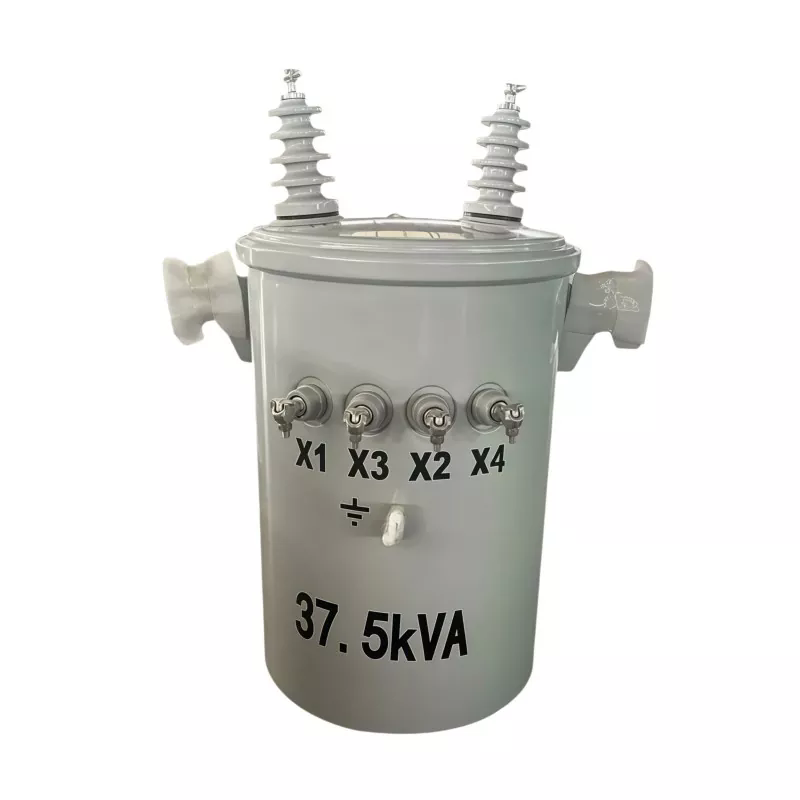
Table of Contents
- What Is a Pole Mounted Transformer?
- How Does a Pole Mounted Transformer Work?
- Key Components of a Pole Mounted Transformer
- Advantages of Pole Mounted Transformers
- Common Applications
- Pole Mounted vs Pad Mounted Transformers
- How to Select the Right Pole Mounted Transformer
- Installation Considerations
- Maintenance and Inspection Tips
- Common Customer Challenges and Solutions
- FAQ
- Conclusion
What Is a Pole Mounted Transformer?
A Pole Mounted Transformer is an electrical distribution transformer installed on utility poles to convert high-voltage electricity from overhead distribution lines into lower voltages suitable for end users. These transformers are commonly found in residential neighborhoods, rural communities, agricultural operations, and light commercial areas.
The transformer serves as a critical link between the utility grid and consumers by ensuring that electricity is delivered safely and efficiently. Without voltage transformation, electrical equipment and household appliances would be exposed to dangerous voltage levels.
Pole mounted transformers are typically compact, weather-resistant, and designed to operate reliably in outdoor environments for decades.
How Does a Pole Mounted Transformer Work?
The operating principle of a pole mounted transformer is based on electromagnetic induction. Electrical energy enters the transformer through the primary winding at medium voltage levels supplied by utility distribution networks.
As alternating current flows through the primary winding, it creates a magnetic field inside the transformer core. This magnetic field induces a voltage in the secondary winding. Because the secondary winding contains a different number of turns than the primary winding, the output voltage is reduced to a level suitable for customer use.
The process occurs continuously and efficiently, allowing power to be distributed with minimal losses.
- Medium-voltage electricity enters the transformer.
- The magnetic core transfers energy between windings.
- Voltage is stepped down through electromagnetic induction.
- Low-voltage electricity is delivered to customers.
- Protective devices ensure safe operation.
Key Components of a Pole Mounted Transformer
Understanding transformer components helps users evaluate quality, durability, and long-term performance.
| Component | Function |
|---|---|
| Core | Transfers magnetic energy efficiently. |
| Primary Winding | Receives incoming medium voltage. |
| Secondary Winding | Provides low-voltage output. |
| Insulating Oil | Provides cooling and insulation. |
| Tank | Protects internal components from environmental exposure. |
| Bushings | Provide insulated electrical connections. |
| Protective Devices | Prevent overloads and fault damage. |
Advantages of Pole Mounted Transformers
Many utilities and infrastructure developers prefer pole mounted transformers because they offer practical advantages for overhead distribution systems.
- Efficient voltage conversion.
- Reduced land usage.
- Lower installation costs.
- Excellent accessibility for overhead networks.
- Long operational lifespan.
- High reliability in rural environments.
- Strong weather resistance.
- Flexible capacity options.
By elevating the transformer above ground level, utilities can also reduce the risk of accidental damage caused by vehicles, flooding, or unauthorized access.
Common Applications
Pole mounted transformers are used across a wide variety of industries and distribution environments.
| Application | Purpose |
|---|---|
| Residential Areas | Supply power to homes and apartments. |
| Rural Electrification | Provide reliable electricity to remote communities. |
| Agricultural Facilities | Power irrigation systems and farm equipment. |
| Commercial Buildings | Support retail and office operations. |
| Industrial Sites | Distribute power to machinery and production lines. |
| Utility Networks | Maintain stable local voltage distribution. |
Pole Mounted vs Pad Mounted Transformers
Choosing between transformer types depends on project requirements, safety considerations, and installation environments.
| Factor | Pole Mounted | Pad Mounted |
|---|---|---|
| Installation Location | On utility poles | Ground level |
| Land Requirement | Minimal | Requires dedicated space |
| Best For | Overhead networks | Underground systems |
| Maintenance Access | Requires elevated work | Ground access |
How to Select the Right Pole Mounted Transformer
Selecting the correct transformer is essential for maximizing performance and minimizing future operational issues.
- Determine load demand accurately.
- Verify primary and secondary voltage requirements.
- Evaluate environmental conditions.
- Consider future load growth.
- Review efficiency requirements.
- Ensure compliance with local utility standards.
- Choose reliable manufacturers with proven experience.
A properly sized transformer reduces energy losses, improves voltage regulation, and extends equipment life.
Installation Considerations
Proper installation directly impacts safety and operational reliability.
- Use poles with adequate structural strength.
- Verify safe clearance distances.
- Install surge protection devices.
- Ensure proper grounding systems.
- Follow local electrical regulations.
- Perform commissioning tests before energization.
Professional installation helps prevent failures, outages, and unnecessary maintenance expenses.
Maintenance and Inspection Tips
Although pole mounted transformers are designed for long-term service, routine inspections can significantly improve reliability.
- Inspect bushings for cracks or contamination.
- Check for oil leakage.
- Monitor transformer temperature.
- Inspect grounding connections.
- Evaluate load conditions regularly.
- Conduct periodic electrical testing.
Preventive maintenance helps identify potential problems before they lead to costly outages or equipment failures.
Common Customer Challenges and Solutions
| Challenge | Recommended Solution |
|---|---|
| Frequent overloads | Upgrade transformer capacity. |
| Voltage fluctuations | Improve system design and load balancing. |
| Harsh weather exposure | Use corrosion-resistant designs. |
| Unexpected downtime | Implement preventive maintenance programs. |
| Future expansion needs | Select scalable transformer capacities. |
Frequently Asked Questions (FAQ)
Q1: What voltage levels can a pole mounted transformer handle?
Most units are designed to step down medium-voltage distribution power to standard utilization voltages, although specifications vary by application and utility requirements.
Q2: How long does a pole mounted transformer typically last?
With proper installation and maintenance, many transformers operate reliably for 25 to 40 years or longer.
Q3: Are pole mounted transformers suitable for industrial facilities?
Yes. Depending on capacity and design specifications, they can support industrial, commercial, agricultural, and residential applications.
Q4: What causes transformer failures?
Common causes include overloading, insulation degradation, lightning strikes, inadequate maintenance, and environmental damage.
Q5: Why is transformer oil important?
Transformer oil provides both insulation and cooling, helping maintain safe operating temperatures and electrical performance.
Conclusion
A Pole Mounted Transformer remains one of the most effective and economical solutions for electrical power distribution. By efficiently converting medium-voltage electricity into usable low-voltage power, these transformers support reliable service for residential, commercial, agricultural, and industrial users worldwide.
Selecting the right transformer requires careful consideration of capacity, voltage requirements, environmental conditions, and long-term operational goals. Investing in a high-quality transformer and implementing proper maintenance practices can significantly improve system reliability while reducing lifecycle costs.
Guangbian provides durable, high-efficiency pole mounted transformers engineered to meet demanding utility and industrial power distribution requirements. Whether you need customized specifications, technical consultation, project support, or a competitive quotation, the experienced team at Guangbian is ready to assist you. Contact us today to discuss your project requirements and discover the ideal transformer solution for your power distribution network.