

How Do Marine Power Cables Ensure Reliable Offshore Energy Transmission?
2026-06-26
Abstract
Marine Power Cables are the backbone of offshore electrical infrastructure, enabling stable and secure transmission of electricity in harsh marine environments. From offshore wind farms to subsea interconnections and coastal industrial facilities, these specialized cables are engineered to withstand mechanical stress, saltwater corrosion, and extreme environmental conditions. This article explores how Marine Power Cables function, their structural design, key applications, and critical selection considerations, helping buyers and engineers make informed decisions for long-term operational reliability.
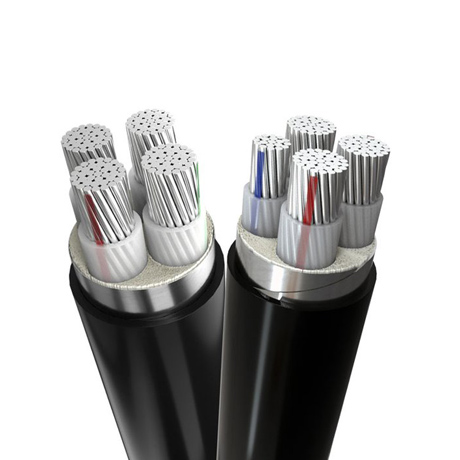
Table of Contents
- Introduction to Marine Power Cables
- Structural Design and Engineering Principles
- Key Performance Features
- Major Applications in Marine Environments
- How to Choose the Right Marine Power Cable
- Installation Challenges and Solutions
- Maintenance and Lifecycle Management
- Safety and Reliability Considerations
- Why Manufacturer Expertise Matters
- Frequently Asked Questions
- Conclusion
Introduction to Marine Power Cables
Marine Power Cables are specialized electrical transmission cables designed for underwater and offshore applications. Unlike conventional land-based cables, they are engineered to operate under continuous exposure to seawater, pressure variations, and dynamic mechanical forces caused by tides, waves, and seabed movement.
These cables serve as critical infrastructure in modern energy systems, particularly in offshore wind power generation, subsea oil and gas platforms, inter-island power networks, and coastal industrial facilities. Their performance directly impacts energy efficiency, system stability, and long-term operational safety.
Structural Design and Engineering Principles
The effectiveness of Marine Power Cables lies in their multi-layered construction. Each layer plays a specific role in ensuring conductivity, insulation, protection, and durability.
- Conductor Core: Typically made of high-purity copper or aluminum to ensure efficient electrical transmission.
- Insulation Layer: Cross-linked polyethylene (XLPE) or ethylene propylene rubber (EPR) provides electrical insulation and thermal resistance.
- Water Blocking Layer: Prevents longitudinal water penetration, a critical safeguard in underwater environments.
- Metallic Shielding: Reduces electromagnetic interference and enhances fault current handling.
- Armoring Layer: Steel wire or tape armor provides mechanical protection against impact, tension, and abrasion.
- Outer Sheath: Corrosion-resistant polymeric material protects against seawater, chemicals, and biological damage.
This layered architecture ensures that Marine Power Cables can maintain stable performance even under extreme underwater conditions.
Key Performance Features
Marine Power Cables are distinguished by several essential performance characteristics that make them suitable for offshore environments.
- High Voltage Capacity: Designed for medium to extra-high voltage transmission systems.
- Corrosion Resistance: Resistant to saltwater, marine organisms, and chemical exposure.
- Mechanical Strength: Withstands deep-sea pressure and seabed movement.
- Thermal Stability: Maintains performance across wide temperature variations.
- Long Service Life: Engineered for decades of operation with minimal degradation.
These features make Marine Power Cables indispensable for modern offshore energy systems where reliability is non-negotiable.
Major Applications in Marine Environments
The versatility of Marine Power Cables allows them to be used across a wide range of industries and environments.
- Offshore Wind Farms: Transmitting electricity generated by turbines to onshore grids.
- Subsea Oil & Gas Platforms: Powering drilling equipment and communication systems.
- Island Interconnection Projects: Connecting remote islands to mainland power grids.
- Port and Harbor Infrastructure: Supplying electricity to cranes, lighting, and operations systems.
- Marine Renewable Energy Systems: Supporting tidal and wave energy installations.
As global demand for renewable energy increases, the importance of Marine Power Cables continues to expand rapidly.
How to Choose the Right Marine Power Cable
Selecting the appropriate Marine Power Cable requires careful evaluation of technical and environmental factors.
- Voltage Rating: Ensure compatibility with system voltage requirements.
- Installation Depth: Deeper installations require higher pressure resistance.
- Environmental Conditions: Consider salinity, temperature, and seabed composition.
- Mechanical Load: Evaluate tensile strength and bending radius requirements.
- Compliance Standards: Verify adherence to international marine cable standards.
A proper selection process reduces maintenance costs and improves long-term system reliability.
Installation Challenges and Solutions
Installing Marine Power Cables is a technically demanding process that requires specialized equipment and engineering expertise.
- Seabed Irregularities: Require route surveying and trenching preparation.
- High Tension Loads: Managed using controlled laying vessels and tensioners.
- Weather Dependency: Installation windows are often limited by marine conditions.
- Precision Deployment: Accurate positioning is essential to prevent damage.
Advanced installation techniques such as dynamic positioning vessels and real-time monitoring systems significantly improve deployment accuracy and safety.
Maintenance and Lifecycle Management
Although Marine Power Cables are designed for durability, regular monitoring and maintenance are essential for optimal performance.
- Periodic insulation resistance testing
- Underwater inspection using ROVs (Remotely Operated Vehicles)
- Thermal and load monitoring systems
- Preventive repair of sheath damage
Effective lifecycle management ensures early detection of potential failures and extends the operational lifespan of the system.
Safety and Reliability Considerations
Safety is a critical aspect of Marine Power Cable systems, particularly in high-voltage offshore environments. Faults can lead to significant operational disruptions and environmental risks.
To enhance reliability, modern Marine Power Cables incorporate advanced insulation materials, redundant shielding systems, and real-time monitoring technologies. These improvements minimize failure risks and ensure stable energy transmission even in challenging marine conditions.
Why Manufacturer Expertise Matters
The performance of Marine Power Cables is highly dependent on manufacturing quality and engineering expertise. A reliable manufacturer ensures consistent material selection, precise production processes, and rigorous testing protocols.
Yangzhou Liyuan Wire & Cable Co.,Ltd. is a professional manufacturer specializing in high-performance power cable systems. With advanced production capabilities and strict quality control systems, the company provides Marine Power Cables designed to meet demanding offshore and subsea applications. Their engineering focus ensures durability, electrical stability, and long-term operational safety across diverse marine environments.
By choosing a trusted manufacturer like Yangzhou Liyuan Wire & Cable Co.,Ltd., customers reduce operational risks and achieve greater system reliability in critical infrastructure projects.
Frequently Asked Questions
Q1: What makes Marine Power Cables different from land cables?
Marine Power Cables are specifically engineered for underwater conditions, featuring enhanced waterproofing, corrosion resistance, and mechanical armor protection.
Q2: How long do Marine Power Cables last?
With proper installation and maintenance, they can operate reliably for 25–40 years depending on environmental conditions.
Q3: Can Marine Power Cables be repaired underwater?
Yes, specialized repair techniques using ROVs and subsea joints allow underwater maintenance in many cases.
Q4: What industries rely most on Marine Power Cables?
Offshore wind energy, oil and gas, marine infrastructure, and inter-island power transmission systems are the primary users.
Conclusion
Marine Power Cables are essential components of modern offshore energy and infrastructure systems. Their advanced engineering allows them to withstand harsh marine environments while delivering stable and efficient power transmission. From design and installation to maintenance and lifecycle management, every aspect contributes to system reliability and operational success.
As global energy systems continue to expand offshore, selecting high-quality Marine Power Cables becomes increasingly critical for ensuring safety, efficiency, and long-term sustainability.
For professional-grade solutions and customized cable systems, Yangzhou Liyuan Wire & Cable Co.,Ltd. provides trusted expertise and manufacturing excellence tailored to demanding marine applications.
For tailored technical support, product consultation, and project cooperation, please contact us today and explore how our Marine Power Cable solutions can support your offshore power transmission needs.