Article Summary
Hydraulic hoses are essential components that ensure the efficient transmission of hydraulic power in industrial machinery, construction equipment, agricultural machines, and many other hydraulic applications. Choosing the right hydraulic hose can directly influence equipment performance, operational safety, maintenance costs, and service life. This article explains how hydraulic hoses work, why they are important, how to select suitable hoses, and how to avoid common problems such as leakage, pressure failure, and premature damage.
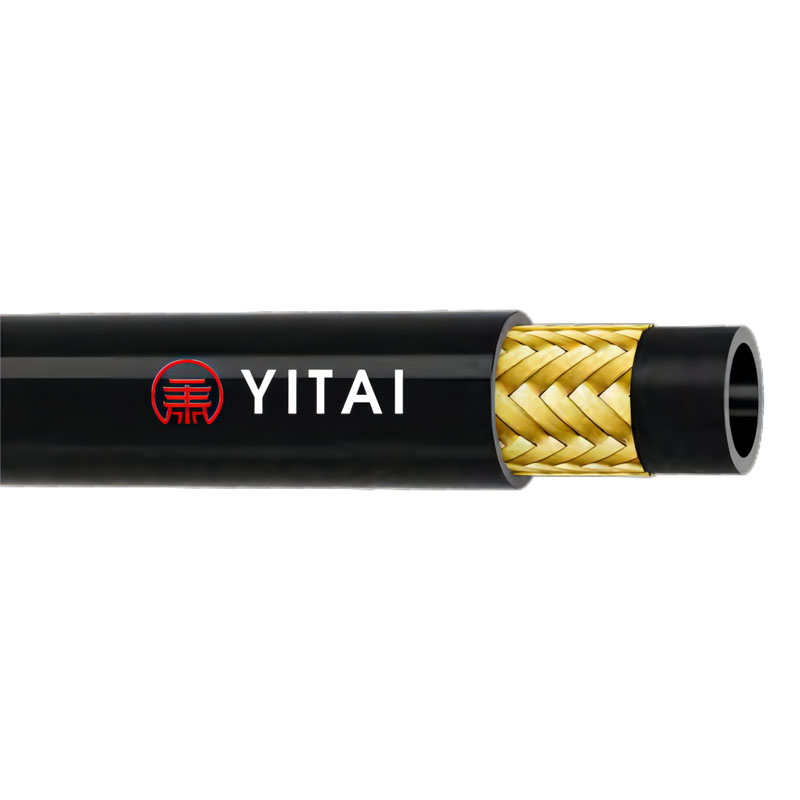
With advanced manufacturing capabilities and professional hydraulic solutions, Shandong Yitai Hydraulic Technology Co., Ltd. provides reliable hydraulic hose products designed to meet different working conditions and application requirements. Understanding hose structure, selection standards, and maintenance methods helps users achieve safer and more efficient hydraulic operations.
1. Introduction to Hydraulic Hoses
Hydraulic hoses are flexible pipelines specially designed to transport hydraulic fluid under high pressure. Unlike rigid pipes, hydraulic hoses can absorb vibration, accommodate movement between components, and simplify system installation. They are widely used in hydraulic systems where machines require controlled power transmission and precise movement.
Modern hydraulic equipment depends heavily on high-quality hoses because hydraulic systems often operate under extreme conditions, including high pressure, temperature changes, mechanical stress, and continuous movement. A damaged or unsuitable hose can result in fluid leakage, equipment downtime, safety risks, and increased maintenance expenses.
For businesses that rely on hydraulic machinery, selecting dependable hydraulic hoses from an experienced manufacturer is a key factor in maintaining stable operations.
2. How Hydraulic Hoses Work in Hydraulic Systems
Hydraulic hoses transfer pressurized hydraulic fluid between different components of a hydraulic system. When a hydraulic pump generates pressure, the fluid travels through hoses to actuators, cylinders, motors, or valves. The hydraulic energy is then converted into mechanical movement.
The flexibility of hydraulic hoses allows them to connect moving components while maintaining continuous fluid flow. This feature makes them especially valuable in equipment where parts frequently move or rotate.
The working process can be summarized as follows:
-
Hydraulic fluid generation: The hydraulic pump creates pressure by moving hydraulic oil through the system.
-
Fluid transportation: Hydraulic hoses carry the pressurized fluid between system components.
-
Energy conversion: Hydraulic actuators transform fluid pressure into mechanical force.
-
System control: Valves regulate fluid direction, speed, and pressure.
A reliable hydraulic hose ensures smooth power transmission and reduces the risk of unexpected system failures.
3. Why Hydraulic Hoses Are Critical for Equipment Performance
Many equipment failures are caused by hydraulic system problems rather than mechanical component failures. Hydraulic hoses play an important role in maintaining system efficiency because they directly affect fluid delivery and pressure stability.
-
Improved operational safety: High-quality hoses reduce the possibility of sudden bursting or dangerous hydraulic fluid leaks.
-
Higher equipment efficiency: Proper hose performance helps maintain consistent hydraulic pressure.
-
Reduced maintenance costs: Durable hoses require fewer replacements and repairs.
-
Longer machine lifespan: Stable hydraulic operation protects other system components.
For demanding industries, investing in reliable hydraulic hoses is not only a component choice but also a strategy for improving overall productivity.
4. What Are the Main Components of Hydraulic Hoses?
A hydraulic hose is designed with multiple layers, and each layer performs a specific function to ensure strength, flexibility, and durability.
|
Component
|
Function
|
|
Inner Tube
|
Provides a smooth passage for hydraulic fluid and resists chemical interaction with the oil.
|
|
Reinforcement Layer
|
Provides pressure resistance through wire braid, spiral wire, or textile materials.
|
|
Outer Cover
|
Protects the hose from abrasion, weather conditions, and environmental damage.
|
The combination of these layers determines the hose's pressure rating, flexibility, temperature resistance, and service life.
Shandong Yitai Hydraulic Technology Co., Ltd. focuses on producing hydraulic hose solutions with reliable structures and stable performance for various industrial applications.
5. How to Choose the Right Hydraulic Hose for Your Application
Selecting the correct hydraulic hose requires careful consideration of operating conditions. Using an unsuitable hose may lead to reduced performance or safety hazards.
Important factors include:
-
Working pressure: The hose must withstand the maximum pressure generated by the hydraulic system.
-
Temperature range: The hose material should match the operating temperature of hydraulic fluid and surroundings.
-
Fluid compatibility: Hose materials must be suitable for the hydraulic oil or other fluids used.
-
Size requirements: Correct inner diameter ensures proper flow rate and prevents pressure loss.
-
Application environment: Outdoor, high-abrasion, or high-vibration environments require specialized hose designs.
A professional hydraulic hose supplier can help customers select products according to equipment requirements instead of relying only on general specifications.
6. Common Hydraulic Hose Problems and Solutions
Although hydraulic hoses are designed for demanding environments, improper selection, installation, or maintenance can cause problems.
|
Common Issue
|
Possible Cause
|
Recommended Solution
|
|
Hydraulic leakage
|
Damaged hose cover, loose fittings, or aging materials
|
Inspect connections and replace damaged hoses promptly
|
|
Hose burst
|
Excessive pressure, incorrect hose selection, or physical damage
|
Choose hoses with suitable pressure ratings
|
|
Reduced flexibility
|
Temperature exposure or material deterioration
|
Select hoses designed for specific environmental conditions
|
|
Short service life
|
Poor installation practices or excessive bending
|
Install hoses according to recommended bending radius
|
7. Best Practices for Hydraulic Hose Maintenance
Regular inspection and proper maintenance can significantly extend hydraulic hose service life.
-
Check hoses regularly for cracks, abrasion, swelling, or leakage.
-
Avoid twisting or excessive bending during installation.
-
Ensure fittings are correctly installed and tightened.
-
Replace hoses showing visible damage immediately.
-
Keep hydraulic systems clean to prevent contamination.
-
Follow manufacturer recommendations for replacement intervals.
Preventive maintenance helps companies avoid unexpected downtime and protects valuable hydraulic equipment.
8. Applications of Hydraulic Hoses Across Industries
Hydraulic hoses are used in a wide range of industries because hydraulic power offers strong force transmission and precise control.
-
Construction equipment: Excavators, loaders, cranes, and lifting machinery.
-
Agricultural machinery: Tractors, harvesters, and irrigation equipment.
-
Industrial machinery: Hydraulic presses, manufacturing equipment, and automation systems.
-
Mining equipment: Heavy-duty machines operating in harsh environments.
-
Transportation equipment: Hydraulic braking and lifting systems.
The correct hydraulic hose solution improves equipment reliability in almost every industry that depends on hydraulic power.
9. Frequently Asked Questions About Hydraulic Hoses
Q1: How long do hydraulic hoses usually last?
The service life of hydraulic hoses depends on operating pressure, working environment, installation quality, and maintenance practices. Regular inspection helps determine when replacement is necessary.
Q2: What causes hydraulic hose failure?
Common causes include excessive pressure, abrasion, improper installation, chemical incompatibility, extreme temperatures, and aging materials.
Q3: Can hydraulic hoses be customized?
Yes. Hydraulic hoses can be customized according to pressure requirements, size specifications, connection methods, and application environments.
Q4: Why is hydraulic hose quality important?
High-quality hydraulic hoses provide better pressure resistance, improved durability, and safer operation, helping reduce equipment downtime and maintenance costs.
Q5: How should hydraulic hoses be stored?
Hydraulic hoses should be stored in a clean, dry environment away from direct sunlight, extreme temperatures, and chemicals that may damage hose materials.
10. Conclusion
Hydraulic hoses are fundamental components that determine the safety, efficiency, and reliability of hydraulic systems. Choosing suitable hoses, installing them correctly, and performing regular maintenance can significantly improve equipment performance and reduce operational risks.
With professional manufacturing experience and a commitment to hydraulic solutions, Shandong Yitai Hydraulic Technology Co., Ltd. delivers dependable hydraulic hoses designed for different industrial requirements. Whether for standard applications or customized hydraulic systems, selecting the right hose partner can create long-term value.
If you need high-quality hydraulic hoses with excellent durability and professional support, please contact us today. Our team is ready to provide suitable hydraulic solutions to help improve your equipment performance and operational efficiency.