

Article Summary: Fixed Laying Residential Building Wires are a fundamental part of residential electrical systems, connecting lighting circuits, sockets, appliances, distribution boards, and other electrical loads. Choosing the right conductor size, insulation structure, installation method, and temperature rating can directly affect electrical safety, energy efficiency, service life, and maintenance costs. This guide explains the structure, common types, applications, selection considerations, installation practices, and practical benefits of Fixed Laying Residential Building Wires, helping contractors, distributors, engineers, and homeowners make more suitable wiring decisions for new construction and renovation projects.
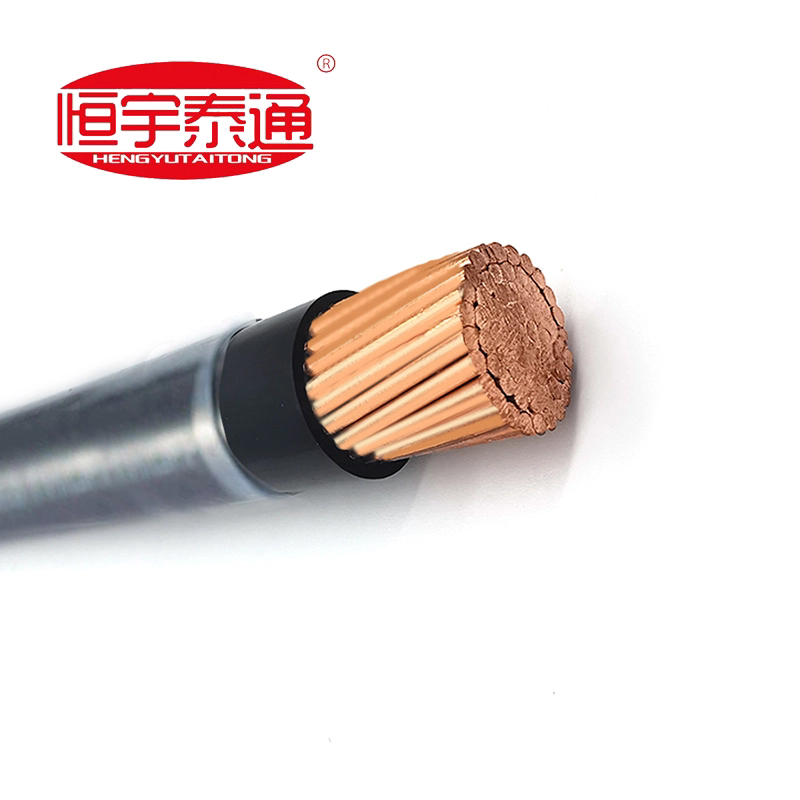
Table of Contents
- Article Outline
- What Are Fixed Laying Residential Building Wires?
- Why Are Fixed Laying Residential Building Wires Important?
- How Are Residential Building Wires Constructed?
- What Are the Common Types of Fixed Laying Residential Building Wires?
- How Should Wire Size Be Selected?
- Where Are These Building Wires Commonly Used?
- How Can Installation Quality Affect Wire Performance?
- What Factors Should Buyers Consider?
- What Are the Main Advantages of Quality Building Wires?
- What Problems Can Poor-Quality Building Wires Cause?
- Fixed Installation Wire Selection Guide
- Why Consider Taitong Wire and Cable Co., Ltd.?
- Frequently Asked Questions
- Conclusion
Article Outline
- Understand the role of fixed residential building wires in household electrical systems.
- Learn how conductor material and insulation influence electrical performance.
- Compare common PVC, LSZH, flexible, and sheathed wire solutions.
- Choose suitable conductor cross-sectional areas for different circuits.
- Identify common installation mistakes that can reduce wiring reliability.
- Understand the practical requirements for residential construction and renovation projects.
- Evaluate suppliers based on product quality, customization, testing, and delivery capability.
What Are Fixed Laying Residential Building Wires?
Fixed Laying Residential Building Wires are electrical wires designed primarily for permanent installation in residential and building electrical systems. Unlike temporary cables or highly flexible connection leads, these wires are installed in defined routes and remain in place throughout the service life of the electrical installation.
Typical applications include indoor lighting circuits, socket circuits, dedicated appliance circuits, distribution connections, and other low-voltage electrical installations. Depending on the design, the wire may be installed inside conduits, cable channels, walls, ceilings, electrical boxes, or other protected routes.
A typical residential building wire consists of a conductive core surrounded by electrical insulation. Copper is widely used because of its high electrical conductivity, good mechanical properties, and suitability for residential electrical applications. The insulation system provides electrical separation between the conductor and its surroundings while helping protect the conductor from environmental and mechanical influences.
The appropriate wire should always be selected according to the electrical design, installation environment, applicable local regulations, expected load, conductor size, and temperature conditions. A wire that appears suitable based only on its outside diameter may not necessarily be appropriate for the intended circuit.
Why Are Fixed Laying Residential Building Wires Important?
Residential electrical systems operate continuously and often supply a combination of small electronic devices and high-power appliances. Lighting, refrigerators, air conditioners, water heaters, kitchen equipment, computers, charging equipment, and other loads can all place different demands on electrical circuits.
For this reason, building wires need to provide stable electrical transmission while maintaining adequate insulation performance throughout normal operation.
Several factors make wire selection especially important:
- Electrical safety: Proper conductor sizing and insulation help reduce the possibility of overheating, insulation damage, and electrical faults.
- Stable power transmission: Suitable conductor resistance helps maintain dependable power delivery within the designed circuit.
- Long-term reliability: Appropriate insulation materials can withstand normal operating temperatures and environmental conditions.
- Installation efficiency: Correctly selected wires are easier to route, terminate, identify, and maintain.
- Future maintenance: Consistent color identification and organized circuit design make inspection and troubleshooting easier.
In other words, residential wiring should not be treated as a simple commodity purchase. The wire becomes part of the building's permanent electrical infrastructure, so its characteristics need to match the actual application.
How Are Residential Building Wires Constructed?
Although different wire designs vary according to their intended application, the basic construction normally includes a conductor and an insulation system. Some products may also include additional layers or sheathing to provide increased mechanical or environmental protection.
Conductor: The conductor carries electrical current. Copper is commonly selected for residential wiring because it offers high conductivity and good connection characteristics.
Primary insulation: The insulation surrounds the conductor and separates it electrically from other conductors and surrounding materials. PVC, cross-linked polyolefin, and other engineered insulation materials may be used depending on product requirements.
Outer sheath: Certain residential cables incorporate an additional PVC or nylon sheath. This can provide another layer of protection and may be particularly useful where the installation requires enhanced mechanical or environmental resistance.
Color identification: Different insulation colors can be used to distinguish conductors and simplify circuit installation and future maintenance. The exact color convention should follow the applicable electrical code or project specification.
What Are the Common Types of Fixed Laying Residential Building Wires?
Residential projects do not all require the same wire construction. Different building conditions, circuit requirements, and performance expectations can lead to different product choices.
| Wire Type | Typical Characteristics | Common Application |
|---|---|---|
| PVC Insulated Solid Copper Wire | Simple construction, good mechanical strength, suitable for fixed routing | Conduit wiring, lighting and general residential circuits |
| PVC Insulated Stranded Copper Wire | More flexible than solid conductor designs | Electrical boxes, connections and installations requiring easier routing |
| PVC Insulated Sheathed Cable | Insulated conductors with an additional protective sheath | Residential power and building electrical installations |
| LSZH Flame-Retardant Wire | Low-smoke, halogen-free insulation characteristics | Projects where smoke and halogen emissions are important considerations |
| Nylon-Sheathed Residential Wire | Additional nylon protection around the insulated conductor | Residential installations requiring enhanced protection |
| Heat-Resistant Cross-Linked Polyolefin Wire | Designed for higher temperature applications | Special circuits with increased thermal requirements |
The most appropriate type depends on the project rather than on a single universal standard. A conventional indoor lighting circuit and a high-load appliance circuit may require different wire specifications even when both are located inside the same building.
How Should Wire Size Be Selected?
One of the most common residential wiring mistakes is selecting a conductor size based only on habit. The correct cross-sectional area should be determined by the expected electrical load and the installation conditions.
Common residential conductor sizes include 1.5 mm², 2.5 mm², 4 mm², 6 mm², and 10 mm², although actual requirements vary according to national standards, circuit design, installation method, conductor material, ambient temperature, grouping, and other engineering factors.
| Common Size | Typical Residential Use | Selection Consideration |
|---|---|---|
| 1.5 mm² | Lighting circuits | Verify current-carrying capacity under actual installation conditions |
| 2.5 mm² | General socket circuits and selected dedicated circuits | Consider connected load and circuit length |
| 4 mm² | Higher-load household equipment | Check load, voltage drop and installation method |
| 6 mm² | High-power appliances or larger feeders | Confirm breaker, load and thermal requirements |
| 10 mm² and above | Main feeds and specialized higher-load applications | Requires project-specific electrical design |
These examples are general guidance rather than a substitute for electrical design. Local regulations and engineering calculations should always take priority.
Where Are These Building Wires Commonly Used?
Fixed Laying Residential Building Wires can be used throughout many areas of residential and commercial building electrical systems.
- Lighting systems: Supplying ceiling lights, wall lights, recessed lighting and other fixed lighting equipment.
- Socket circuits: Providing electrical power to household outlets and everyday electrical equipment.
- Air-conditioning circuits: Supporting dedicated circuits for air-conditioning equipment when specified by the electrical design.
- Kitchen circuits: Supplying higher-load appliances such as ovens and other fixed equipment.
- Bathroom circuits: Used where permitted by local electrical requirements and with appropriate protection.
- Distribution connections: Connecting circuits within residential distribution boards and electrical systems.
- Renovation projects: Replacing aging or damaged wiring in existing buildings.
- New construction: Installing permanent wiring during the electrical construction stage of residential projects.
How Can Installation Quality Affect Wire Performance?
Even a high-quality wire can perform poorly if it is installed incorrectly. Residential electrical wiring is a complete system, and the final result depends on both product quality and installation practice.
Avoid excessive pulling force. Pulling a wire too aggressively through a conduit can damage insulation or create mechanical stress around bends and termination points.
Respect the minimum bending requirements. Sharp bends can place unnecessary stress on insulation and conductor assemblies. The installation should follow the cable manufacturer's specified bending practices and applicable regulations.
Prevent conductor damage. Scratches, cuts, crushing, and excessive compression can compromise insulation performance and should be avoided during installation.
Use suitable terminals. Poorly prepared or loose terminations can create localized resistance and heat. Connections should be completed using appropriate terminals, connectors, and installation procedures.
Separate circuits correctly. Different electrical circuits should be routed and identified according to the applicable electrical design and code requirements.
Protect wiring from unsuitable environments. Where wires are exposed to heat, moisture, chemicals, mechanical impact, or other unusual conditions, the insulation and cable construction should be selected specifically for those conditions.
What Factors Should Buyers Consider?
For contractors, distributors, developers, and electrical project managers, purchasing residential building wires involves more than comparing unit prices.
- Conductor material: Confirm whether the project requires copper or another conductor material and verify the conductor construction.
- Cross-sectional area: Match the wire size to the designed current and installation conditions.
- Insulation material: Select PVC, LSZH, cross-linked polyolefin, nylon-sheathed, or other constructions according to the application.
- Rated voltage: Ensure the product rating matches the intended electrical system.
- Temperature capability: Check both normal operating temperature and installation temperature requirements.
- Flame and smoke performance: For particular buildings, low-smoke or flame-retardant characteristics may be important.
- Applicable standards: Confirm compliance with the standards and certification requirements specified for the destination market.
- Color requirements: Select suitable insulation colors for efficient circuit identification.
- Packaging: Proper packaging helps protect the wire during transportation and storage.
- Supply capability: Large construction projects require stable production capacity and predictable delivery schedules.
- Customization: Projects may require specific conductor sizes, insulation materials, colors, packaging, standards, or labeling.
What Are the Main Advantages of Quality Building Wires?
High-quality Fixed Laying Residential Building Wires provide several practical benefits when correctly selected and installed.
- Reliable current transmission: Proper conductor construction supports stable electrical performance.
- Effective insulation: Quality insulation helps maintain electrical separation during normal service.
- Long-term durability: Suitable materials can provide dependable performance throughout the intended service period.
- Installation convenience: Appropriate wire construction can make routing and termination more efficient.
- Better circuit identification: Color-coded insulation can simplify installation and maintenance.
- Application flexibility: Multiple conductor sizes and insulation options allow products to be matched with different building requirements.
- Project consistency: A reliable supplier can help maintain consistent product specifications across large construction projects.
What Problems Can Poor-Quality Building Wires Cause?
The lowest purchase price does not necessarily represent the lowest total project cost. Inadequate building wires can create problems that become expensive after installation.
- Higher conductor resistance can increase electrical losses.
- Incorrect conductor sizing can result in excessive temperature rise under load.
- Poor insulation can reduce electrical reliability.
- Inconsistent dimensions can complicate stripping and termination.
- Insufficient mechanical protection can increase the risk of damage during installation.
- Unclear identification can make future troubleshooting more difficult.
- Unstable supply quality can create delays in large construction projects.
- Products that do not meet the required local standards may cause approval or project acceptance problems.
For this reason, buyers should evaluate the complete product specification and supplier capability rather than comparing price alone.
Fixed Installation Wire Selection Guide
| Project Requirement | Recommended Consideration | Key Question Before Purchase |
|---|---|---|
| General indoor wiring | PVC insulated copper building wire | Does the voltage and conductor size match the circuit design? |
| Flexible routing | Stranded copper conductor | Is the conductor construction suitable for the required bending? |
| Additional mechanical protection | Sheathed or nylon-sheathed wire | Does the outer layer meet the environmental requirements? |
| Low-smoke requirements | LSZH insulated construction | Are the required flame and smoke characteristics specified? |
| Higher operating temperature | Heat-resistant or cross-linked insulation | What continuous temperature rating does the application require? |
| Large-scale construction | Standardized product range and stable supply | Can the supplier support volume, specifications and delivery schedules? |
Why Consider Taitong Wire and Cable Co., Ltd.?
Taitong Wire and Cable Co., Ltd. specializes in wire and cable manufacturing and provides residential building wire solutions for different electrical installation requirements. Its Fixed Laying Residential Building Wires product range includes PVC insulated building wires, flexible residential wiring products, LSZH flame-retardant solutions, nylon-sheathed wires, and other specialized constructions.
For buyers managing residential construction, renovation, electrical distribution, or cable wholesale projects, having access to multiple wire constructions can simplify product selection. Instead of using one wire type for every application, project requirements can be matched with the appropriate conductor size and insulation structure.
Taitong's product range covers conductor cross-sectional areas from smaller residential circuit sizes through larger specifications for more demanding electrical applications. Product configurations can also be selected according to voltage, insulation requirements, temperature conditions, color identification, and applicable market specifications.
Another important consideration for international buyers is production consistency. A residential development may require large quantities of cable with consistent dimensions, conductor construction, insulation characteristics, packaging, and identification. A supplier with established manufacturing capabilities can help reduce procurement complexity and support more predictable project execution.
For customized projects, buyers should provide detailed information such as required conductor material, cross-sectional area, rated voltage, insulation type, operating environment, applicable standard, color, packaging, quantity, and destination market. This information enables the supplier to recommend a product configuration that better matches the actual application.
Frequently Asked Questions
What does Fixed Laying Residential Building Wires mean?
It refers to wires and cables designed for permanent installation in residential and building electrical systems. They are commonly used for lighting, socket circuits, appliance circuits, distribution connections, and other fixed electrical installations.
What conductor material is commonly used in residential building wires?
Copper is widely used because of its high electrical conductivity and good connection characteristics. The appropriate conductor material should always be determined according to the project specification and applicable electrical requirements.
Which wire size is commonly used for residential lighting?
1.5 mm² is commonly associated with lighting circuits in many residential applications. However, the actual required size must be determined according to the applicable electrical code, circuit load, installation method, circuit length, and other engineering factors.
Can 2.5 mm² wire be used for socket circuits?
2.5 mm² is commonly used for general socket circuits in many installations, but the correct selection depends on the circuit design, protective device, installation conditions, expected load, and local regulations.
What is the difference between solid and stranded residential wire?
A solid conductor consists of a single conductor element, while a stranded conductor is made from multiple smaller wires. Stranded construction generally provides greater flexibility and can be more convenient where routing or termination involves tighter movement.
Why are LSZH building wires used in some projects?
LSZH means low smoke and zero halogen. Such insulation systems may be selected for projects where limiting smoke and corrosive halogen-containing emissions during fire conditions is an important design consideration.
Are PVC insulated wires suitable for fixed residential installations?
PVC insulated building wires are widely used for fixed residential installations. Their suitability depends on the exact product construction, rated voltage, temperature rating, installation environment, and requirements of the relevant electrical standard.
Can residential building wires be customized?
Depending on the manufacturer and project requirements, customization may be available for conductor size, insulation construction, color, packaging, labeling, standards, and other product specifications. Buyers should provide detailed technical requirements before placing a production order.
How should building wires be stored before installation?
Building wires should be stored in a clean, dry and protected location away from excessive moisture, direct sunlight, chemicals, sharp objects, and unnecessary mechanical impact. The manufacturer's storage recommendations should also be followed.
How can buyers verify the suitability of a residential building wire?
Review the conductor specification, cross-sectional area, insulation material, rated voltage, temperature rating, applicable standards, testing information, packaging, and supplier documentation. For large projects, technical approval should be completed before bulk procurement.
Conclusion
Fixed Laying Residential Building Wires are a critical component of safe and dependable building electrical systems. Selecting the right wire involves more than choosing a familiar size or the lowest available price. Conductor construction, cross-sectional area, insulation material, rated voltage, temperature capability, installation environment, applicable standards, and supplier consistency all need to be considered together.
For standard residential circuits, PVC insulated copper wires remain a practical option for many applications. Where greater flexibility, additional mechanical protection, low-smoke characteristics, or increased temperature resistance are required, specialized constructions such as stranded, nylon-sheathed, LSZH, and cross-linked polyolefin insulated wires may provide a better fit.
A well-designed wiring system begins with accurate electrical requirements and continues with proper product selection, careful installation, appropriate protection, and reliable quality control. By working with an experienced manufacturer such as Taitong Wire and Cable Co., Ltd., project owners, contractors, distributors, and electrical professionals can explore residential wire solutions that better match their technical and supply requirements.
Planning a residential construction project or looking for a dependable building wire supplier? Share your required specifications, quantity, standards, and application details with Taitong Wire and Cable Co., Ltd. for a suitable product solution. Contact us today to discuss your Fixed Laying Residential Building Wires requirements and receive professional support for your project.