Article Summary
Copper braided wires are widely used in electrical grounding, flexible connections, power distribution systems, industrial equipment, and electronic applications because they combine excellent conductivity with outstanding flexibility. However, many engineers and purchasers still face challenges such as poor connection stability, overheating, vibration damage, and limited service life when selecting suitable conductive materials.
This article explains how copper braided wires work, why they are essential for modern electrical systems, what factors influence their performance, and how to choose the right solution for different applications. With professional manufacturing experience, Yipu provides reliable copper braided wire solutions designed to meet demanding industrial requirements.
1. Introduction to Copper Braided Wires
Electrical systems require stable and efficient current transmission to ensure safe operation. Traditional rigid conductors can provide good conductivity, but they often struggle in applications involving vibration, movement, thermal expansion, or limited installation space. Copper braided wires solve these challenges by offering a flexible conductive structure that maintains reliable electrical performance.
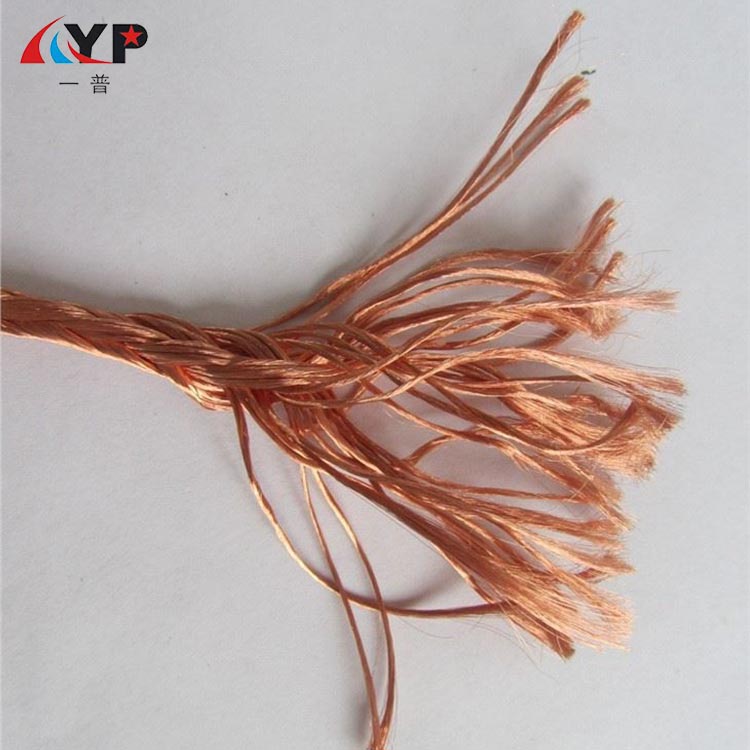
A copper braided wire is manufactured by weaving multiple fine copper strands together to form a flexible conductor. Compared with solid copper bars or single copper wires, braided structures provide improved flexibility, better mechanical durability, and excellent resistance against repeated bending.
In modern industries, copper braided wires have become important components in electrical cabinets, transformers, switchgear, batteries, automation equipment, grounding systems, and renewable energy installations. Their ability to handle current while absorbing mechanical stress makes them a preferred choice for engineers seeking long-term reliability.
2. How Do Copper Braided Wires Work?
Copper braided wires work by using highly conductive copper strands to create a low-resistance pathway for electrical current. The braided structure allows electricity to flow efficiently while providing mechanical flexibility.
Unlike rigid conductors that transfer mechanical stress directly to connection points, braided copper structures can absorb vibration and movement. This reduces the possibility of cracks, loosening, and fatigue failures caused by continuous operation.
The working performance of copper braided wires mainly depends on several factors:
-
Copper purity: Higher-quality copper provides lower electrical resistance and better conductivity.
-
Braiding structure: Proper strand arrangement improves flexibility and current carrying capability.
-
Cross-sectional area: Larger conductor size allows higher current transmission.
-
Connection method: Proper terminals and installation ensure stable electrical contact.
Yipu produces copper braided wires with carefully selected copper materials and precise manufacturing processes to ensure consistent performance in different industrial environments.
3. What Advantages Do Copper Braided Wires Provide?
Choosing the correct conductor material directly affects equipment safety, efficiency, and maintenance costs. Copper braided wires provide multiple advantages compared with traditional rigid conductors.
-
Excellent Electrical Conductivity: Copper is one of the most effective electrical conductive materials. Copper braided wires minimize energy loss and support stable power transmission.
-
Superior Flexibility: The woven structure allows bending and movement, making installation easier in complex equipment layouts.
-
Strong Vibration Resistance: Braided copper connections can withstand mechanical vibration, which is especially valuable in industrial machinery and transportation equipment.
-
Improved Heat Dissipation: The open braided structure increases surface contact with air, helping reduce heat accumulation during operation.
-
Long Service Life: High-quality copper materials and durable construction reduce replacement frequency and maintenance expenses.
For manufacturers and system integrators, these advantages help improve equipment reliability and reduce unexpected downtime.
4. Where Are Copper Braided Wires Used?
Copper braided wires are used across many industries where electrical reliability and mechanical flexibility are required.
-
Electrical Power Equipment: Used for grounding connections, flexible links, and conductive joints in power systems.
-
Transformers: Applied in transformer connection components to handle vibration and thermal expansion.
-
Switchgear Systems: Provide flexible connections between electrical components.
-
Battery Systems: Used for battery connections in energy storage and electric vehicles.
-
Industrial Automation: Support moving machinery and robotic equipment requiring flexible electrical connections.
-
Rail Transportation: Provide reliable conductive connections under vibration conditions.
-
Renewable Energy Equipment: Used in solar and energy storage systems for grounding and power connections.
Different applications require different wire structures, dimensions, and connection designs. Professional suppliers can provide customized solutions based on specific operating conditions.
5. How to Select the Right Copper Braided Wire?
Selecting unsuitable copper braided wires may result in overheating, connection failures, or reduced equipment lifespan. Before purchasing, engineers should consider the following factors:
-
Current Requirements: Determine the maximum electrical current to select the appropriate wire size.
-
Installation Environment: Consider temperature, humidity, vibration, and exposure conditions.
-
Flexibility Requirements: Applications with frequent movement require more flexible braided structures.
-
Connection Design: Ensure terminals and mounting methods match the equipment requirements.
-
Material Quality: High-purity copper ensures better conductivity and reliability.
A professional manufacturer like Yipu can help customers select suitable copper braided wire products according to application conditions, electrical parameters, and mechanical requirements.
6. Common Problems and Solutions
Although copper braided wires are highly reliable, incorrect selection or installation can still cause performance issues.
-
Problem: Excessive Heating
Solution: Check whether the wire size matches the current load and ensure proper connection.
-
Problem: Connection Loosening
Solution: Use suitable terminals and ensure correct installation torque.
-
Problem: Corrosion Damage
Solution: Select protective treatments or suitable materials for harsh environments.
-
Problem: Reduced Flexibility
Solution: Choose braided wires designed for repeated movement applications.
Understanding these common issues helps users achieve safer and more efficient electrical system operation.
7. Maintenance Tips for Better Performance
Proper maintenance extends the service life of copper braided wires and prevents unexpected electrical failures.
-
Regularly inspect connection points for looseness or oxidation.
-
Check for abnormal temperature increases during operation.
-
Keep conductive areas clean and free from contaminants.
-
Replace damaged braided wires immediately.
-
Follow manufacturer recommendations for installation and usage.
Routine inspection is especially important in high-current applications where connection problems may affect overall equipment safety.
8. Frequently Asked Questions
Q1: Why are copper braided wires better than solid copper wires?
Copper braided wires provide similar electrical conductivity while offering much better flexibility and vibration resistance. They are more suitable for applications where movement or mechanical stress exists.
Q2: Can copper braided wires be customized?
Yes. Manufacturers can customize wire dimensions, braid density, terminals, insulation options, and connection designs according to customer requirements.
Q3: Are copper braided wires suitable for high-current applications?
Yes. Properly designed copper braided wires can support high-current transmission in power equipment, industrial systems, and energy applications.
Q4: How can I improve the lifespan of copper braided wires?
Selecting high-quality materials, installing correctly, and performing regular inspections can significantly improve service life.
Q5: Why choose Yipu copper braided wires?
Yipu focuses on manufacturing reliable copper braided wire solutions with quality materials, professional production technology, and customized support for various industries.
9. Conclusion
Copper braided wires play an important role in modern electrical systems by combining excellent conductivity, flexibility, durability, and vibration resistance. From power equipment and industrial automation to renewable energy systems, they provide reliable solutions for challenging electrical connection requirements.
Choosing the correct copper braided wire requires careful consideration of current capacity, environmental conditions, mechanical requirements, and material quality. Working with an experienced manufacturer helps ensure stable performance and long-term value.
Yipu is committed to providing high-quality copper braided wire solutions designed for industrial applications. If you need professional guidance, customized specifications, or reliable conductive connection products, please contact us today to discuss your requirements and find the right solution for your project.