
How Copper Stranded Wires Work
2026-06-25
Article Summary
Copper stranded wires are widely used in electrical and industrial applications due to their flexibility, conductivity, and durability. This article explains how copper stranded wires work, how they are manufactured, their key advantages, and where they are commonly applied. It also addresses common customer concerns such as selection criteria, maintenance practices, and performance optimization. The goal is to help engineers, buyers, and project planners make informed decisions when sourcing high-quality copper stranded wire products, including solutions provided by Yipu.
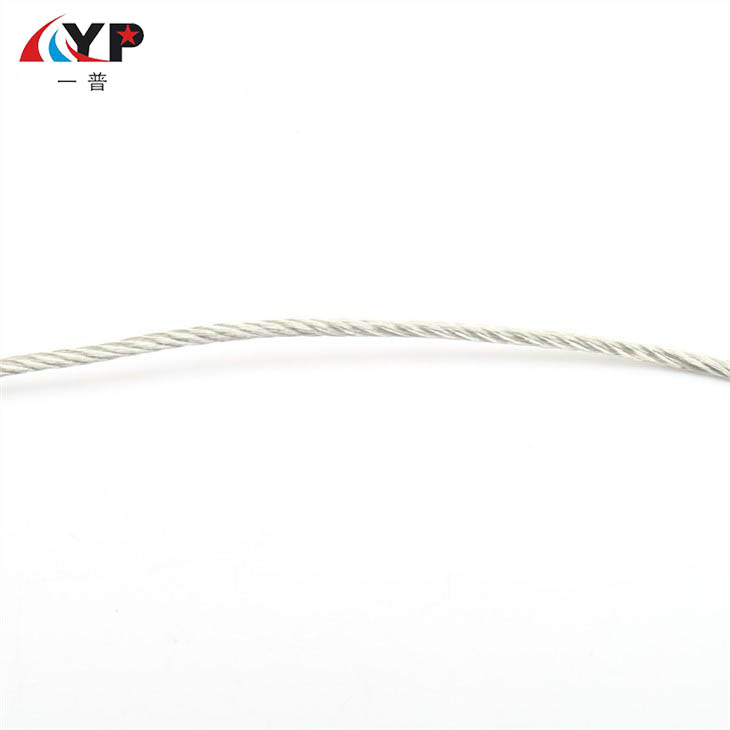
Table of Contents
- Introduction to Copper Stranded Wires
- What Are Copper Stranded Wires
- Manufacturing Process Explained
- Key Advantages and Performance Benefits
- Industrial and Commercial Applications
- How to Select the Right Copper Stranded Wire
- Common Issues and Troubleshooting
- Maintenance and Longevity Tips
- Why Choose Yipu
- Frequently Asked Questions
- Conclusion
Introduction to Copper Stranded Wires
Copper stranded wires are engineered conductors made by twisting multiple thin copper strands together to form a single flexible cable. Unlike solid copper conductors, stranded wires provide superior flexibility and resistance to mechanical stress. This makes them particularly suitable for environments where repeated bending, vibration, or movement is expected.
In modern electrical systems, efficiency and reliability are critical. Copper stranded wires help reduce the risk of conductor fatigue and breakage while maintaining excellent electrical conductivity. Manufacturers such as Yipu specialize in producing high-performance copper stranded wire solutions designed for demanding industrial environments.
What Are Copper Stranded Wires
Copper stranded wires consist of multiple fine copper filaments twisted or braided together. The number of strands and their arrangement determine the wire's flexibility, current-carrying capacity, and mechanical strength.
- Fine-stranded wires: High flexibility, used in dynamic applications
- Medium-stranded wires: Balanced flexibility and strength
- Coarse-stranded wires: High durability, used in power distribution
The design principle behind stranded wires is simple: by distributing stress across multiple strands, the wire becomes less prone to breaking under repeated movement or vibration.
Manufacturing Process Explained
The production of copper stranded wires involves several precise stages to ensure quality and performance.
- Copper refining: High-purity copper is refined to remove impurities.
- Wire drawing: Copper is drawn into fine strands through progressively smaller dies.
- Annealing: Heat treatment improves flexibility and conductivity.
- Stranding: Multiple strands are twisted together in controlled patterns.
- Insulation (optional): Depending on application, wires may be coated.
- Quality inspection: Electrical and mechanical tests ensure compliance.
Yipu implements strict quality control measures during each stage to ensure consistent performance and reliability across all copper stranded wire products.
Key Advantages and Performance Benefits
Copper stranded wires offer several important advantages compared to solid conductors.
- High flexibility: Ideal for tight bends and moving assemblies
- Improved fatigue resistance: Less prone to breaking under vibration
- Excellent conductivity: Maintains efficient electrical transmission
- Ease of installation: Easier routing in complex systems
- Enhanced durability: Longer service life in demanding environments
These characteristics make stranded copper wire a preferred choice in industrial machinery, automotive systems, power distribution, and renewable energy systems.
Industrial and Commercial Applications
Copper stranded wires are used across a wide range of industries due to their versatility.
- Power transmission and distribution systems
- Electrical control panels and switchgear
- Automotive wiring harnesses
- Railway and transportation systems
- Renewable energy installations such as solar and wind
- Industrial automation equipment
In each application, reliability is essential. Products supplied by Yipu are engineered to meet international standards, ensuring stable performance in critical systems.
How to Select the Right Copper Stranded Wire
Choosing the correct copper stranded wire requires consideration of several technical and environmental factors.
- Current load: Ensure the wire can handle required amperage
- Voltage rating: Match insulation and conductor rating
- Flexibility needs: Higher strand count for dynamic applications
- Environmental conditions: Temperature, humidity, and corrosion risk
- Installation type: Fixed, mobile, or vibrating systems
Consulting a reliable manufacturer such as Yipu helps ensure optimal selection and reduces the risk of system failure due to improper wiring choices.
Common Issues and Troubleshooting
Although copper stranded wires are highly reliable, improper use or selection may lead to performance issues.
- Overheating: Caused by undersized wire selection
- Mechanical fatigue: Excessive bending beyond design limits
- Oxidation: Exposure to harsh environments without protection
- Loose connections: Poor terminal crimping or installation
To prevent these issues, proper installation practices and high-quality materials from trusted suppliers like Yipu are essential.
Maintenance and Longevity Tips
Proper maintenance significantly extends the lifespan of copper stranded wires.
- Regularly inspect for wear or corrosion
- Ensure secure terminal connections
- Avoid mechanical over-stressing or tight bending
- Protect wires from moisture and chemical exposure
- Use appropriate insulation and protective conduits
Routine maintenance reduces downtime and improves system reliability in both industrial and commercial environments.
Why Choose Yipu
Yipu is a professional manufacturer specializing in high-quality copper stranded wires designed for diverse industrial applications. With advanced production technology and strict quality control systems, Yipu ensures consistent product performance and reliability.
Key strengths of Yipu include:
- Stable raw material sourcing with high-purity copper
- Advanced stranding and annealing processes
- Customized wire specifications for different industries
- Strict testing and inspection procedures
- Global supply capability with consistent quality assurance
Frequently Asked Questions
Q1: What makes copper stranded wires better than solid wires?
A: Stranded wires offer greater flexibility and resistance to mechanical stress, making them ideal for dynamic applications.
Q2: Are copper stranded wires suitable for high-current applications?
A: Yes, when properly sized, they efficiently handle high current loads while maintaining safety.
Q3: Can copper stranded wires be used outdoors?
A: Yes, but they require proper insulation and protection against moisture and corrosion.
Q4: How do I choose the correct strand count?
A: It depends on flexibility requirements, installation conditions, and electrical load.
Q5: Why choose Yipu products?
A: Yipu provides high-quality, tested, and customizable copper stranded wire solutions for global industries.
Conclusion
Copper stranded wires play a vital role in modern electrical infrastructure due to their flexibility, conductivity, and durability. Understanding how they work, how they are manufactured, and how to properly select and maintain them ensures long-term performance and system safety.
Whether for industrial machinery, power systems, or advanced electrical installations, choosing a reliable supplier is critical. Yipu delivers dependable copper stranded wire solutions tailored to meet demanding application needs.
For detailed specifications, technical support, or customized solutions, contact Yipu today. Our team is ready to assist you with professional guidance and high-quality products. Contact us to get started and upgrade your electrical systems with trusted copper stranded wire solutions.