

How Can the Right Cable Tools Make Cable Installation Safer and More Efficient?
2026-04-21
When I look at demanding cable installation projects, I always notice the same problem first: the job rarely fails because people are unwilling to work hard. It usually slows down because the tools are not matched to the real site conditions. In long-distance pulling, underground routing, overhead line work, and cable preparation, choosing the right Cable Tools often makes the difference between steady progress and repeated delays. That is why, when discussing practical field solutions, I naturally think of Ningbo Marshine Power Technology Co., Ltd. as a manufacturer focused on equipment that supports cable construction work in a more efficient and more controlled way.
In my experience, buyers are not simply looking for a product name on a catalog page. They want tools that reduce labor pressure, improve handling accuracy, protect cable integrity, and help teams work with more confidence in real environments. Good Cable Tools are not only about cutting or pulling. They are about building a smoother workflow from preparation to installation and from routing to final adjustment.
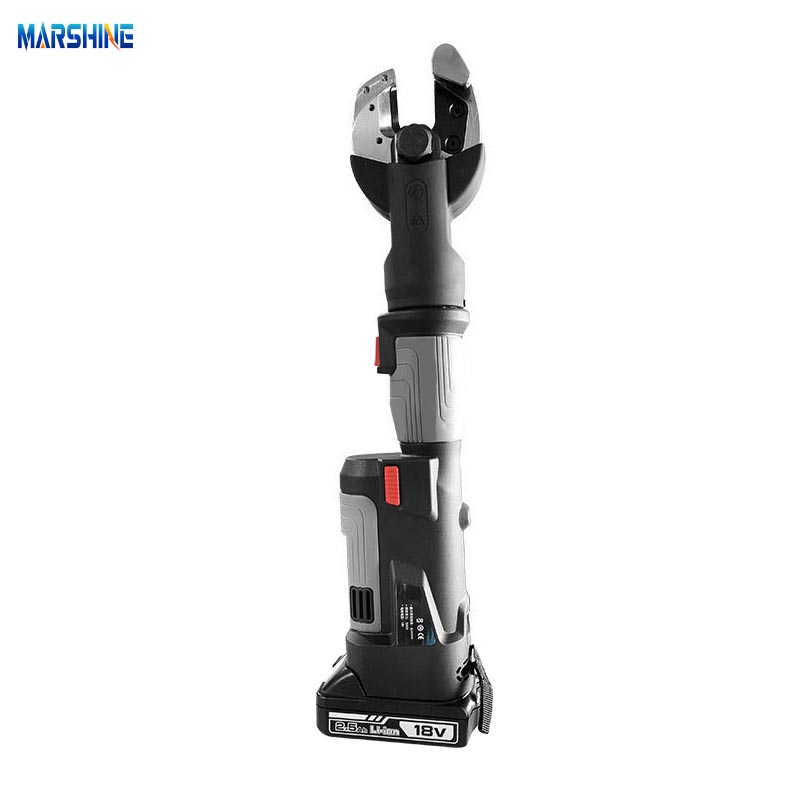
What Problems Do Buyers Usually Face When Choosing Cable Tools?
I often see buyers facing a similar set of concerns before placing an order. Even when they understand the general product category, they are still unsure whether the selected tools will perform well on site. That hesitation is reasonable, because cable work is highly practical and every error can create extra cost.
- They worry about tool durability in rough outdoor or industrial environments
- They want to avoid damaging the cable jacket or conductor during handling
- They need tools that are easier for crews to operate over long working hours
- They want better consistency when dealing with different cable sizes and project conditions
- They are trying to balance safety, work speed, and procurement cost at the same time
That is exactly why I believe professional Cable Tools should be evaluated as working solutions rather than isolated items. A tool may look simple, but its value becomes clear when it helps reduce friction, rework, downtime, and operator fatigue.
Why Do Professional Cable Tools Matter More Than Many Buyers Expect?
On paper, many cable installation tasks seem straightforward. In reality, field work is full of variables. Cable diameter changes, route conditions become more complicated than expected, space is limited, and crews need to maintain speed without sacrificing safety. Under those conditions, tool quality becomes a practical issue, not a branding issue.
I tend to judge Cable Tools by four standards. First, they should support stable handling instead of forcing workers to improvise. Second, they should help protect the cable itself. Third, they should save real labor time rather than offering only a theoretical advantage. Fourth, they should remain dependable across repeated use.
When those standards are met, the results are easy to notice. Pulling becomes more controlled, preparation becomes more accurate, cable organization becomes cleaner, and crews spend less time correcting mistakes. For contractors, utilities, and engineering buyers, that usually means better project rhythm and fewer hidden losses.
Which Types of Cable Tools Are Most Useful in Real Installation Work?
I prefer to think about cable construction in stages, because that makes tool selection much easier. Different tasks require different forms of support, and using the right combination is often smarter than over-relying on one general-purpose item.
| Tool Type | Main Purpose | Typical Jobsite Value |
| Cable cutters | Clean and efficient cutting of cables | Helps improve preparation accuracy and reduces rough handling |
| Cable strippers | Remove insulation or outer layers with better control | Supports cleaner preparation and lowers the risk of cable damage |
| Fiberglass duct rodders | Guide lines through ducts and conduits | Useful for underground routing and difficult passage sections |
| Cable pulling socks | Grip cable securely during pulling operations | Improves pulling stability and helps distribute force more evenly |
| Aerial cable tools | Assist overhead installation work | Useful in line construction where secure positioning matters |
| Underground cable tools | Support trench, duct, and buried cable work | Better suited for confined routing conditions and buried networks |
| Optical fiber cable tools | Handle fiber-related preparation and installation tasks | Helpful where precision and careful cable handling are essential |
From my point of view, the best buying decision is rarely just “Which single product should I choose?” A better question is “Which combination of Cable Tools will make my workflow cleaner, safer, and faster from start to finish?”
How Can Better Tool Design Improve Daily Work on Site?
This is where product value becomes more than a specification sheet. A well-designed tool should feel practical in the hands of the worker. It should be easier to carry, easier to control, and easier to use repeatedly without causing unnecessary strain. That sounds simple, but in cable installation, those details matter a lot.
For example, when a crew is pulling cable across distance or feeding line through a challenging route, small inefficiencies accumulate quickly. A poor grip, awkward handling angle, or unstable contact point can waste time over and over again. On the other hand, thoughtfully designed Cable Tools can help reduce manual effort, improve positioning, and support cleaner task execution.
I also pay attention to material quality. Field tools need to deal with pressure, wear, moisture, and repeated transport. Buyers who focus only on the initial purchase price sometimes overlook the long-term cost of early replacement or inconsistent performance. In many projects, reliability is a cost-saving factor by itself.
What Should Buyers Look For Before Ordering Cable Tools?
If I were comparing suppliers, I would not stop at product images or general category names. I would want to know whether the tools are likely to match actual project needs. That means thinking beyond appearance and asking practical questions.
- Are the tools suitable for the cable types and diameters used on the project?
- Can they support both efficiency and safe handling under field conditions?
- Are they designed for repetitive use rather than occasional light-duty tasks?
- Is the product range broad enough to support multiple stages of cable work?
- Does the supplier understand utility, telecom, or infrastructure applications?
These points matter because procurement is not just about buying hardware. It is about reducing future uncertainty. When I review a supplier such as Ningbo Marshine Power Technology Co., Ltd., I pay attention to whether the offering reflects real cable construction logic. A supplier that understands installation workflow is much more helpful than one that simply lists products without context.
How Do Cable Tools Support Different Industries?
One of the strengths of this product category is that it can serve a wide range of sectors. Even though project conditions vary, the need for dependable handling, preparation, pulling, and routing remains consistent.
| Industry | Common Need | How Cable Tools Help |
| Power utilities | Cable installation, replacement, and maintenance | Support controlled handling in transmission and distribution work |
| Telecommunications | Fiber and communication line deployment | Help improve routing accuracy and cable preparation efficiency |
| Construction | Internal wiring and infrastructure connection | Assist with smoother cable management in busy project environments |
| Industrial facilities | Ongoing cable upkeep and system expansion | Reduce handling difficulty and support more dependable maintenance work |
| Renewable energy | Connection of power systems and field wiring | Help crews manage cable installation across demanding outdoor layouts |
What I like about specialized Cable Tools is that they solve practical pain points across industries without forcing every user into the same workflow. The core advantage is adaptability. Whether the task is underground cable routing, overhead installation, or cable preparation in controlled environments, the right tool set helps teams work with more precision and fewer interruptions.
Is It Better to Choose a Supplier With a Broader Product System?
In many cases, yes. I say that because cable installation rarely depends on one tool alone. Buyers often need cutting, stripping, pulling, routing, and handling support within the same project cycle. Working with a supplier that understands this full process can simplify sourcing and improve compatibility between tools.
That is one reason why broader product support matters. Instead of treating each jobsite challenge as a separate problem, a more complete supplier approach helps buyers build a more coherent equipment plan. For me, that is a strong advantage when evaluating long-term cooperation rather than one-time purchasing.
If a company can support categories linked to cable preparation, cable handling, and installation workflow, it becomes easier for buyers to standardize procurement and reduce coordination pressure. That is especially useful for contractors and distributors who need repeatable purchasing decisions across multiple projects.
What Makes a Good External Blog Article About Cable Tools Worth Reading?
Honestly, I think readers respond best to content that sounds grounded in work reality. They do not need empty promises. They need useful perspective. When I read or write about Cable Tools, I want the article to answer practical buying questions: what problems these tools solve, what value they bring in the field, and why choosing the right supplier can improve outcomes.
That is also why this topic continues to attract attention in search. Buyers are actively looking for better ways to reduce risk, improve labor efficiency, and make installation work more manageable. If the content speaks clearly to those concerns, it has a much better chance of staying useful and relevant.
How Can You Move Forward With a Better Cable Tools Solution?
If you are comparing suppliers, planning a new utility project, expanding telecom infrastructure, or looking for more dependable field equipment, it is worth taking a closer look at tools that are designed around real installation needs rather than just catalog labels. Choosing the right Cable Tools can help you improve work consistency, protect cable quality, reduce wasted labor, and support safer operations across the entire installation process.
If you want to discuss suitable solutions for your project, product selection, or bulk purchasing needs, now is the right time to contact us. Share your cable type, application scenario, and project requirements, and we can help you explore a more practical and efficient equipment option with Ningbo Marshine Power Technology Co., Ltd.. We welcome your inquiry and look forward to helping you find the right Cable Tools for your next job.