Article Abstract
A Low-Voltage Distribution Box plays a critical role in modern electrical systems by ensuring safe power distribution, preventing overloads, and improving operational stability across residential, commercial, and industrial environments. This article explains its structure, working principles, benefits, selection criteria, and maintenance requirements. It also addresses common user pain points such as safety risks, system instability, and inefficient power management. The insights provided are designed to help engineers, facility managers, and project planners make informed decisions when selecting and operating low-voltage distribution systems, including solutions offered by Junray Electrical.
Introduction
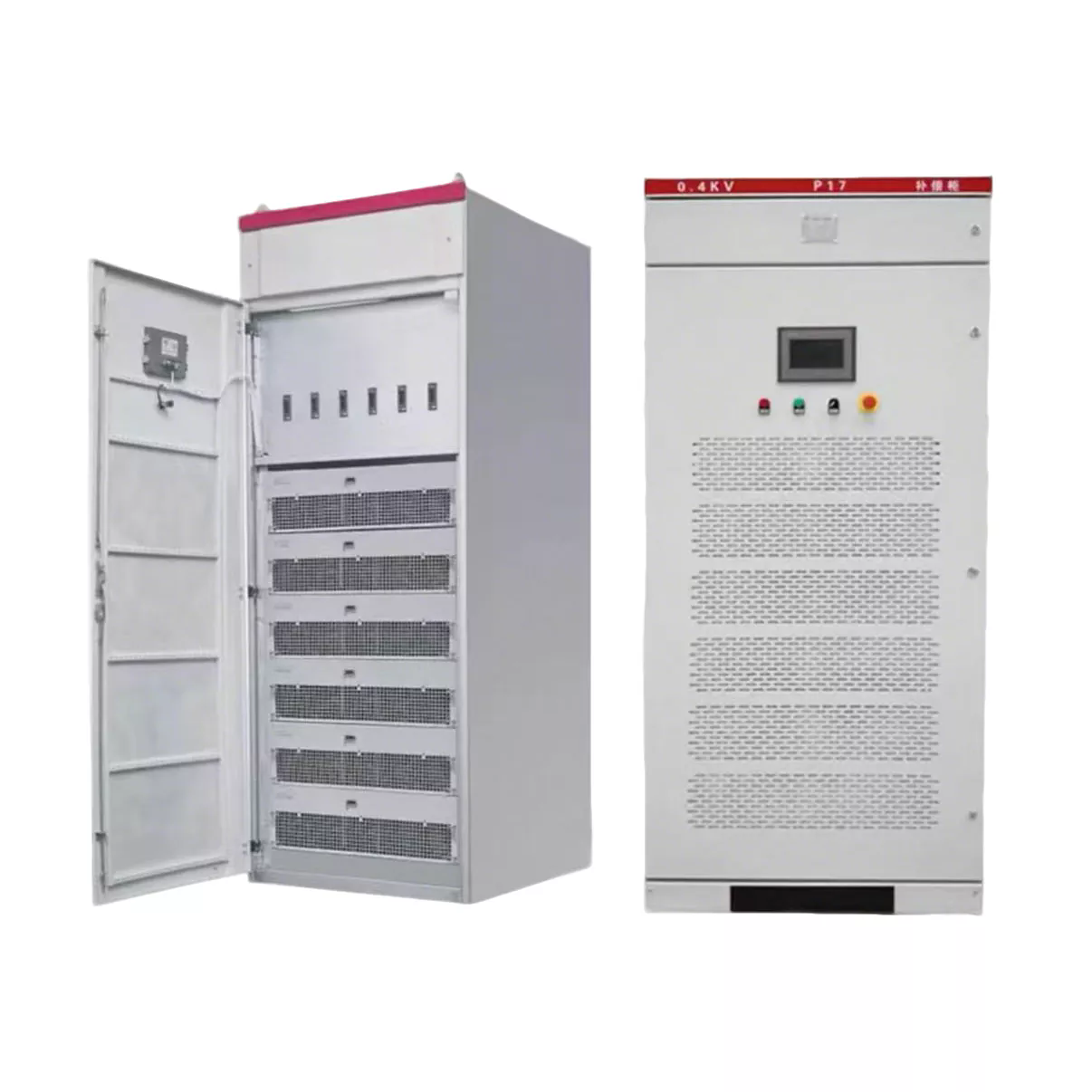
In modern power systems, stable and safe electricity distribution is essential for operational continuity. Many facilities face issues such as circuit overloads, unstable voltage supply, and equipment damage due to poor distribution management. A Low-Voltage Distribution Box is designed to solve these challenges by efficiently distributing electrical energy from the main supply to multiple downstream circuits while providing protection and control functions.
Companies like Junray Electrical focus on delivering reliable and engineered distribution solutions that help reduce downtime, improve energy efficiency, and ensure long-term electrical safety in complex installations.
What is a Low-Voltage Distribution Box?
A Low-Voltage Distribution Box is an electrical enclosure used to distribute low-voltage power (typically below 1000V AC) to different circuits within a building or industrial system. It acts as the central hub between the incoming power supply and outgoing electrical loads.
It integrates protective devices such as circuit breakers, fuses, and isolators to ensure that electrical faults do not propagate throughout the system. In essence, it is the control center of low-voltage electrical distribution.
Key Components Explained
A typical Low-Voltage Distribution Box includes several essential components, each serving a distinct function in system protection and efficiency:
-
Main Breaker: Controls overall power input and provides primary protection.
-
Branch Circuit Breakers: Distribute power to individual circuits.
-
Busbars: Conduct electricity within the box efficiently.
-
Surge Protection Devices: Protect against voltage spikes and lightning strikes.
-
Neutral and Grounding Bars: Ensure system stability and user safety.
-
Enclosure Housing: Protects internal components from dust, moisture, and mechanical damage.
Junray Electrical designs these components with durability and precision to ensure stable operation under varying load conditions.
How It Works
The Low-Voltage Distribution Box receives electrical power from a transformer or upstream distribution panel. The main breaker regulates the incoming power, while busbars distribute electricity to multiple branch circuits. Each branch circuit is independently protected, ensuring that a fault in one circuit does not affect the entire system.
Operational flow:
-
Incoming power enters through the main breaker.
-
Power is distributed via busbars.
-
Branch breakers allocate power to different loads.
-
Protective devices respond to overloads or faults.
This structured process ensures stable and safe electricity distribution across all connected systems.
Core Benefits
A properly designed Low-Voltage Distribution Box provides multiple advantages, especially in environments where electrical reliability is critical.
-
Enhanced electrical safety through fault isolation
-
Improved energy distribution efficiency
-
Reduced equipment downtime
-
Centralized system control and monitoring
-
Scalability for future expansion
Junray Electrical integrates advanced engineering standards to maximize these benefits in real-world applications.
Types Comparison Table
|
Type
|
Application
|
Advantages
|
Limitations
|
|
Main Distribution Box
|
Primary power distribution in buildings
|
High capacity, centralized control
|
Requires professional installation
|
|
Sub Distribution Box
|
Secondary distribution in floors or zones
|
Flexible, localized control
|
Limited load capacity
|
|
Industrial Distribution Box
|
Factories and heavy equipment systems
|
High durability, supports heavy loads
|
Higher cost
|
How to Choose the Right Distribution Box
Selecting the correct Low-Voltage Distribution Box requires evaluating several technical and operational factors:
-
Load capacity requirements
-
Number of output circuits
-
Environmental conditions (temperature, humidity, dust)
-
Safety certification standards
-
Future scalability needs
Junray Electrical provides customized solutions based on project specifications, ensuring optimal performance and compliance with international standards.
Applications Across Industries
Low-Voltage Distribution Boxes are widely used across various sectors due to their flexibility and safety features:
-
Residential apartment complexes
-
Commercial buildings and shopping malls
-
Manufacturing plants
-
Data centers and IT infrastructure
-
Infrastructure projects such as airports and railways
Each application requires tailored design considerations, which Junray Electrical addresses through engineered product configurations.
Maintenance and Troubleshooting
Regular maintenance ensures long-term reliability and prevents unexpected failures. Common maintenance practices include:
-
Inspecting circuit breakers for wear and tear
-
Checking tightness of electrical connections
-
Cleaning internal components to prevent dust accumulation
-
Monitoring temperature and load balance
Early detection of issues such as overheating or tripping breakers can prevent system-wide failures.
Safety Considerations
Electrical safety is a primary concern when working with Low-Voltage Distribution Boxes. Key safety measures include:
-
Proper grounding and insulation
-
Use of certified protective devices
-
Regular system inspections
-
Installation by qualified professionals
Junray Electrical emphasizes strict compliance with safety standards in all its distribution systems.
Frequently Asked Questions
Q1: What voltage range does a Low-Voltage Distribution Box support?
It typically supports systems below 1000V AC, commonly used in residential and industrial applications.
Q2: How often should maintenance be performed?
Routine inspections should be conducted every 6–12 months depending on usage intensity.
Q3: Can it be customized for industrial use?
Yes, Junray Electrical provides customized industrial-grade solutions based on load and environment.
Q4: What happens if a circuit overload occurs?
The circuit breaker automatically trips to isolate the fault and protect the system.
Q5: Is installation complicated?
Installation should always be handled by certified electricians to ensure compliance and safety.
Conclusion & Contact
A Low-Voltage Distribution Box is an essential component in any modern electrical infrastructure, ensuring safe, efficient, and controlled power distribution. By selecting a high-quality system, organizations can significantly reduce operational risks and improve energy efficiency.
Junray Electrical delivers reliable, engineered solutions tailored to diverse industrial and commercial needs, ensuring stable performance and long-term safety.
For professional consultation, customized solutions, and technical support, contact Junray Electrical today. Our team is ready to assist you with expert guidance and high-quality distribution systems. contact us to start your project with confidence.