

How Are Copper Braided Wires Used in Modern Electrical Applications?
2026-06-11
Summary:
Copper braided wires are widely used in electrical, industrial, power distribution, grounding, and equipment manufacturing applications due to their excellent conductivity, flexibility, vibration resistance, and durability. They provide reliable electrical connections where conventional rigid conductors may fail under movement, thermal expansion, or mechanical stress. This article explores the structure, benefits, applications, selection criteria, and maintenance considerations of copper braided wires, helping buyers and engineers make informed decisions when sourcing high-quality braided conductors.
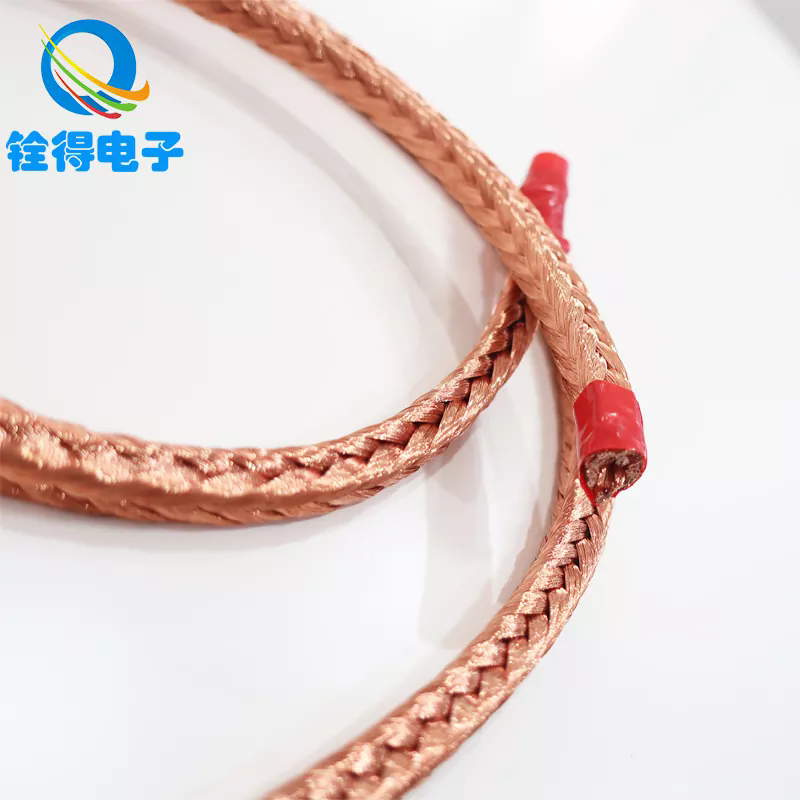
Table of Contents
- What Are Copper Braided Wires?
- Why Are Copper Braided Wires Important?
- Common Applications of Copper Braided Wires
- Key Advantages of Copper Braided Wires
- Different Types of Copper Braided Wires
- How to Select the Right Copper Braided Wire
- Copper Braided Wires vs Traditional Conductors
- Maintenance and Service Life Considerations
- Why Choose Dongguan Quande Electronics Co., Ltd.
- FAQ
- Conclusion
What Are Copper Braided Wires?
Copper braided wires are flexible conductors manufactured by interweaving multiple strands of fine copper wire into a braid structure. Unlike solid conductors or standard stranded cables, braided wires offer superior flexibility while maintaining excellent electrical conductivity.
The braid structure allows the conductor to bend, twist, and absorb vibration without compromising electrical performance. Depending on application requirements, copper braided wires may be produced using bare copper, tinned copper, silver-plated copper, or other specially treated materials.
Their unique design makes them indispensable in environments where movement, thermal expansion, or mechanical stress could damage rigid electrical connections.
Why Are Copper Braided Wires Important?
Many industrial systems experience continuous vibration, temperature changes, and mechanical movement. Traditional rigid conductors can crack, loosen, or fail under these conditions. Copper braided wires solve these challenges by providing:
- High electrical conductivity
- Excellent flexibility
- Strong fatigue resistance
- Low electrical resistance
- Reliable grounding performance
- Long-term durability in demanding environments
For manufacturers, power engineers, and equipment builders, copper braided wires reduce maintenance requirements while improving system reliability and safety.
Common Applications of Copper Braided Wires
Copper braided wires serve a wide range of industries because they combine flexibility with efficient current transmission.
| Industry | Application | Main Purpose |
|---|---|---|
| Power Distribution | Busbar connections | Flexible current transfer |
| Electrical Equipment | Transformer grounding | Safety grounding |
| Renewable Energy | Solar and wind systems | Conductive connections |
| Rail Transportation | Traction systems | Vibration-resistant conductors |
| Industrial Automation | Machine grounding | Electrical protection |
| Telecommunications | Shielding systems | Signal protection |
| Automotive Industry | Battery grounding straps | Reliable current flow |
In modern electrical systems, braided conductors are often used as flexible connectors between moving or vibrating components where traditional cables may not perform adequately.
Key Advantages of Copper Braided Wires
The popularity of copper braided wires is driven by several important performance benefits.
1. Exceptional Flexibility
The braided construction enables repeated bending without conductor breakage. This flexibility is essential in machinery, switchgear, transformers, and transportation systems.
2. Excellent Electrical Conductivity
Copper remains one of the most efficient conductive materials available. Braided copper conductors maintain low resistance, reducing energy losses and improving operational efficiency.
3. Superior Vibration Resistance
Industrial equipment frequently experiences vibration. Copper braided wires absorb movement and reduce stress on connection points, helping prevent premature failure.
4. Better Heat Dissipation
The woven structure increases surface area, which can improve heat dissipation and support stable operation under high-current conditions.
5. Long Service Life
When properly installed and maintained, copper braided wires provide years of dependable service even in challenging operating environments.
Different Types of Copper Braided Wires
Manufacturers offer several braided wire options to meet various environmental and electrical requirements.
| Type | Features | Typical Applications |
|---|---|---|
| Bare Copper Braid | High conductivity | Grounding and bonding |
| Tinned Copper Braid | Corrosion resistant | Outdoor installations |
| Silver-Plated Copper Braid | Enhanced conductivity | High-performance electronics |
| Flat Braided Connector | Large contact area | Busbar systems |
| Tubular Braided Wire | Flexible shielding | Cable protection |
Selecting the appropriate braid type depends on current requirements, installation conditions, environmental exposure, and expected service life.
How to Select the Right Copper Braided Wire
Choosing the correct copper braided wire requires careful evaluation of several technical factors.
- Current Capacity: Determine the maximum operating current.
- Cross-Sectional Area: Ensure sufficient conductor size.
- Operating Environment: Consider humidity, chemicals, and temperature.
- Flexibility Requirements: Evaluate movement frequency and vibration levels.
- Corrosion Resistance: Select tinned copper when exposed to moisture.
- Connection Method: Verify compatibility with terminals and equipment.
- Industry Standards: Confirm compliance with applicable regulations.
A well-selected braided conductor minimizes energy losses, enhances safety, and extends equipment lifespan.
Copper Braided Wires vs Traditional Conductors
| Feature | Copper Braided Wires | Traditional Solid Conductors |
|---|---|---|
| Flexibility | Excellent | Limited |
| Vibration Resistance | High | Moderate |
| Installation Adaptability | Excellent | Lower |
| Mechanical Fatigue Resistance | Excellent | Lower |
| Current Conductivity | Excellent | Excellent |
| Grounding Applications | Ideal | Less Flexible |
Although both conductor types provide effective current transmission, copper braided wires offer significant advantages in dynamic applications involving movement or vibration.
Maintenance and Service Life Considerations
Proper maintenance helps maximize the performance and lifespan of copper braided wires.
- Inspect connections regularly for looseness.
- Check for corrosion in humid environments.
- Monitor for excessive heat buildup.
- Replace damaged terminal ends promptly.
- Ensure correct installation to prevent unnecessary mechanical stress.
- Perform periodic electrical resistance testing.
Routine inspection can identify potential issues before they develop into costly failures or safety hazards.
Why Choose Dongguan Quande Electronics Co., Ltd.
Dongguan Quande Electronics Co., Ltd. specializes in manufacturing high-quality copper braided wires and flexible conductive solutions for customers worldwide. With advanced production capabilities, strict quality control procedures, and extensive industry experience, the company provides reliable products suitable for power distribution systems, electrical equipment, renewable energy projects, transportation infrastructure, and industrial automation applications.
The company focuses on delivering customized braided conductor solutions that meet specific customer requirements for conductivity, flexibility, durability, and environmental performance. Whether the application requires grounding straps, flexible connectors, shielding braids, or specialized braided assemblies, professional engineering support helps ensure optimal product selection.
FAQ
Q1: What is the main advantage of copper braided wires?
Their combination of high electrical conductivity and excellent flexibility makes them ideal for applications involving vibration, movement, or thermal expansion.
Q2: Are tinned copper braided wires better than bare copper?
Tinned copper braided wires provide enhanced corrosion resistance and are often preferred for outdoor or humid environments.
Q3: Can copper braided wires be used for grounding?
Yes. Grounding and bonding applications are among the most common uses of copper braided wires due to their low resistance and flexibility.
Q4: How long do copper braided wires last?
Their service life depends on operating conditions, installation quality, and environmental factors, but properly maintained braided conductors can provide long-term reliable performance.
Q5: How do I determine the correct braid size?
The selection should be based on current load, voltage requirements, environmental conditions, installation space, and applicable industry standards.
Conclusion
Copper braided wires play a vital role in modern electrical systems by delivering flexible, reliable, and highly conductive connections. Their ability to withstand vibration, movement, and thermal stress makes them indispensable across industries such as power distribution, renewable energy, transportation, telecommunications, and industrial automation. By understanding their advantages, applications, and selection criteria, businesses can improve system performance, reduce downtime, and enhance operational safety.
Looking for dependable copper braided wire solutions tailored to your specific project requirements? Dongguan Quande Electronics Co., Ltd. is ready to provide professional support, customized manufacturing, and consistent product quality. Contact us today to discuss your application needs and discover how our copper braided wire solutions can improve the efficiency, reliability, and performance of your electrical systems.