

Do Civil Installation Wires Need to Be Run in Conduit
2026-10-16
When planning an electrical project, one of the most common questions contractors and homeowners face is whether Civil Installation Wires must be protected inside conduit. The answer depends on the wire type, the installation environment, and local electrical codes. Taitong, a trusted name in wire and cable manufacturing, helps professionals make the right choice by supplying durable, code-compliant products for every application. This guide breaks down when conduit is required, when it is optional, and how to select the best wiring method for your project.
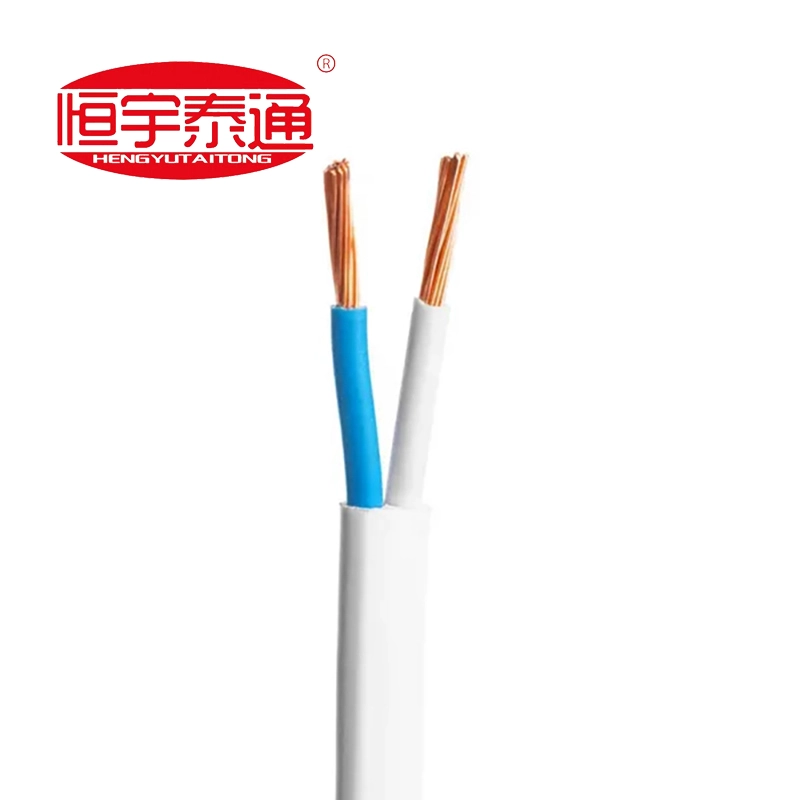
Understanding Conduit Requirements for Civil Installation Wires
Conduit is not always mandatory, but it is often the safest and most code-compliant option. The decision hinges on several factors, including wire insulation rating, exposure to moisture, physical protection needs, and the National Electrical Code (NEC) or local regulations.
Key Factors That Determine Whether Conduit Is Needed
| Factor | Conduit Required? | Explanation |
|---|---|---|
| Exposed indoor wiring | Often yes | Protects Civil Installation Wires from physical damage |
| Buried underground | Yes (or direct-burial rated) | Prevents moisture and soil damage |
| Concrete or masonry | Yes | Shields wires from abrasion and moisture |
| Cable trays or raceways | No | Approved raceways provide adequate protection |
| Direct-burial rated wire | No | Designed for underground use without conduit |
| Wet or damp locations | Yes | Conduit seals out water when properly installed |
| Temporary construction power | Yes | Protects Civil Installation Wires from impact and weather |
Types of Conduit Commonly Used with Civil Installation Wires
-
Rigid Metal Conduit (RMC): Heavy-duty protection for exposed and industrial areas.
-
Electrical Metallic Tubing (EMT): Lightweight and common in commercial buildings.
-
PVC Conduit: Corrosion-resistant and ideal for underground or wet locations.
-
Flexible Metal Conduit: Used where vibration or movement is present.
Taitong manufactures Civil Installation Wires that pair perfectly with these conduit systems, ensuring reliable performance and long service life.
When You Can Skip Conduit
Not every installation requires conduit. Direct-burial Civil Installation Wires, such as UF-B cable, can be buried without a conduit if they are rated for the purpose and installed at the proper depth. Similarly, wires inside walls, ceilings, or approved raceways may not need additional conduit if they are protected from damage. However, local codes always take precedence, so verify requirements with your inspector before proceeding.
Benefits of Running Civil Installation Wires in Conduit
-
Physical protection from impact, rodents, and abrasion
-
Moisture resistance in wet or underground environments
-
EMI shielding when using metal conduit
-
Easier future upgrades by pulling new wires through existing conduit
-
Code compliance in most commercial and industrial settings
Taitong recommends conduit in any environment where Civil Installation Wires face mechanical stress, moisture, or chemical exposure.
Civil Installation Wires FAQ
Q: Can Civil Installation Wires be installed without conduit underground?
A: Yes, but only if the wire is specifically rated for direct burial, such as UF-B, and installed at the depth required by local codes. Otherwise, conduit is mandatory to prevent moisture ingress and physical damage.
Q: What type of conduit is best for Civil Installation Wires in wet locations?
A: PVC conduit is the top choice for wet or underground applications because it resists corrosion and moisture. Metal conduit can be used but must include proper drainage and corrosion protection.
Q: How does conduit affect the ampacity of Civil Installation Wires?
A: Conduit can reduce heat dissipation, which may require derating the wire’s ampacity. Always consult NEC tables and adjust wire size accordingly when multiple Civil Installation Wires are bundled in one conduit.
Conclusion
Whether Civil Installation Wires need conduit depends on the environment, wire rating, and local code. In exposed, wet, or underground installations, conduit is usually required for safety and longevity. In protected or direct-burial applications, it may be optional. Taitong provides high-quality Civil Installation Wires and expert guidance to help you choose the right solution for every project.
Contact us today to discuss your wiring needs, request a quote, or learn more about how Taitong can support your next installation with reliable, code-compliant Civil Installation Wires.