

Can You Run Electric Wire and Ethernet in the Same Conduit
2025-12-23
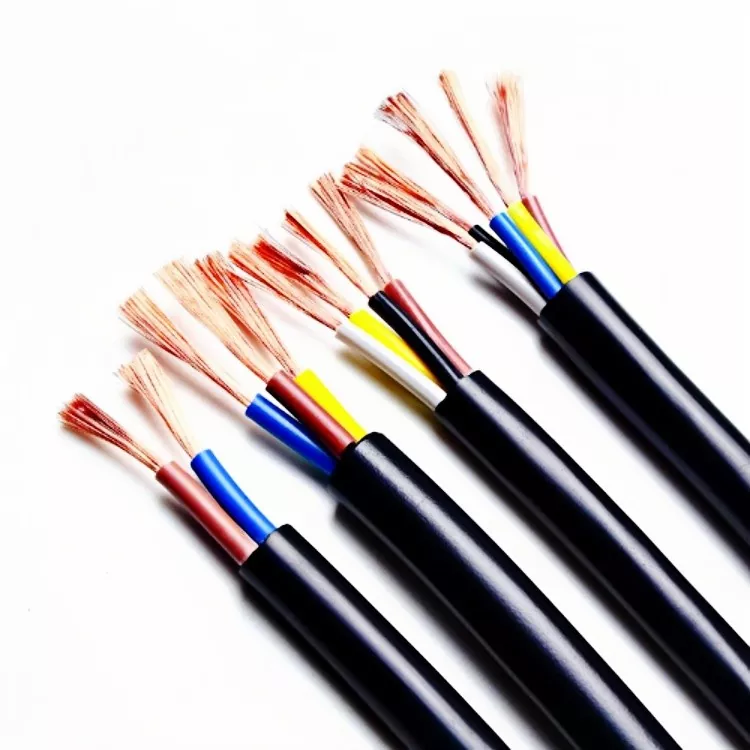
A common question we encounter at Yilan, your trusted partner for electrical solutions, is whether it's safe and permissible to run Electric Wire and Ethernet cable through the same conduit. This is a critical consideration for both home renovations and commercial installations where space and organization are priorities. The short answer is generally no, you should not mix them. Doing so can pose significant safety risks and cause performance interference. The National Electrical Code (NEC) provides clear guidelines to prevent high-voltage power from disrupting low-voltage data signals and to ensure overall system safety. At Yilan, we always prioritize code compliance and long-term reliability in every project we advise on or undertake.
Key Reasons to Keep Them Separate:
-
Safety Hazard: High-voltage Electric Wire can induce electromagnetic interference (EMI) in Ethernet cables, potentially causing data corruption, slow speeds, or total network failure.
-
Electrical Code Violation: The NEC typically prohibits low-voltage (Ethernet) and line-voltage (power) cables in the same conduit due to the risk of heat buildup and potential damage.
-
Future Troubleshooting: Separating the systems makes identification, repairs, and upgrades far simpler and safer.
Best Practices from Yilan Experts:
When planning your wiring, follow these professional guidelines:
-
Use Separate Conduits: This is the safest and most recommended method.
-
Maintain Safe Distance: If running in parallel, keep a minimum of 8-12 inches of separation.
-
Cross at Right Angles: If cables must cross, ensure they do so perpendicularly to minimize interference.
-
Opt for Shielded Cable: For Ethernet, consider using shielded twisted pair (STP) cable if some proximity is unavoidable.
Yilan's Electric Wire FAQ
Q: What is the main risk of running Ethernet alongside power lines?
A: The primary risk is Electromagnetic Interference (EMI). The alternating current in the Electric Wire creates a magnetic field that can induce unwanted noise in the Ethernet cable, severely degrading network performance and stability.
Q: Are there any exceptions to this rule?
A: Very few. Some specific cable types, like "power-limited" circuits or certain shielded composite cables listed for such use, may be an exception. However, these are specialty items and standard Electric Wire and Cat6/Cat6a Ethernet do not qualify. Always consult a Yilan professional.
Q: What conduit size should I use for multiple electric wires?
A: Conduit fill capacity is governed by NEC rules to prevent overheating. A general rule is that wires should not fill more than 40% of a conduit's interior area for new installations. The exact size depends on the wire gauge and number of conductors—our team at Yilan can provide precise calculations for your needs.
Preferred Wiring Methods Comparison Table
| Method | Description | Code Compliant? | Yilan Recommendation |
|---|---|---|---|
| Separate Conduits | Electric Wire and Ethernet run in entirely different raceways. | Yes | Highly Recommended. Ensures safety and optimal performance. |
| Separate Compartments | Using a divided conduit with an internal barrier. | Yes | Recommended. A good space-saving solution where approved. |
| Minimal Parallel Run | Cables run side-by-side but with significant air gap (8"+). | Conditionally | Acceptable with Caution. Maintain maximum distance. |
| Same Conduit | Both cables mixed in a single, unseparated raceway. | Typically No | Not Recommended. High risk of interference and code violation. |
In summary, while it may seem convenient, combining Electric Wire and Ethernet in the same conduit is a practice best avoided. The risks to your network's performance and, more importantly, to electrical safety are too great. For a system that is safe, reliable, and built to last, proper separation is key. Contact us at Yilan today for a professional assessment of your wiring project. Let our expertise ensure your power and data installations are efficient, compliant, and perfectly executed.