

Are You Choosing the Right Copper Braid for Reliable Power and Grounding Performance?
2026-02-26
When customers first come to us with overheating cables, unstable grounding, or premature connector failure, the conversation usually leads to one critical component that has been overlooked. Over the years, Dongguan Quande Electronics Co.,Ltd. gradually introduced more advanced production lines and testing systems as we focused on refining one essential product: Copper Braid. In my daily communication with engineers and procurement managers, I have seen how selecting the right Copper Braid can directly improve conductivity, flexibility, and long-term system reliability.
I do not see Copper Braid as a simple accessory. I see it as the hidden backbone of stable electrical performance. Whether used in grounding systems, flexible connectors, shielding assemblies, or battery packs, the structure and material quality behind each strand make a measurable difference.
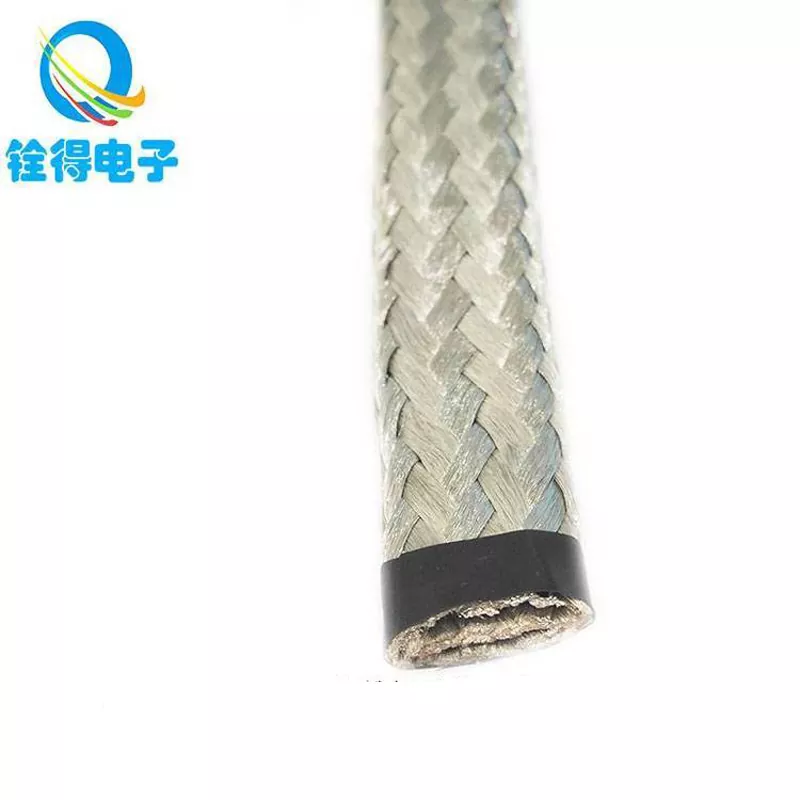
Why Does Copper Braid Matter More Than Many Engineers Expect?
Many buyers initially focus on cable size or terminal type, yet overlook the braided conductor that absorbs vibration, manages current, and prevents thermal stress. From my experience working with industrial, automotive, and renewable energy projects, Copper Braid solves several recurring problems:
- Reduces vibration stress in moving equipment
- Provides stable grounding in power distribution systems
- Improves electrical conductivity compared to rigid connectors
- Enhances flexibility in tight installation spaces
- Offers better heat dissipation under high current loads
When grounding fails or connectors crack under mechanical strain, downtime costs far exceed the price of a properly specified Copper Braid. That is why I always advise clients to evaluate braid density, strand diameter, and surface treatment rather than purchasing solely based on price.
What Problems Can High Quality Copper Braid Actually Solve?
In real project environments, performance challenges are rarely theoretical. They involve heat buildup, corrosion, limited installation space, and repeated mechanical movement. A well-manufactured Copper Braid addresses these pain points directly.
I have worked with customers who experienced the following issues before upgrading their braid specifications:
- Grounding straps overheating during peak current
- Oxidation reducing conductivity in humid environments
- Rigid connectors cracking due to vibration
- Shielding inefficiency causing signal interference
By switching to tinned or bare Copper Braid with optimized weaving density and high-purity copper strands, they improved system durability and reduced maintenance frequency.
How Do Material and Structure Influence Copper Braid Performance?
Not all braided conductors are equal. The performance of Copper Braid depends heavily on copper purity, strand count, weaving method, and surface finish.
| Factor | Impact on Performance | Why It Matters to You |
| Copper Purity | Higher conductivity and lower resistance | Reduces energy loss and heat generation |
| Strand Diameter | Flexibility and tensile strength | Improves durability in dynamic environments |
| Braid Density | Current carrying capacity | Ensures stable grounding under load |
| Tinned Surface | Oxidation resistance | Extends lifespan in humid or corrosive settings |
| Custom Width and Thickness | Installation compatibility | Optimizes fit in confined spaces |
When I discuss specifications with clients, I often ask about operating current, ambient temperature, and mechanical movement frequency. These details determine whether standard Copper Braid will suffice or whether a customized solution is required.
Where Is Copper Braid Most Effectively Applied?
Different industries rely on Copper Braid for different functional reasons. Based on our project experience, common applications include:
- Electrical grounding systems in buildings and substations
- Battery pack connections in electric vehicles
- Flexible busbar alternatives in switchgear
- Rail transit bonding connections
- Power distribution cabinets
- Welding equipment grounding
In each of these scenarios, flexibility and conductivity must coexist. Rigid copper bars conduct well but cannot absorb vibration. Cables are flexible but may lack structural stability in certain grounding designs. Copper Braid bridges this gap.
How Do I Evaluate the Right Supplier for Copper Braid?
When clients ask me what truly differentiates suppliers, I focus on production capability and quality control rather than marketing language. A reliable manufacturer should offer:
- Stable raw material sourcing with verified copper purity
- Consistent weaving density control
- Custom cutting, pressing, and terminal assembly services
- Electrical resistance testing before shipment
- Clear communication on technical parameters
I have seen how minor inconsistencies in weaving tension can lead to uneven current distribution. That is why process stability is essential when producing Copper Braid for industrial use.
Can Customized Copper Braid Improve Your Project Efficiency?
Standard dimensions work for general grounding, but custom Copper Braid often reduces installation time and improves reliability. Pre-pressed terminals, specific hole sizes, and tailored lengths eliminate on-site modification, which lowers labor costs and reduces connection errors.
From my experience, engineers appreciate receiving ready-to-install grounding straps rather than bulk braid rolls that require additional processing. It improves assembly speed and ensures electrical consistency.
Are You Ready to Upgrade Your Grounding and Connection Performance?
If you are dealing with overheating connectors, vibration fatigue, or inconsistent grounding performance, upgrading your Copper Braid specification may be the most practical solution. I believe in solving technical problems with transparent material data and production consistency rather than exaggerated claims.
If you would like to discuss your project requirements, current ratings, or customization needs, I invite you to contact us directly. Share your specifications, and we will provide technical guidance and a competitive quotation. Let us help you choose the right Copper Braid that ensures long-term reliability and performance.