
PCB Assembly Partners Worth Considering for Your Next Build
2026-11-28
Choosing the right assembly partner can make or break a PCB project, yet too many teams settle for whoever shows up first in a search. If you're planning your next build, a shortlist of reliable manufacturers matters more than a glossy quote. That's why we've put together a practical look at PCB assembly partners worth considering—including Sanjing, a name that keeps coming up for consistent turnaround and clear communication.
Certifications Tell Only Part of the Story
A certificate can confirm that someone passed an exam or completed a course, but it rarely captures how that knowledge holds up when a project goes sideways. Real judgment shows up in the unscripted moments: negotiating scope changes, calming a frustrated client, or deciding which corner to cut when the timeline tightens. Those decisions are not listed on any credential.
Plenty of certified professionals freeze when the textbook scenario stops matching the one in front of them. Others without formal credentials develop sharp instincts through trial, error, and sheer exposure to messy systems. That gap exists because tests measure recall and procedure far more easily than they measure curiosity, composure, or the ability to earn trust.
This does not make certifications worthless. They can signal baseline knowledge and discipline. The mistake is treating them as proof of mastery or as a shortcut around observing how someone actually works. A resume full of badges still needs a conversation that reveals what the person does when nobody has scripted the answer.
The DFM Feedback That Saves a Build
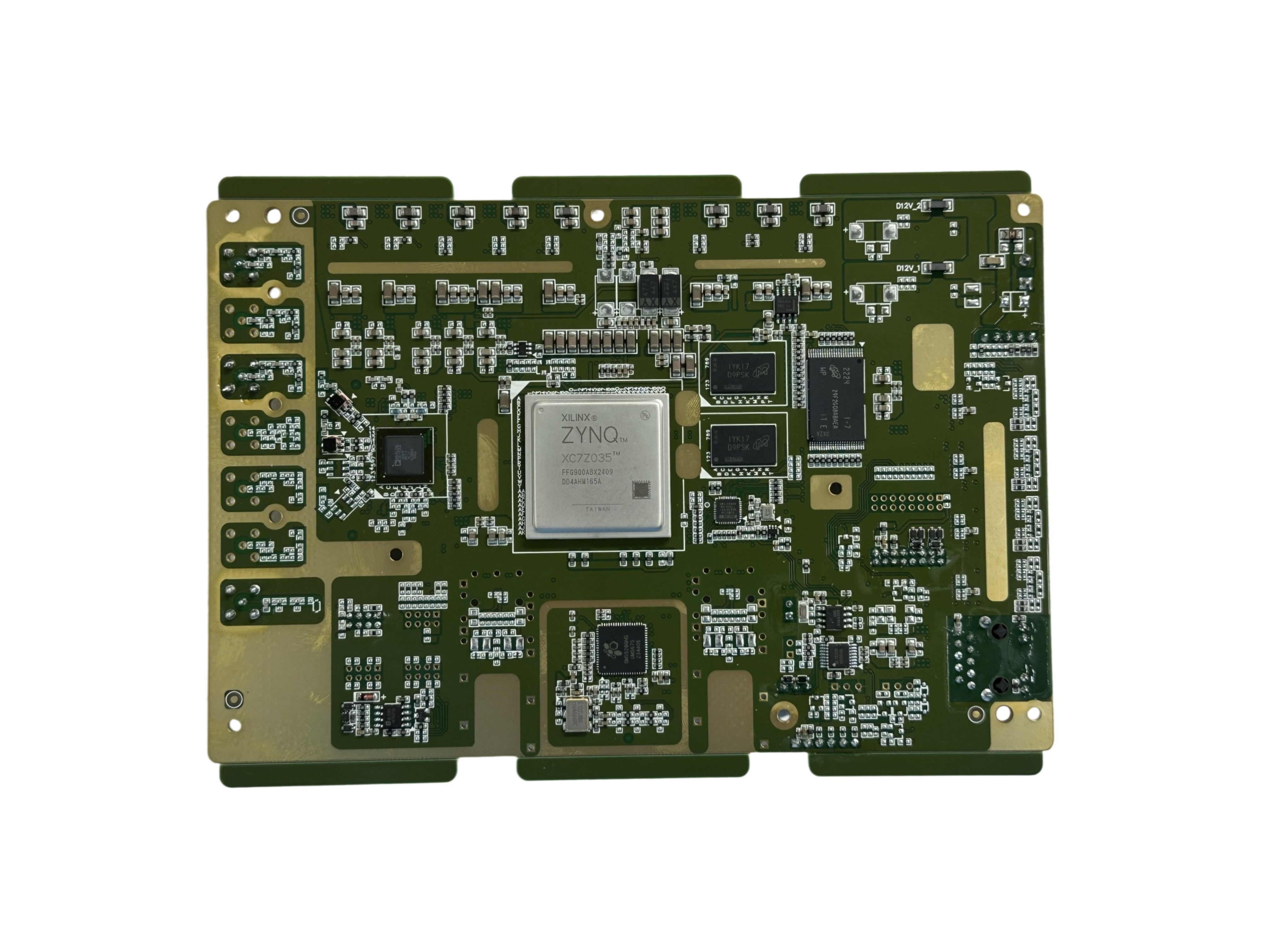
Most DFM flags are noise until one of them stops a board from becoming scrap. On a recent dense analog board, the note that mattered was not about copper pour or drill count. It was a one-line comment from the fabricator pointing out that a row of 0.4 mm pitch pads had no solder mask dam between them. Without that dam, the reflow oven would have bridged every other pin, and the first article would have failed before it reached the test bench.
That single note changed the conversation from design correctness to manufacturability. The layout engineer added a few mils of mask sliver, the fab approved the updated Gerbers, and the build stayed on schedule. It was not a formal DFM audit with a score. It was the kind of plain, shop-floor observation that only comes from someone who has watched solder flow across too many unguarded pads.
The builds that survive are usually protected by that kind of feedback early enough to matter. Once copper is committed and stencils are cut, the same note becomes a costly exception request. Before fabrication, it is just a small geometry change. The difference between those two moments is what separates a saved build from a delayed one.
Small Batches Without Big-Batch Headaches
Running a small batch used to mean accepting extra setup time, awkward leftovers, and constant stops between runs. It does not have to be that way anymore. With the right rhythm, short production runs can move through the same workflow without the usual friction. The trick is treating the changeover as part of the process rather than a pause in it. When switchovers are quick and repeatable, a small batch stops being a special request and starts being just another line on the schedule.
That shift changes what you can actually offer. Instead of locking in a large run and hoping demand matches, you can test a new formula, fill a narrow order, or keep inventory lean without tying up cash in stock that sits. The headaches people associate with big batches, such as warehousing, waste, and the risk of a full run coming out wrong, shrink because the stakes are smaller each time. You get more chances to adjust, and fewer expensive mistakes when something does go sideways.
When the Board Needs More Than Standard FR4
Standard FR4 handles everyday designs well enough, but it starts to show its limits once frequencies climb, thermal loads rise, or dimensional stability becomes critical. The resin system, glass weave, and moisture absorption that rarely matter on a simple control board can quietly distort signals or warp a substrate in demanding environments. Choosing a higher-performance laminate often has less to do with raw specs and more to do with avoiding margin loss in the field.
Materials such as polyimide, PTFE, ceramic-filled hydrocarbon, and low-CTE glass blends each solve different failure patterns. A polyimide board survives repeated thermal cycling and harsh assembly profiles, while low-loss PTFE keeps phase and amplitude stable in RF chains. Ceramic-filled options bridge the gap when heat dissipation and coefficient of thermal expansion need to move closer to that of copper or a bonded heatsink.
The practical shift usually begins with a simple question: which parameter is actually being sacrificed in the current stackup? Once that is identified, the laminate decision becomes easier to justify, and the board stops being a hidden source of compromise.
How the Best Shops Handle Change Requests
High-performing shops treat a change request as a signal, not a nuisance. Before anyone opens a new ticket, someone picks up the phone or walks over to the client's desk. They listen for the real trigger: a stakeholder changed their mind, a deadline moved, or a requirement surfaced late. Naming that trigger early keeps the revision from turning into a vague list of tweaks.
The most useful habit is translating the request into trade-offs. Instead of replying 'no problem' or 'we'll try,' they say what the change will cost in hours, what it might delay, and what the client should watch for. If the client says 'just add one field,' they respond with a one-line summary of the ripple: the form, the report, the test data. This makes the decision feel shared rather than imposed.
They also keep the paper trail remarkably light. A short note in the project thread usually beats a formal change order for small adjustments. Bigger shifts get a revised scope, but the best teams still lead with plain language: here's what we agreed, here's what's different now, here's what happens next. That rhythm keeps trust intact and prevents small changes from quietly expanding the job.
Repeat Orders Should Feel Smoother
A familiar order shouldn't require the same effort as a first-time purchase. When someone has already given their address, chosen a delivery window, and confirmed payment details, the next checkout should mostly be a quick confirmation rather than a fresh set of forms. Keeping saved preferences at the center of the flow removes small frictions that quietly push people away.
Small conveniences add up fast. Letting returning customers reorder from a simple history list, pre-filling their usual delivery instructions, or remembering how they paid last time makes the process feel less like a chore and more like a habit. The goal isn't to rush people through, but to respect the fact that they've already done this before.
The less mental effort a repeat purchase requires, the more likely it becomes part of someone's routine. Subtle prompts to reorder, clear shortcuts to past items, and a checkout that opens with the right defaults can turn an occasional buyer into a regular one without adding pressure.
FAQ
Focus on how they handle design file review, whether they flag potential manufacturability issues early, and their typical turnaround for prototype quantities. A good partner will ask about your testing plans and component sourcing preferences instead of just quoting a price.
It usually comes down to where you need flexibility. Local shops tend to be easier for quick design changes and low-volume builds, while overseas partners can reduce per-unit cost at scale. Factor in shipping time, import duties, and how easy it is to reach an engineer when something goes wrong.
Many smaller shops specialize in particular types of builds, so you need to ask for examples of similar work. Request photos or references for boards with comparable component density, and confirm they have the right inspection equipment such as AOI or X-ray if you are using BGAs.
Vague line items, slow responses during the quoting stage, no clear process for handling shortages, or unwillingness to share their quality control procedure. If they cannot explain how they handle a failed joint or a lifted pad, they are probably not the partner you want for a serious build.
If you have a trusted distributor relationship or specialized parts, consigned or partial turnkey can work. Otherwise, let the partner handle sourcing because they often have better pricing and can manage shortages. Just make sure they are transparent about where parts come from and avoid grey-market sourcing for critical components.
Very important, especially on early revisions. DFM feedback can catch issues like insufficient clearance, missing fiducials, or problematic pad sizes before they become costly rework. The best partners treat it as a normal part of the process rather than an added service.
At minimum, automated optical inspection and a final visual check. For denser boards, ask about X-ray inspection for hidden solder joints and whether they perform electrical testing beyond a simple continuity check. You should also know how they document and communicate any defects they find.
Yes, and the right one will treat the pilot run as a learning phase. They should offer feedback on yield, suggest small changes for mass production, and keep the same process settings you will use later. Avoid shops that push you straight into a large order without validating the first batch.
Conclusion
Certifications might look impressive on a supplier list, but they rarely reveal how a shop actually handles a complicated board. A more useful signal is the DFM feedback you receive before production starts. The best partners flag trace spacing issues, component footprints that will cause soldering problems, or thermal relief mistakes early enough to keep a prototype from turning into a debugging marathon. That same practical mindset matters for small-batch work. A shop that treats low-volume orders as a nuisance will nickel-and-dime you with setup fees or push your schedule aside, while a good partner keeps tooling and stencil costs reasonable and communicates realistic lead times.
Board materials are another area where experience shows. Once your design moves past standard FR4 into high-Tg laminates, aluminum-core boards, or RF materials like Rogers, you need a partner that understands how those substrates react to reflow profiles and mechanical stress. Change requests are equally telling. A supplier that updates BOMs, pick-and-place files, and assembly drawings without drama, and confirms exactly what changed, saves you from receiving boards that do not match the latest revision. Finally, repeat orders should not feel like starting from scratch. The right partner retains fixtures, stencils, and process notes, so subsequent runs ship faster and with fewer surprises. None of this shows up in a glossy brochure, but it is what makes a build smooth.
Contact Us
Contact Person: Zhi Zhou
Email: [email protected]
Tel/WhatsApp: 8618319494339
Website: https://www.sajznpcba.com/