
Dry-Type Transformer Supplier Guide: Key Factors for Industrial Power Solutions
2025-12-29
Navigating the complex world of dry-type transformers can be daunting for industrial power solutions. From efficiency ratings to safety standards, the right choice impacts your entire operation. In this guide, we’ll break down the key factors you need to consider, backed by insights from Lugao. Whether you’re upgrading existing systems or starting fresh, discover how to make informed decisions that enhance reliability and performance. Get ready to transform your approach to industrial power—let’s dive in.
Understanding the Core Components of Dry-Type Transformers
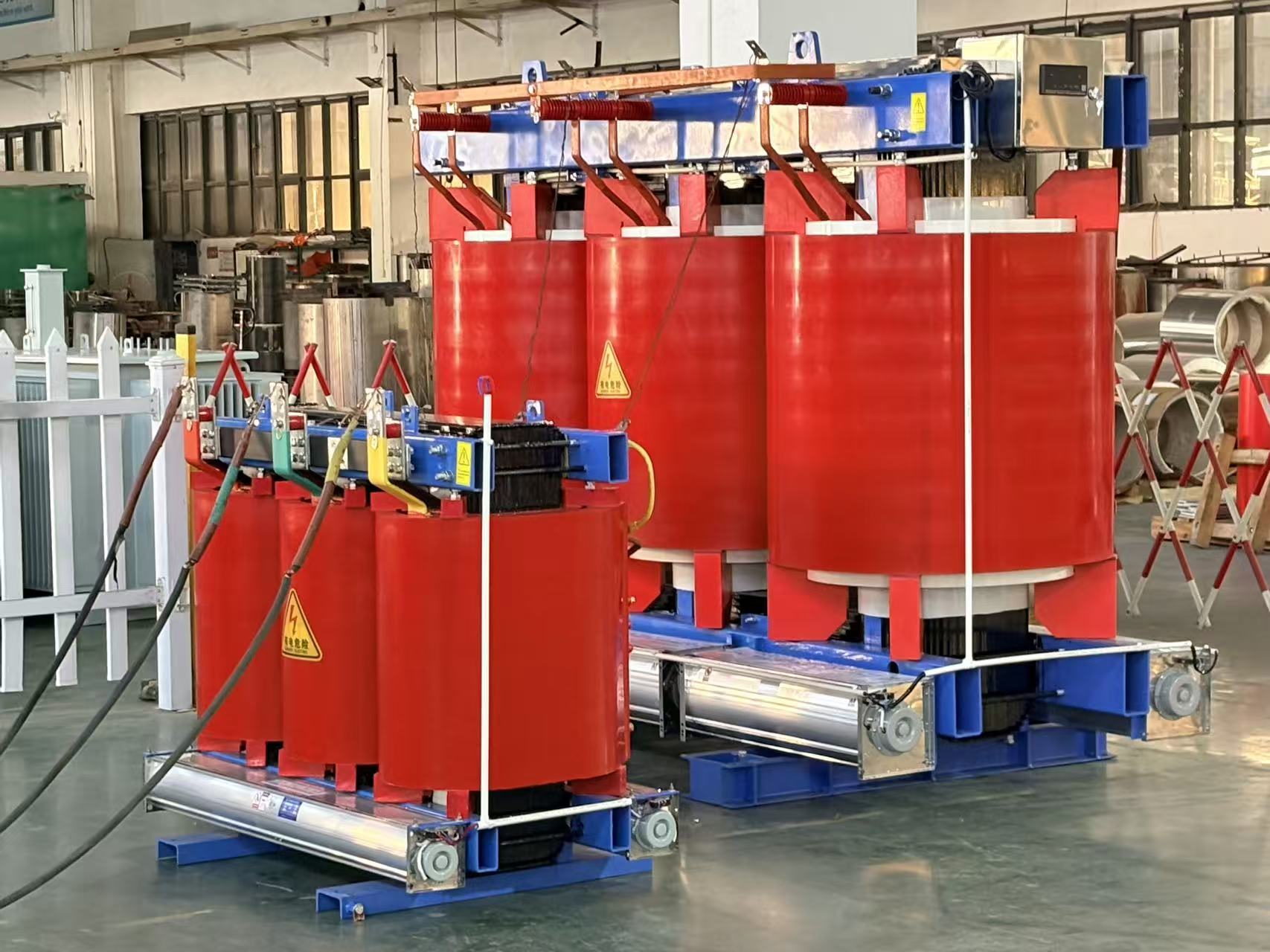
Dry-type transformers are electrical devices that operate without liquid cooling or insulation, relying on natural or forced air for heat dissipation. At their heart lies the core, typically made from laminated silicon steel sheets to minimize energy losses through eddy currents and hysteresis. This core design not only enhances efficiency but also reduces the transformer's overall weight and size, making it ideal for indoor installations where space is limited or ventilation is a concern. Proper core construction ensures reliable performance in diverse environments, from industrial settings to commercial buildings.
The windings, another critical component, are usually composed of copper or aluminum conductors wrapped around the core. Unlike oil-filled transformers, dry-type units feature windings insulated with materials such as epoxy resin or varnish, which provide excellent protection against moisture, dust, and corrosion. This insulation method allows for safer operation in areas with fire hazards or strict environmental regulations, as it eliminates the risk of oil leaks. Windings are engineered to handle specific voltage levels and loads, ensuring stable power transfer without compromising safety.
Additional elements like cooling fans, temperature sensors, and protective enclosures play vital roles in dry-type transformers. Cooling fans enhance heat dissipation during high-load conditions, preventing overheating and extending the transformer's lifespan. Integrated temperature sensors monitor operating conditions, triggering alarms or shutdowns if temperatures exceed safe limits. The enclosure, often made from galvanized steel or aluminum, shields internal components from physical damage and environmental factors, contributing to durability and low maintenance requirements. Together, these components form a robust system that delivers efficient, safe power distribution in modern electrical networks.
Selecting the Right Voltage and Capacity for Industrial Applications
When it comes to powering industrial machinery and systems, choosing the right voltage and capacity isn't just a technical decision—it's a cornerstone of operational efficiency and safety. In environments like manufacturing plants or data centers, mismatches can lead to equipment failures, costly downtime, or even safety hazards. For instance, opting for a voltage that's too low might cause motors to underperform, while excessive voltage can stress components prematurely. Similarly, capacity must align with peak demands to prevent overloads, ensuring smooth, uninterrupted processes. This initial assessment sets the stage for reliable performance across diverse industrial settings.
Diving deeper, selecting voltage and capacity involves balancing factors such as load requirements, environmental conditions, and future scalability. A common pitfall is overlooking dynamic loads; equipment like cranes or compressors may have fluctuating power needs, so it's wise to account for surge currents and worst-case scenarios. Moreover, in harsh industrial environments, such as those with high temperatures or corrosive elements, components may degrade faster, affecting both voltage stability and capacity over time. By conducting thorough load analyses and considering these variables, you can tailor your choices to enhance longevity and minimize maintenance disruptions.
Beyond technical specifications, the right voltage and capacity choices can drive cost savings and sustainability in industrial operations. Efficient power management reduces energy waste, lowering utility bills and aligning with green initiatives. For example, matching capacity to actual usage avoids oversizing, which can increase initial investment and ongoing expenses. Additionally, innovative solutions like variable frequency drives or smart grid integrations allow for adaptive voltage and capacity adjustments, boosting flexibility. Ultimately, a well-informed selection not only optimizes performance but also supports long-term economic and environmental goals, making it a strategic investment rather than a mere compliance step.
Key Safety and Maintenance Practices for Optimal Performance
Keeping your equipment running smoothly isn't just a matter of convenience; it's a direct line to peak safety and efficiency. Think of regular check-ups as preventive medicine for your machines, catching minor issues before they balloon into costly breakdowns or, worse, safety hazards. For instance, proper lubrication and bolt tightening might seem trivial, but they're the silent guardians against wear and tear that can lead to unexpected failures. A well-maintained system not only performs better and lasts longer but also creates a safer environment for everyone involved by minimizing risks like overheating or mechanical malfunctions.
Develop a routine that works for your specific setup. This could mean daily visual inspections for odd noises or leaks, weekly tests of emergency shut-offs, and monthly deep cleans of filters and vents. Don't just follow the manual blindly; tailor maintenance to your usage patterns—frequent use demands more attention, while occasional operation might need checks before each start. A proactive approach, like keeping a log of repairs and observations, helps spot trends and predict when parts might need replacing, turning maintenance from a reactive chore into a strategic advantage for reliability and safety.
Training users on basic safety steps is as crucial as any mechanical upkeep. Ensure everyone knows how to operate equipment correctly, recognize warning signs like unusual vibrations or smells, and respond calmly in emergencies. Simple practices, such as cleaning up spills immediately to prevent slips or keeping workspaces clutter-free, can drastically reduce accidents. By embedding these habits into daily operations, you foster a culture where optimal performance and safety go hand in hand, making the environment not only more productive but consistently secure.
Evaluating Energy Efficiency and Environmental Impact
Energy efficiency and its environmental impact form a critical nexus in today's quest for sustainability. By reducing energy consumption, we not only cut costs but also mitigate greenhouse gas emissions, directly addressing climate change concerns. From residential appliances to industrial processes, every watt saved translates into less strain on natural resources and a smaller carbon footprint.
When evaluating these factors, it's essential to look beyond mere numbers—consider how innovations like smart grids or passive building designs reshape our environmental legacy. This holistic approach reveals that efficiency isn't just about doing more with less; it's about fostering ecosystems where technology and nature coexist, enhancing air quality and preserving biodiversity for future generations.
Moreover, assessing the broader lifecycle impacts, from manufacturing to disposal, highlights hidden environmental costs. By prioritizing renewable integration and circular economy principles, we can craft energy strategies that truly resonate with planetary health, moving beyond temporary fixes to enduring solutions.
Assessing Supplier Expertise and Customization Options
Before you partner with a supply chain vendor, take a close look at their track record in your specific industry. It's not just about general experience—dive into case studies or portfolio projects that mirror your needs, whether you're in tech, healthcare, or consumer goods. A supplier who has navigated complex challenges similar to yours can offer invaluable insights and proactive solutions, potentially saving you time and resources in the long run.
Customization isn't just about ticking boxes on a list of features; it's about finding a partner who listens and adapts. Engage in detailed discussions to see if they can tailor products or services to match your unique workflows, budget constraints, and quality standards. The best suppliers will collaborate with you to co-create solutions that enhance efficiency and deliver a better end-user experience.
To stand out, evaluate their innovation capabilities—ask about their approach to evolving trends or new technologies in your field. A forward-thinking supplier not only offers customization today but anticipates future shifts, ensuring your partnership remains resilient and competitive. Look for evidence of flexibility, such as scalable options or ongoing support that evolves with your business goals.
Integrating Transformers into Modern Power Management Systems
Power management today demands more than just efficiency—it's about handling dynamic loads and integrating renewable sources seamlessly. Transformers, often seen as static components, are evolving with smart technologies to address these challenges head-on. By embedding sensors and communication modules, they now provide real-time data on voltage stability and energy flow, enabling grid operators to make informed decisions instantly, rather than relying on outdated models.
In renewable-heavy environments, transformers act as critical buffers, managing the intermittent output from solar and wind farms. Advanced control algorithms allow them to adjust tap settings on-the-fly, smoothing out fluctuations and preventing grid instability. This adaptability isn't just a technical upgrade; it's shifting how we view power distribution, from a rigid network to a responsive ecosystem that prioritizes resilience and sustainability.
Looking ahead, the integration of AI and machine learning with transformer systems opens new frontiers. Predictive maintenance, for instance, uses historical data to foresee potential failures, slashing downtime and costs. As these technologies mature, transformers will become even more integral to smart grids, quietly ensuring that power management keeps pace with our ever-changing energy needs.
FAQ
Key safety features include high-grade insulation materials, over-temperature protection systems, and UL/cUL certifications. Additionally, check for features like non-flammable designs and surge protection to ensure reliable operation in harsh environments.
Dry-type transformers often have slightly lower efficiency ratings than oil-filled ones, but they excel in safety and environmental benefits. For indoor applications or locations with fire risks, their non-toxic and maintenance-free operation can make them a more practical choice despite marginal efficiency differences.
Critical installation factors include adequate ventilation to prevent overheating, proper clearance distances for cooling, and stable mounting surfaces. Also, ensure the transformer's location avoids dust accumulation and humidity, which can degrade insulation over time.
Facilities often choose dry-type transformers for their enhanced safety—no flammable oils reduce fire risks. They're also more compact, require minimal maintenance, and are ideal for indoor installations where environmental regulations or space constraints are concerns.
High humidity can reduce insulation effectiveness, leading to potential failures, while extreme temperatures might cause overheating or reduced lifespan. Selecting models with appropriate IP ratings and temperature class ratings (e.g., H or F class) helps mitigate these issues in industrial applications.
Focus on power rating (kVA), voltage levels, impedance, and short-circuit withstand capabilities. Also, review efficiency standards like DOE 2016 or IEC 60076, and check for custom options such as tap changers or enclosures suited for specific industrial demands.
Yes, they can be customized with features like special windings for harmonic filtering, noise reduction enclosures for quiet operation, or enhanced cooling systems for high-load scenarios. Common modifications also include specific voltage taps and protective coatings for corrosive environments.
Conclusion
When navigating the selection of dry-type transformers for industrial power solutions, a comprehensive guide emphasizes understanding core components such as insulation and cooling systems, which ensure reliability in demanding environments. Key factors include selecting the appropriate voltage and capacity tailored to specific applications, balancing safety and maintenance practices for optimal performance. By evaluating energy efficiency and environmental impact, industries can align with sustainability goals while assessing supplier expertise and customization options to meet unique needs. Integrating these transformers into modern power management systems enhances overall operational efficiency and adaptability.
This approach transforms the supplier guide into a strategic tool, focusing on practical integration and long-term value rather than mere specifications. It highlights how well-chosen transformers contribute to resilient power networks, leveraging technological advancements to reduce downtime and energy waste. By prioritizing safety and efficiency, businesses can achieve enhanced performance and compliance, making informed decisions that drive industrial success and environmental stewardship.
Contact Us
Contact Person: Doreen
Email: [email protected]
Tel/WhatsApp: 8618057712366
Website: https://www.liugaopower.com/